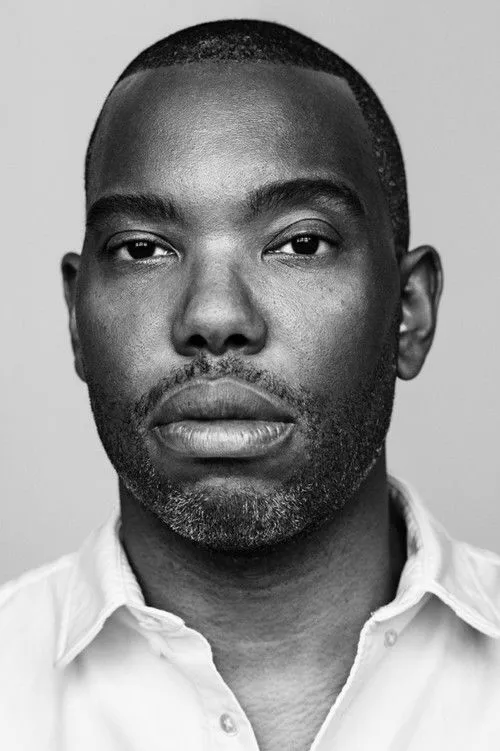
Age: 65
male
Aaron Benjamin Sorkin (born June 9, 1961) is an American screenwriter, playwright and film director. Born in New York City, he developed a passion for writing early on. As a writer for stage, television, and film, Sorkin is recognised for his trademark fast-paced dialogue and extended monologues, complemented by frequent use of the "walk and talk" storytelling technique. Sorkin has earned numerous accolades, including an Academy Award, a BAFTA Award, five Primetime Emmy Awards, and three Golden Globes. Sorkin rose to prominence as a writer-creator and showrunner of the television series Sports Night (1998–2000), The West Wing (1999–2006), Studio 60 on the Sunset Strip (2006–07), and The Newsroom (2012–14). He is also known for his work on Broadway, including the plays A Few Good Men (1989), The Farnsworth Invention (2007), To Kill a Mockingbird (2018), and the revival of Lerner and Loewe's musical Camelot (2023). He wrote the film screenplays for A Few Good Men (1992), The American President (1995), and several biopics, including Charlie Wilson's War (2007), Moneyball (2011), and Steve Jobs (2015). For writing The Social Network (2010), he won the Academy Award for Best Adapted Screenplay. He made his directorial film debut with Molly's Game (2017), followed by The Trial of the Chicago 7 (2020) and Being the Ricardos (2021). Description above from the Wikipedia article Aaron Sorkin, licensed under CC-BY-SA, full list of contributors on Wikipedia.
Aaron Sorkin

Writer
for Writer in Frederick Douglass: A Life of Struggle and Triumph
Suggested by kamsismith

In a world still grappling with issues of racial injustice, the story of Frederick Douglass, one of the most influential figures in American history, is more relevant than ever. Frederick Douglass: A Life of Struggle and Triumph is a gripping biographical miniseries that takes viewers on an unforgettable journey through the life of a man who transcended unimaginable obstacles to become a voice for freedom, equality, and human dignity. The miniseries, spanning six episodes, begins with Douglass's birth into slavery on a Maryland plantation in 1818 and follows his path to self-education, escape to freedom, and rise as an abolitionist leader, writer, orator, and statesman. As we witness Douglass’s powerful transformation—from an enslaved child yearning for freedom to a respected public figure who shaped the very fabric of American democracy—we explore the deep personal struggles that drove him and the bold choices that defined him.