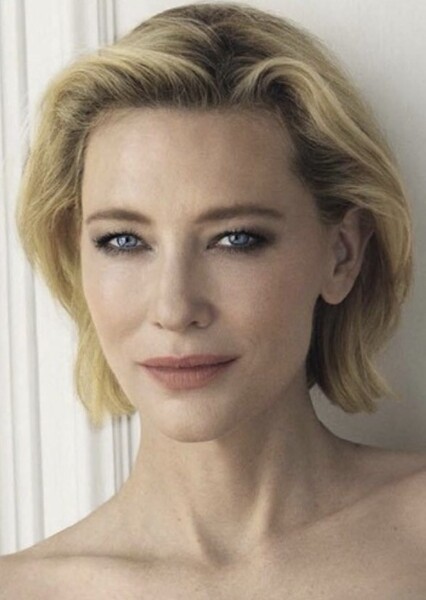
Age: 65
female
Katherine Matilda Swinton (born November 5, 1960) is an award-winning British actress of Scottish descent, known for her versatile roles in independent films and blockbusters. She is a recipient various accolades throughout her long career, including an Academy Award and two BAFTA Awards, in addition to being nominated for three Golden Globe Awards and five Screen Actors Guild Awards. Swinton began her career by appearing in experimental films starting with Caravaggio (1986), followed by The Last of England (1988), War Requiem (1989), and The Garden (1990). She won the Volpi Cup for Best Actress at the Venice Film Festival for her portrayal of Isabella of France in Edward II (1991). She next starred in Sally Potter's Orlando (1992), for which she received a nomination for the European Film Award for Best Actress. She was nominated for a Golden Globe Award for her performance in The Deep End (2001), and followed this with appearances in Vanilla Sky (2001), Adaptation (2002), Constantine (2005), Julia (2008), and I Am Love (2009). For the film Young Adam (2003), she won the British Academy Scotland Award for Best Actress. Her performance in Michael Clayton (2007) won her the Academy Award for Best Supporting Actress and the BAFTA Award for Best Actress in a Supporting Role. Additionally, she won the European Film Award for Best Actress and received a nomination for the BAFTA Award for Best Actress in a Leading Role for the psychological thriller We Need to Talk About Kevin (2011). Swinton has also played the White Witch in The Chronicles of Narnia series (2005–2010) and the Ancient One in the Marvel Cinematic Universe franchise. Swinton was awarded the Richard Harris Award by the British Independent Film Awards in recognition of her contributions to the British film industry. In 2013, she was given a special tribute by the Museum of Modern Art. In 2020, Swinton was awarded the British Film Institute Fellowship, the highest honour presented by the institution, for her "daringly eclectic and striking talents as a performer and film-maker and recognizes her great contribution to film culture, independent film exhibition and philanthropy." That same year, The New York Times ranked her thirteenth on its list of the greatest actors of the 21st century up to that point.
Tilda Swinton

Tigris Snow
for Tigris Snow in Finnick Odair Prequel
Suggested by user_350859
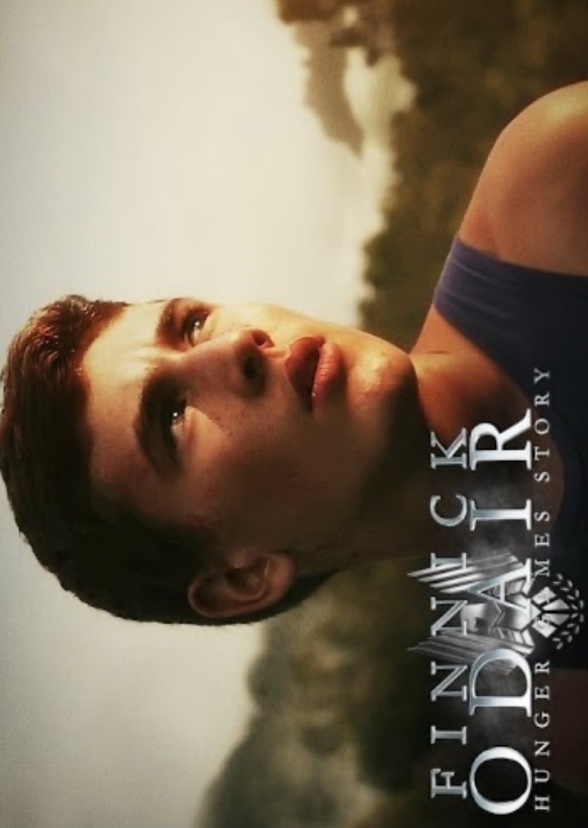
If Suzanne Collins continues her tradition of threes, a final Hunger Games prequel told from Finnick Odair’s perspective would be a natural, essential conclusion. With The Ballad of Songbirds and Snakes (Snow) and Sunrise on the Reaping (Haymitch), we’ve explored the roots of tyranny—Snow’s origin revealing how power corrupts through ambition and choice, and Sunrise showing how the Capitol enforces control through implicit submission. Though Haymitch won the second Quarter Quell in spectacular fashion, the Capitol censored his acts of rebellion, editing them from public view. Even readers, like the Capitol audience, once believed his Games were unremarkable. But rebellion existed long before Katniss. A Finnick novel could expand that truth. The youngest victor in history at just 14, Finnick was sold to Capitol elites, stripped of his family, and left with only Mags and Annie. Coming from a Career district, he likely trusted the Capitol at first—until survival taught him otherwise. His story would expose the grooming, commodification, and trauma inflicted on children in the name of entertainment—core themes rooted in Collins’s background in children’s media. Of all the victors, Finnick performs best—charming, smiling, and broken. His story would complete a trilogy not just of war, but of survival—and what it costs.