
Age: 65
male
Aaron Benjamin Sorkin (born June 9, 1961) is an American screenwriter, playwright and film director. Born in New York City, he developed a passion for writing early on. As a writer for stage, television, and film, Sorkin is recognised for his trademark fast-paced dialogue and extended monologues, complemented by frequent use of the "walk and talk" storytelling technique. Sorkin has earned numerous accolades, including an Academy Award, a BAFTA Award, five Primetime Emmy Awards, and three Golden Globes. Sorkin rose to prominence as a writer-creator and showrunner of the television series Sports Night (1998–2000), The West Wing (1999–2006), Studio 60 on the Sunset Strip (2006–07), and The Newsroom (2012–14). He is also known for his work on Broadway, including the plays A Few Good Men (1989), The Farnsworth Invention (2007), To Kill a Mockingbird (2018), and the revival of Lerner and Loewe's musical Camelot (2023). He wrote the film screenplays for A Few Good Men (1992), The American President (1995), and several biopics, including Charlie Wilson's War (2007), Moneyball (2011), and Steve Jobs (2015). For writing The Social Network (2010), he won the Academy Award for Best Adapted Screenplay. He made his directorial film debut with Molly's Game (2017), followed by The Trial of the Chicago 7 (2020) and Being the Ricardos (2021). Description above from the Wikipedia article Aaron Sorkin, licensed under CC-BY-SA, full list of contributors on Wikipedia.
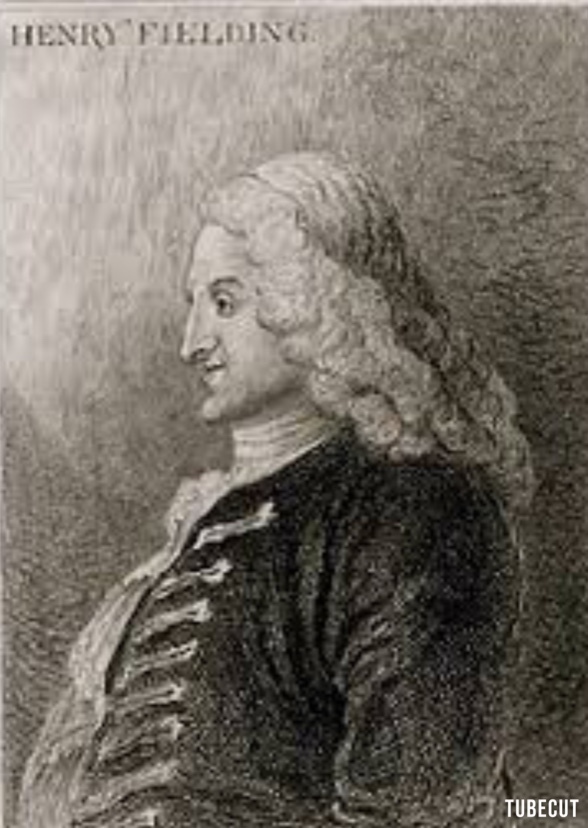
In an age of excess, corruption, and the clash of class systems, Henry Fielding emerges as both a moral crusader and an irreverent satirist, determined to expose society's flaws through his razor-sharp pen. "Fielding" is an immersive, gritty, and witty six-part miniseries that takes viewers into the chaotic world of 18th-century London, where politics, literature, and social upheaval collide. The show traces Fielding’s evolution from a young, ambitious man of privilege to a fiery writer who stands up for the marginalized. Starting as a lawyer and magistrate, Fielding navigates the corruption of the legal system, which propels him into a life of literary rebellion. He uses his pen as a weapon to critique a society rife with inequality, scandal, and hypocrisy—most famously in works like The History of Tom Jones, a Foundling, and Jonathan Wild. We follow Fielding's struggles and relationships, including his tumultuous marriage, his battle with alcoholism, his chronic health problems, and the inevitable loss of his fortune. As a writer, he is celebrated and vilified, often at odds with the establishment he seeks to critique. At the same time, Fielding’s passionate love for the theater, his friendships with other writers (like Samuel Johnson), and his complex political leanings—torn between Whig and Tory ideologies—highlight his unshakable desire for reform in all areas of life.


