
Age: 57
male
Wesley Wales Anderson (born May 1, 1969) is an American filmmaker. His films are known for their symmetry, eccentricity and distinctive visual and narrative styles, and he is cited by some critics as a modern-day example of the auteur. Three of his films, The Royal Tenenbaums (2001), Moonrise Kingdom (2012), and The Grand Budapest Hotel (2014) appeared in BBC Culture's 2016 poll of the greatest films since 2000. Anderson was nominated for the Academy Award for Best Original Screenplay for The Royal Tenenbaums (2001), Moonrise Kingdom (2012) and The Grand Budapest Hotel (2014), as well as the Academy Award for Best Animated Feature for the stop-motion films Fantastic Mr. Fox (2009) and Isle of Dogs (2018). With The Grand Budapest Hotel, he received his first Academy Award nominations for Best Director and Best Picture, and won the Golden Globe Award for Best Motion Picture – Musical or Comedy and the BAFTA Award for Best Original Screenplay. He currently runs the production company American Empirical Pictures, which he founded in 1998. He won the Silver Bear for Best Director for Isle of Dogs in 2018.
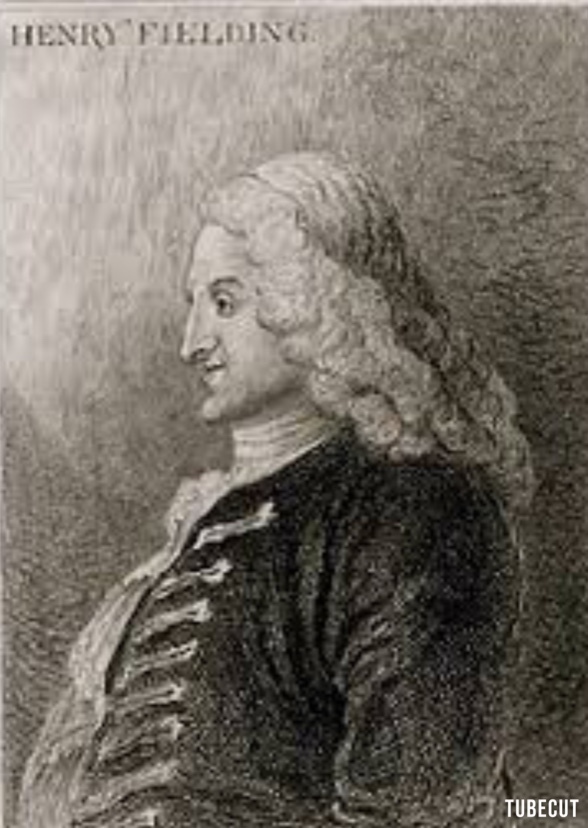
In an age of excess, corruption, and the clash of class systems, Henry Fielding emerges as both a moral crusader and an irreverent satirist, determined to expose society's flaws through his razor-sharp pen. "Fielding" is an immersive, gritty, and witty six-part miniseries that takes viewers into the chaotic world of 18th-century London, where politics, literature, and social upheaval collide. The show traces Fielding’s evolution from a young, ambitious man of privilege to a fiery writer who stands up for the marginalized. Starting as a lawyer and magistrate, Fielding navigates the corruption of the legal system, which propels him into a life of literary rebellion. He uses his pen as a weapon to critique a society rife with inequality, scandal, and hypocrisy—most famously in works like The History of Tom Jones, a Foundling, and Jonathan Wild. We follow Fielding's struggles and relationships, including his tumultuous marriage, his battle with alcoholism, his chronic health problems, and the inevitable loss of his fortune. As a writer, he is celebrated and vilified, often at odds with the establishment he seeks to critique. At the same time, Fielding’s passionate love for the theater, his friendships with other writers (like Samuel Johnson), and his complex political leanings—torn between Whig and Tory ideologies—highlight his unshakable desire for reform in all areas of life.


