
Crocodiles (subfamily Crocodylinae) or true crocodiles are large semiaquatic reptiles that live throughout the tropics in Africa, Asia, the Americas and Australia. Crocodylinae, all of whose members are considered true crocodiles, is classified as a biological subfamily. A broader sense of the term crocodile, Crocodylidae (which includes Tomistoma), is not used in this article. The term crocodile here applies to only the species within the subfamily of Crocodylinae. The term is sometimes used even more loosely to include all extant members of the order Crocodilia, which includes the alligators and caimans (family Alligatoridae), the gharial and false gharial (family Gavialidae), and all other living and fossil Crocodylomorpha. Although they appear similar, crocodiles, alligators and the gharial belong to separate biological families. The gharial, with its narrow snout, is easier to distinguish, while morphological differences are more difficult to spot in crocodiles and alligators. The most obvious external differences are visible in the head, with crocodiles having narrower and longer heads, with a more V-shaped than a U-shaped snout compared to alligators and caimans. Another obvious trait is that the upper and lower jaws of the crocodiles are the same width, and the teeth in the lower jaw fall along the edge or outside the upper jaw when the mouth is closed; therefore, all teeth are visible, unlike an alligator, which possesses in the upper jaw small depressions into which the lower teeth fit. Also, when the crocodile's mouth is closed, the large fourth tooth in the lower jaw fits into a constriction in the upper jaw. For hard-to-distinguish specimens, the protruding tooth is the most reliable feature to define the species' family.[1] Crocodiles have more webbing on the toes of the hind feet and can better tolerate saltwater due to specialized salt glands for filtering out salt, which are present, but non-functioning, in alligators. Another trait that separates crocodiles from other crocodilians is their much higher levels of aggression.[2] Crocodile size, morphology, behaviour and ecology differ somewhat among species. However, they have many similarities in these areas as well. All crocodiles are semiaquatic and tend to congregate in freshwater habitats such as rivers, lakes, wetlands and sometimes in brackish water and saltwater. They are carnivorous animals, feeding mostly on vertebrates such as fish, reptiles, birds and mammals, and sometimes on invertebrates such as molluscs and crustaceans, depending on species and age. All crocodiles are tropical species that, unlike alligators, are very sensitive to cold. They separated from other crocodilians during the Eocene epoch, about 55 million years ago.[3] Many species are at the risk of extinction, some being classified as critically endangered.
Crocodile

Fauna of Noah Island
for Fauna of Noah Island in Noah Island
Suggested by toonking1985
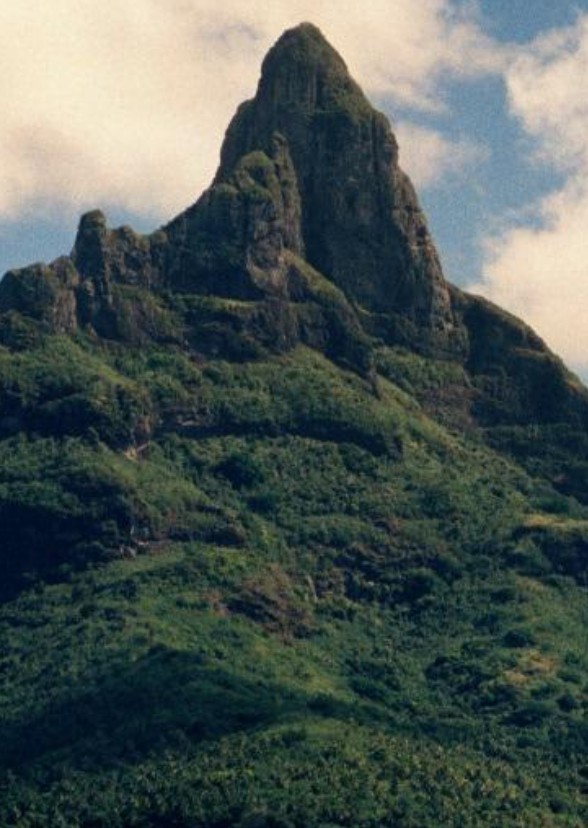
For those who don't know what this is about I have this idea that in a mid-credit scene of my MonsterVerse Son of Godzilla movie idea we see that Monarch set up an outpost on an uncharted island somewhere in French Polynesia where in the heart of the island in a lake there is a passage way in the lake that leads to Godzilla's underwater temple in the Japan Trench and I would imagine that Minya (and maybe Godzilla) would go through that passageway and spend time on the island when he is not rejuvenating so Monarch setted up an Outpost on the island to preserve and study Minya. Now the fauna of the island is made up of different kinds of animals that wouldn't exist together in the same place (just like in Swiss Family Robinson) and the best way I can describe the wildlife on the island is that it's like someone released a bunch of zoo or circus animals on the island. Minya would be something of guardian and protector of the island as he looks after and takes care of the animals of the island which could help him learn to become a future protector and king of the Titans once Godzilla's time comes.




