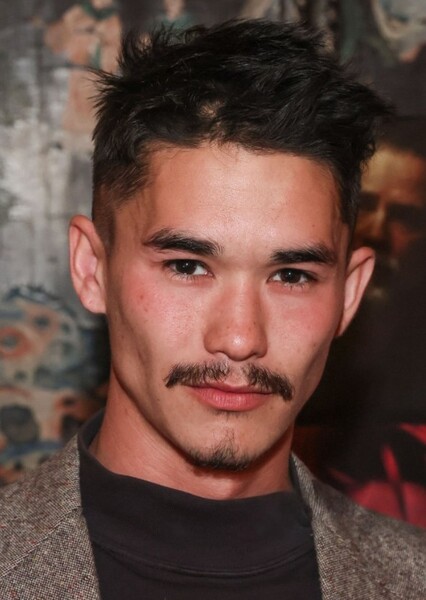
Age: 34
male
Avan Tudor Jogia (/ˈævən ˈdʒoʊɡiə/; born February 9, 1992) is a Canadian actor, singer, author and director. He first received recognition for portraying Danny Araujo in the television film A Girl Like Me: The Gwen Araujo Story (2006). After moving to the United States in his late teens, he landed various television roles on television series such as Caprica (2009–2010) and, famously, Victorious (2010–2013). Jogia rose to mainstream prominence for his roles as Danny Desai in the drama series Twisted (2013), Tutankhamun in the miniseries Tut (2015), Roman Mercer in the paranormal action series Ghost Wars (2017–2018) and Ulysses Zane in the comedy series Now Apocalypse (2019). Numerous credits in television and cinema include Spectacular! (2009), Finding Hope Now (2010), Rags (2012), Ten Thousand Saints (2015), I Am Michael (2015) and Zombieland: Double Tap (2019). His directorial debut came in 2011 with the short film Alex. He stars as Leon S. Kennedy in the 2021 film Resident Evil: Welcome to Raccoon City. In 2011, Jogia co-founded the LGBT online organisation Straight But Not Narrow, which seeks to shape the viewpoints of teenagers and adults on matters related to the LGBT community. In 2019, he published his first book, Mixed Feelings, a series of short stories and poems about multiracial identity. He hand-painted all the illustrations in the book. His second book of poetry, "Autopsy (Of an Ex-Teen Heartthrob): Poems of Love, Rage, Sex and Sadness", was released on February 11, 2025. Jogia and his brother Ketan make up the band Saint Ivory. They released an album to complement the book, also titled Mixed Feelings. Jogia plays guitar, piano, and accordion, as well as sings. Description above from the Wikipedia article Avan Jogia, licensed under CC-BY-SA, full list of contributors on Wikipedia.
Avan Jogia

Male Uyghur Victim Of The CCP
for Male Uyghur Victim Of The CCP in Falun Gong In The Century
Suggested by martinbing

This People Are Try To Fight Thier Right Against the Communists .Falun Gong is a modern qigong discipline combining slow-moving exercises and meditation with a moral philosophy. It was founded by Li Hongzhi, who introduced it to the public in May 1992 in Changchun, Jilin.On 20 July 1999, security forces abducted and detained thousands of Falun Gong practitioners who they identified as leaders.[95] Two days later, on 22 July, the PRC Ministry of Civil Affairs outlawed the Falun Dafa Research Society as an illegal organization that was "engaged in illegal activities, advocating superstition and spreading fallacies, hoodwinking people, inciting and creating disturbances, and jeopardizing social stability".[154][155] The same day, the Ministry of Public Security issued a circular forbidding citizens from practicing Falun Gong in groups, possessing Falun Gong's teachings, displaying Falun Gong banners or symbols, or protesting against the ban.[142] The aim of the ensuing campaign was to "eradicate" the group through a combination of means which included the publication and distribution of propaganda which denounced it and the imprisonment and coercive thought reform of its practitioners, sometimes resulting in deaths. In October 1999, four months after the imposition of the ban, legislation was passed in order to outlaw "heterodox religions" and sentence Falun Gong devotees to prison terms