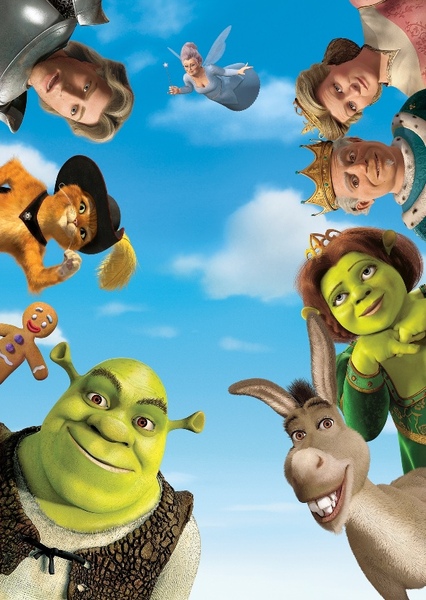
Computer animation is the process used for digitally generating animated images. The more general term computer-generated imagery (CGI) encompasses both static scenes and dynamic images, while computer animation only refers to moving images. Modern computer animation usually uses 3D computer graphics to generate a three-dimensional picture. Sometimes, the target of the animation is the computer itself, but sometimes film as well. Computer animation is essentially a digital successor to stop motion techniques, but using 3D models, and traditional animation techniques using frame-by-frame animation of 2D illustrations. Computer-generated animations can also allow a single graphic artist to produce such content without the use of actors, expensive set pieces, or props. To create the illusion of movement, an image is displayed on the computer monitor and repeatedly replaced by a new image that is similar to it but advanced slightly in time (usually at a rate of 24, 25, or 30 frames/second). This technique is identical to how the illusion of movement is achieved with television and motion pictures. For 3D animations, objects (models) are built on the computer monitor (modeled) and 3D figures are rigged with a virtual skeleton. Then the limbs, eyes, mouth, clothes, etc. of the figure are moved by the animator on key frames. The differences in appearance between key frames are automatically calculated by the computer in a process known as tweening or morphing. Finally, the animation is rendered.[1] For 3D animations, all frames must be rendered after the modeling is complete. For pre-recorded presentations, the rendered frames are transferred to a different format or medium, like digital video. The frames may also be rendered in real time as they are presented to the end-user audience. Low bandwidth animations transmitted via the internet (e.g. Adobe Flash, X3D) often use software on the end-user's computer to render in real time as an alternative to streaming or pre-loaded high bandwidth animations.
Once upon a time, in the far-off land of Far Far Away, Shrek resided with his wife, Fiona, and their children in their swamp. However, everything took a dramatic turn when Shrek stumbled upon a shocking revelation: the emperor was having an affair with his wife and was destroying Princess Pea’s castle blinded by rage. With the cost of rebuilding the castle ranging from a modest repair of over 50,000 gold coins to a full majestic restoration requiring 1,000 gold coins, Shrek has no choice but to join the Fairy Tale Agency (FTA), a agency group known for its audacious and wild heists.



