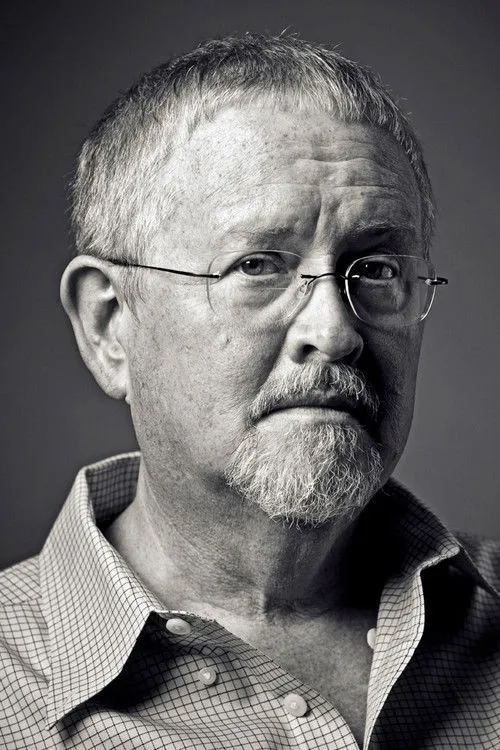
Age: 75
male
Orson Scott Card (born August 24, 1951) is an American writer known best for his science fiction works. As of 2024, he is the only person to have won a Hugo Award and a Nebula Award in consecutive years, winning both awards for his novel Ender's Game (1985) and its sequel Speaker for the Dead (1986). A feature film adaptation of Ender's Game, which Card coproduced, was released in 2013. Card also wrote the Locus Fantasy Award-winning series The Tales of Alvin Maker (1987–2003). Card's fiction often features characters with exceptional gifts who make difficult choices with high stakes. Card has also written political, religious, and social commentary in his columns and other writing; his opposition to homosexuality has provoked public criticism. Card, who is a great-great-grandson of Brigham Young, was born in Richland, Washington, and grew up in Utah and California. While he was a student at Brigham Young University (BYU), his plays were performed on stage. He served in Brazil as a missionary for the Church of Jesus Christ of Latter-day Saints (LDS Church) and headed a community theater for two summers. Card had 27 short stories published between 1978 and 1979, and he won the John W. Campbell Award for best new writer in 1978. He earned a master's degree in English from the University of Utah in 1981 and wrote novels in science fiction, fantasy, nonfiction, and historical fiction genres starting in 1979. Card continued to write prolifically, and he has published over 50 novels and 45 short stories. Card teaches English at Southern Virginia University; he has written two books on creative writing and serves as a judge in the Writers of the Future contest. He has taught many successful writers at his "literary boot camps". Description above from the Wikipedia article Orson Scott Card, licensed under CC-BY-SA, full list of contributors on Wikipedia.
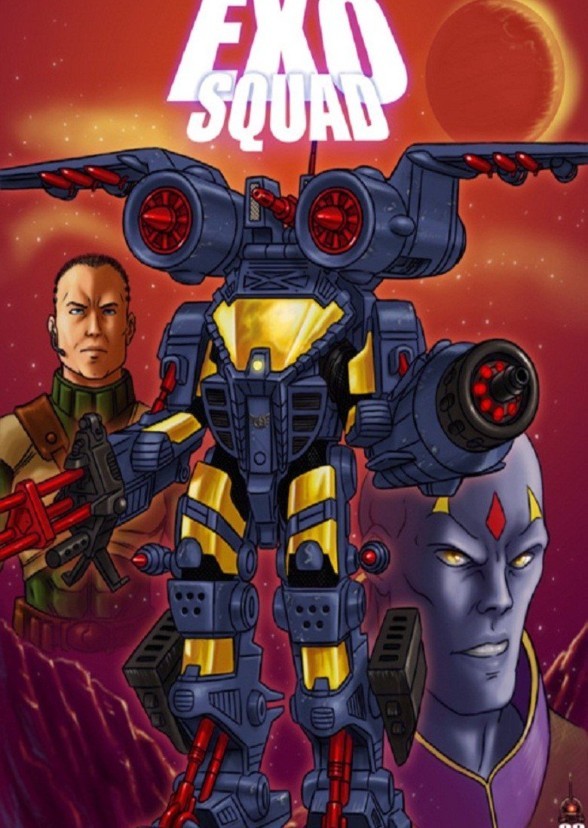
In the years 2121 AD, several decades after humanity ("Terrans") has expanded its presence beyond Earth, terraforming and colonizing Venus and Mars. These three planets are "the Homeworlds", the core first of the Terran interplanetary state and later of Neosapien Commonwealth. Not all Terrans are affiliated with the Homeworlds, however: the Pirate Clans, descendants of Terran criminals exiled to the Outer Planets who live off looted Homeworlds' space freighters, are a major independent faction. The Earth Congress dispatches the entire Exofleet, humanity's space-based military, to counter the Pirate threat. With a war with the Pirate Clans looming, an uprising begins among the Neosapiens, an artificial humanoid race coexisting with Terrans. The Neosapiens were used primarily as slaves during the colonization of Mars and Venus and therefore have been engineered to be physically stronger and better adapted to hostile environments than humans. Their mistreatment by Terrans led to the First Neosapien Revolt fifty years earlier, which was mercilessly crushed but had brought some positive changes into their lives. Still not content with his fate, the Neosapien Governor of Mars, Phaeton, sets a new insurrection, codenamed "Operation [Neosapien] Destiny", in motion as soon as the Exofleet leaves to chase after the Pirate Clans. The absence of the Exofleet is also a part of Phaeton's plan as it enables the Neosapiens' capture of the Homeworlds without much effort.