
Age: 75
male
Stephen Harold Tobolowsky is an American character actor. He is known for film roles such as insurance agent Ned Ryerson in Groundhog Day and amnesiac Sammy Jankis in Memento, as well as such television characters as Commissioner Hugo Jarry in Deadwood, Bob Bishop in Heroes, Sandy Ryerson in Glee, Stu Beggs in Californication and White Famous, "Action" Jack Barker in Silicon Valley, Dr. Leslie Berkowitz in One Day at a Time, Principal Earl Ball in The Goldbergs, and Dr. Schulman in The Mindy Project. Tobolowsky was born on May 30, 1951, in Dallas, Texas. He studied geology at Southern Methodist University but switched to theater after being cast in a production of "The Crucible." He later attended the University of Illinois at Urbana-Champaign, where he graduated with a degree in drama. Tobolowsky began his acting career in the early 1980s, appearing in films such as The Philadelphia Experiment (1984), Nobody's Fool (1986), and Spaceballs (1987). He also had a recurring role on the television series Seinfeld (1989-1998). Tobolowsky's breakthrough role came in 1993, when he played Ned Ryerson in the comedy Groundhog Day. His performance in the film was critically acclaimed, and he has since become one of the most recognizable character actors in Hollywood. Tobolowsky has continued to work steadily in film and television over the years. He has appeared in numerous other films, including Memento (2000), Mulholland Drive (2001), and The Informant! (2009). He has also had recurring roles on the television series Deadwood (2004-2006), Heroes (2006-2007), Californication (2007-2014), and Silicon Valley (2014-2019). In addition to his acting career, Tobolowsky is also a writer and a podcaster. He has written two books, The Dangerous Animals Club (2002) and The Tobolowsky Files (2017). He also hosts the podcast The Tobolowsky Files, in which he tells stories about his life and career.
Stephen Tobolowsky

Producer / Record Exec
for Producer / Record Exec in Eric Carmen: The Maestro of Pop (2026 Biopic)
Suggested by kaueoliveira
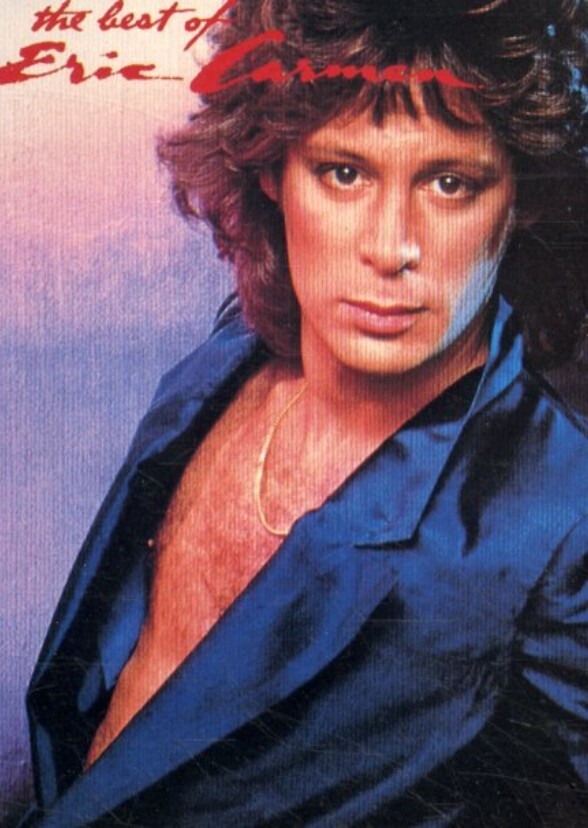
The film, "Eric Carmen: The Maestro of Pop," traces the dramatic career arc of the gifted singer-songwriter who sought to bridge the gap between garage rock energy and orchestral composition. Beginning in the early 1970s in Cleveland, the story follows the formation and explosive rise of The Raspberries, the "Power Pop" band that, despite huge success with catchy, rebellious hits like "Go All the Way," struggled with an identity crisis. The clean-cut image and pop label clashed with Carmen’s serious musical ambitions, leading to intense internal friction, critical dismissal, and the band's bitter dissolution at the height of their fame. Forced to reinvent himself, the second act focuses on Carmen's risky and deeply personal pivot to a solo career marked by ambitious, dramatic, orchestral-pop ballads. Betting his entire future on songs like "All By Myself"—a piece critics initially found overblown—the film explores the profound vulnerability required to merge high art (Rachmaninoff) with pop songwriting, establishing himself as a serious composer rather than just a pop star. The story culminates in a meditation on his enduring legacy, highlighted by his 1980s resurgence with massive soundtrack hits like "Hungry Eyes," solidifying his status as a complex, emotive, and quietly influential master of the pop ballad, whose struggles ultimately led to his greatest artistic triumphs.

