
Age: 80
male
Brian Denis Cox (born June 1, 1946) is a Scottish actor. A classically trained Shakespearean actor, he is known for his work on stage and screen. His numerous accolades include two Laurence Olivier Awards, a Primetime Emmy Award, and a Golden Globe Award, as well as a nomination for a British Academy Television Award. In 2003, he was appointed to the Order of the British Empire at the rank of Commander. Cox trained at the Dundee Repertory Theatre before becoming a founding member of the Royal Lyceum Theatre. He went on to train as a Shakespearean actor, starring in numerous productions with the Royal National Theatre and the Royal Shakespeare Company, where he gained recognition for his portrayal of King Lear. Cox received two Laurence Olivier Awards for Best Actor for his roles in Rat in the Skull (1984), for Royal Court, and Titus Andronicus (1988). He received two more Olivier Award nominations for Misalliance (1986) and Fashion (1988). Known as a character actor in film, he played Robert McKee in Spike Jonze's Adaptation (2002) and William Stryker in X2 (2003). For his starring role in L.I.E. (2001), he received an Independent Spirit Award nomination. His other notable films include Manhunter (1986), Iron Will (1994), Braveheart (1995), The Boxer (1997), The Rookie (2002), Troy (2004), Match Point (2005), The Water Horse: Legend of the Deep (2007), Coriolanus (2011), Pixels (2015), and Churchill (2017). Cox won the Primetime Emmy Award for Best Supporting Actor in a Limited Series for his portrayal of Hermann Göring in the television film Nuremberg (2001). The following year, he guest starred on the NBC sitcom Frasier, earning his second Emmy nomination in 2002. He portrayed Jack Langrishe in the HBO series Deadwood. He starred as Logan Roy on the HBO series Succession (2018-2023), for which he won the Golden Globe Award for Best Actor in a Drama Series and was nominated for three Primetime Emmy Awards for Best Actor in a Drama Series.
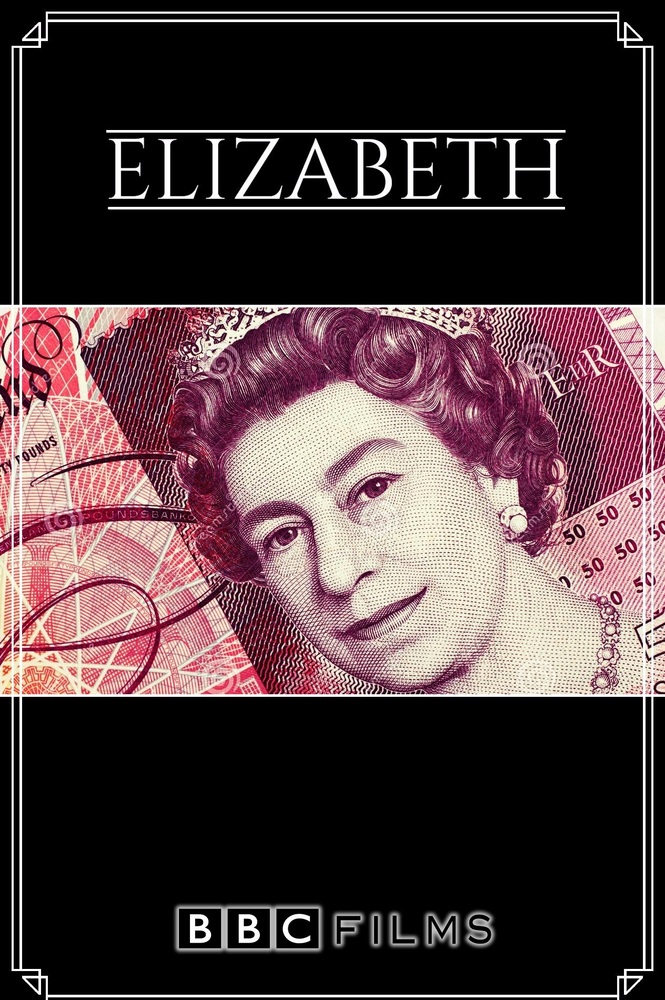
A biopic about Queen Elizabeth II. The film is split into four chapters. The first chapter, titled "The Childhood", focuses on her grandfather's (King George V) death, and her uncle's (Edward VIII) extremely short reign as King due to his abdication crisis. The chapter also follows Elizabeth's father, George VI, becoming the new King, and her childhood during World War II. The second chapter, titled "The Coronation", begins with Elizabeth's and Phillip's wedding. The birth of their children, Charles and Anne, is also addressed. The majority of the chapter focuses on Elizabeth's father's sudden death and her accession of the throne. Elizabeth became Queen Elizabeth II and continued turning the British Empire into the Commonwealth of Nations. The third chapter, titled "The Mother", fast-forwards nearly thirty years. It is 1981, and Queen Elizabeth II survives an attempted assassination while attending the Trooping the Colour ceremony. The chapter focuses mainly on her son, Prince Charles, and Lady Diana Spencer's wedding. Her grandchildren's (William and Henry) births are also addressed. The chapter also focuses on the Queen's anxious period while her other son, Prince Andrew, served in the Falklands War. Other small things like the intruder in her Buckingham Palace bedroom and her meeting with Ronald Reagan are also addressed. The final chapter, titled "The Death", is an entire chapter focusing on the death of Princess Diana in 1997. In December of 1996, Prince Charles and Diana formally separated. The Queen and her family where criticized for "outing" Diana from the family. In August 1997, Diana was killed in a car crash in Paris. During this time The Queen was on vacation in Balmoral. The Queen and Phillip took the grandchildren, William and Henry, to church the following morning and then kept them away from the public inside the Balmoral Castle for five days. Her Majesty's Government seemed to no pay no attention to the horrific incident, not even lowering the flag to half-mast. The Queen returned to Buckingham palace the day before Diana's funeral to address the people. After her address, most of the public's hostility evaporated. The film ends with the Royal Family standing behind The Queen while she addresses her people on her Golden Jubilee in 2002.




