Age: 46
male
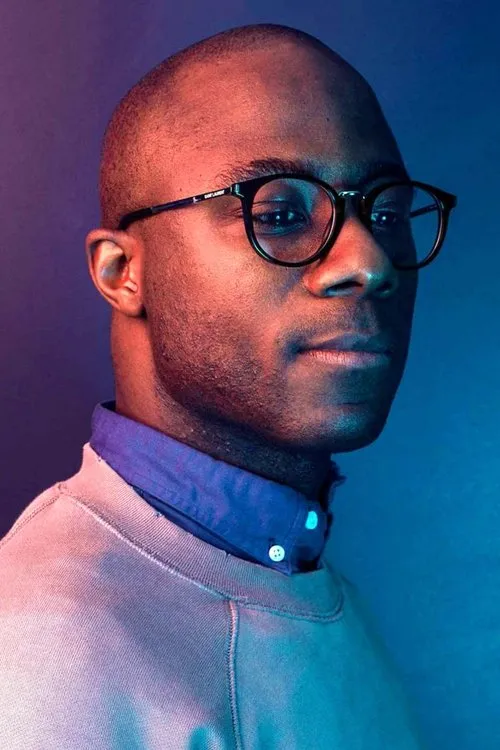
Barry Jenkins (born November 19, 1979) is an American filmmaker. After making his filmmaking debut with the short film My Josephine (2003), he directed his first feature film, Medicine for Melancholy (2008), for which he received an Independent Spirit Award nomination for Best First Feature. He is also a creative collaborator and a member of The Chopstars collective. Following an eight-year hiatus from feature filmmaking, Jenkins directed and co-wrote the LGBTQ-themed independent drama Moonlight (2016), which won numerous accolades, including the Academy Award for Best Picture. Jenkins received an Oscar nomination for Best Director and jointly won the Academy Award for Best Adapted Screenplay with Tarell Alvin McCraney. He became the fourth Black person nominated for Best Director and the second to direct a Best Picture winner. He released his third directorial feature If Beale Street Could Talk 2018, to critical praise and earned nominations for his screenplay at the Academy Awards and Golden Globes. He is also known for his work in television. In 2017, Jenkins directed "Chapter V" of the Netflix series Dear White People. In 2021, he created and directed the Amazon Video limited series The Underground Railroad, based on the novel of the same name. The series received a Primetime Emmy Award for Outstanding Directing for a Limited Series or Movie nomination and won a Peabody Award. In 2017, Jenkins was included on the annual Time 100 list of the most influential people in the world. Description above from the Wikipedia article Barry Jenkins, licensed under CC-BY-SA, full list of contributors on Wikipedia.
Barry Jenkins

Director
for Director in Echoes of the Mall: The Music Tour Phenomenon
Suggested by kamsismith

"Echoes of the Mall" is a dynamic and nostalgic journey through the evolution of the music mall tour, showcasing how malls became the epicenter of youth culture, where fandom, fame, and commercialism collided. Each episode of the series focuses on a different key artist, band, or genre that used mall tours as a stepping stone to superstardom, and later became an iconic part of pop culture. Starting in the 1980s with the emergence of teen idols and new wave bands, we’ll follow the rise of the mall tour as a must-do promotional stop. Think Tiffany, New Kids on the Block, and Debbie Gibson, all creating an unforgettable whirlwind of excitement and chaos as fans lined up in droves for a chance to see their heroes up close. The malls, once seen as mundane retail hubs, were transformed into meccas of pop culture, where crowds gathered in awe of their idols and sometimes even changed the trajectory of an artist's career. As the series progresses into the 1990s, we’ll dive into the explosion of boy bands, girl groups, and hip-hop artists that defined the decade. The malls continued to be a battleground for attention, with the likes of Backstreet Boys, Spice Girls, and TLC bringing their tours to the masses, creating a new wave of fandom and media frenzy. The youth-driven mall tour culture became a key part of shaping the music industry, forging deep connections between artists and their fans in ways the internet and social media hadn't yet.