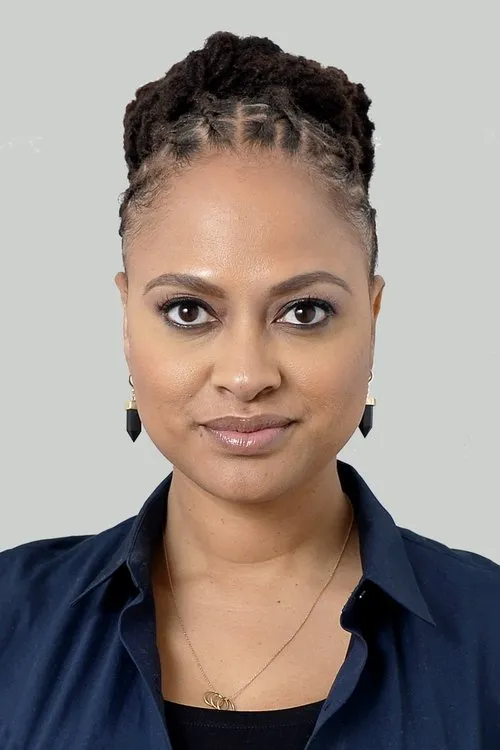
Age: 54
female
Ava Marie DuVernay (/ˌdjuːvərˈneɪ/; born August 24, 1972) is an American filmmaker, screenwriter, and producer. She is a recipient of two Primetime Emmy Awards, two NAACP Image Awards, a BAFTA Film Award, and a BAFTA TV Award, as well as a nominee for an Academy Award and a Golden Globe. In 2011, she founded her independent distribution company ARRAY. After making her directorial debut with I Will Follow (2010), DuVernay won the directing award in the U.S. dramatic competition at the 2012 Sundance Film Festival for her second feature film, Middle of Nowhere, becoming the first black woman to win the award. For her work on Selma (2014), a biopic about Martin Luther King Jr., DuVernay became the first African-American woman to be nominated for a Golden Globe Award for Best Director; the film went on to be nominated for the Academy Award for Best Picture. Her other film credits include the Academy Award-nominated Netflix documentary 13th (2016) and the Disney fantasy film A Wrinkle in Time (2018), the latter making her the first African-American woman to direct a film with a $100 million budget. In 2023, she directed the biographical film Origin based on Isabel Wilkerson's book Caste: The Origins of Our Discontents (2020). DuVernay's television credits include the OWN drama series Queen Sugar (2016) and two Netflix drama limited series: When They See Us (2019), based on the 1989 Central Park jogger case, and Colin in Black & White (2021), based on the teenage years of NFL player Colin Kaepernick. In 2017, DuVernay was included on the annual Time 100 list of the most influential people in the world. In 2020, she was elected to the Academy of Motion Pictures Arts and Sciences board of governors as part of the directors branch. Description above from the Wikipedia article Ava DuVernay, licensed under CC-BY-SA, full list of contributors on Wikipedia.
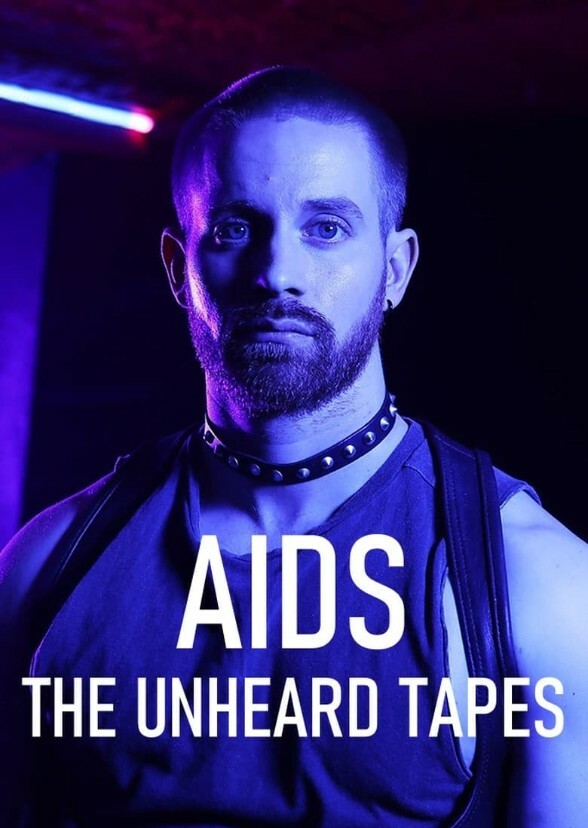
In the celestial realms of heaven, where time and space converge, two musical legends find themselves in an unexpected encounter. Bobby DeBarge, the soulful crooner with a troubled past, and Hector Lavoe, the salsa sensation whose life was a rollercoaster of triumphs and tragedies, come together in a poignant conversation that transcends mortality. As they reminisce about their meteoric rise to fame and the demons that plagued them throughout their lives, Bobby and Hector confront their shard struggles with addiction, stemming from deep-seated pain and anguish. Bobby, haunted by memories of abuse and discrimination, grapples with his tumultuous journey to sobriety amidst the harsh realities of prison life. Meanwhile, Hector recounts his battles with mental illness and the devastating losses that drove him to the brink of despair, even as he sought solace in his music. As they reflect on their regrets and missed opportunities, Bobby and Hector find common ground in their commitment to raising awareness about the scourge of AIDS, which ultimately claimed their lives. With unwavering resolve, they vow to use their voices to educate their communities about the importance of prevention and destigmatization, particularly among black and Latino men who are disproportionately affected by the disease.


