
Age: 59
male
Denis Villeneuve (born October 3, 1967) is a Canadian filmmaker. He has received seven Canadian Screen Awards as well as nominations for three Academy Awards, five BAFTA Awards, and two Golden Globe Awards. Villeneuve's films have grossed more than $1.8 billion worldwide. Villeneuve began his career in his home country, directing four French-language dramas: August 32nd on Earth (1998); Maelström (2000); Polytechnique (2009), a dramatisation of the 1989 École Polytechnique massacre; and Incendies (2010). The last of these gained him international prominence and earned a nomination for the Academy Award for Best International Feature Film. He expanded to English-language films by directing the thrillers Prisoners (2013), Enemy (2013), and Sicario (2015). Villeneuve gained wider recognition for directing science fiction films. His work on Arrival (2016) earned him a nomination for the Academy Award for Best Director. This was followed by Blade Runner 2049 (2017), which was critically lauded but financially unsuccessful. His next projects were Dune (2021) and Dune: Part Two (2024), a two-part adaptation of Frank Herbert's novel of the same name. Both films were critically and commercially successful, with the former earning him Academy Award nominations for Best Adapted Screenplay and Best Picture.
Denis Villeneuve

Director
for Director in Écho: The André Paiement Story
Suggested by kamsismith
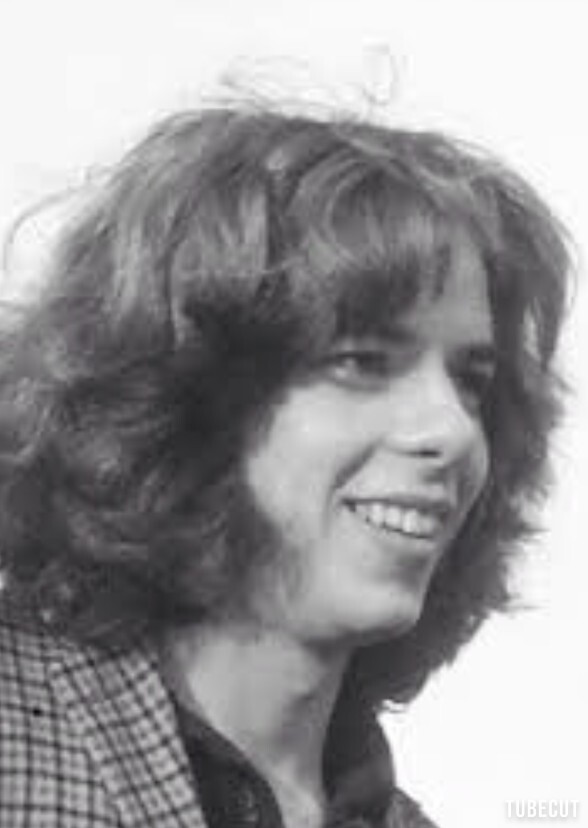
"Écho" is a powerful and deeply moving biopic chronicling the vibrant life and untimely passing of André Paiement, the Franco-Ontarian playwright and musician who became a cultural beacon for his community. Set against the backdrop of 1970s Canada, Écho explores André's journey from his small-town roots in Northern Ontario to his rise as a trailblazing artist, founding Théâtre du Nouvel-Ontario and shaping the Franco-Ontarian music scene with the legendary band CANO (Coopérative des artistes du Nouvel-Ontario). The film captures the passion, struggles, and resilience of a young man determined to give voice to his people in a country where his language and culture were often marginalized. At the heart of the story is André’s relentless drive to celebrate and preserve the Franco-Ontarian identity through art. His groundbreaking plays and songs resonate with themes of belonging, resistance, and hope, all while weaving in the beauty and hardship of life in Northern Ontario. But his brilliance was accompanied by personal struggles, culminating in his tragic death at just 27.

