
Age: 69
female
Frances Louise McDormand (born Cynthia Ann Smith; June 23, 1957) is an American film, stage and television actress. McDormand began her career on stage and made her screen debut in the 1984 film Blood Simple, having since appeared in several theatrical and television roles. McDormand has been recognized for her performances in 'Mississippi Burning' (1988), 'Short Cuts' (1993), 'Fargo' (1996), 'Wonder Boys' (2000), 'Almost Famous' (2000), 'North Country' (2005), 'Moonrise Kingdom' (2012), 'Hail, Caesar!' (2016), 'Three Billboards Outside Ebbing, Missouri' (2017), 'Nomadland' (2020) and 'The Tragedy of Macbeth' (2021). Throughout her career, she has been nominated for eight Golden Globes, five Academy Awards, four BAFTA Awards, and three Emmy Awards. She is one of the few performers to achieve the "Triple Crown of Acting", winning an Academy Award, a Primetime Emmy Award, and a Tony Award. She won her first Academy Award for Best Actress in 1997 for her role as Marge Gunderson in 'Fargo'. She also won Best Supporting Actress from the Broadcast Film Critics Association, the Florida Film Critics Circle, and the Los Angeles Film Critics Association for her performance in 'Wonder Boys' (2000). McDormand returned to the stage in the David Lindsay-Abaire play Good People on Broadway from February 8, 2011 to April 24, 2011. In 2017, McDormand starred in 'Three Billboards Outside Ebbing, Missouri' which earned her a second Academy Award for Best Actress. McDormand has been married to filmmaker Joel Coen since 1984, they reside in New York City along with their adopted son Pedro.
Frances McDormand

Liza Hamilton
for Liza Hamilton in East of Eden
Suggested by nickienicks
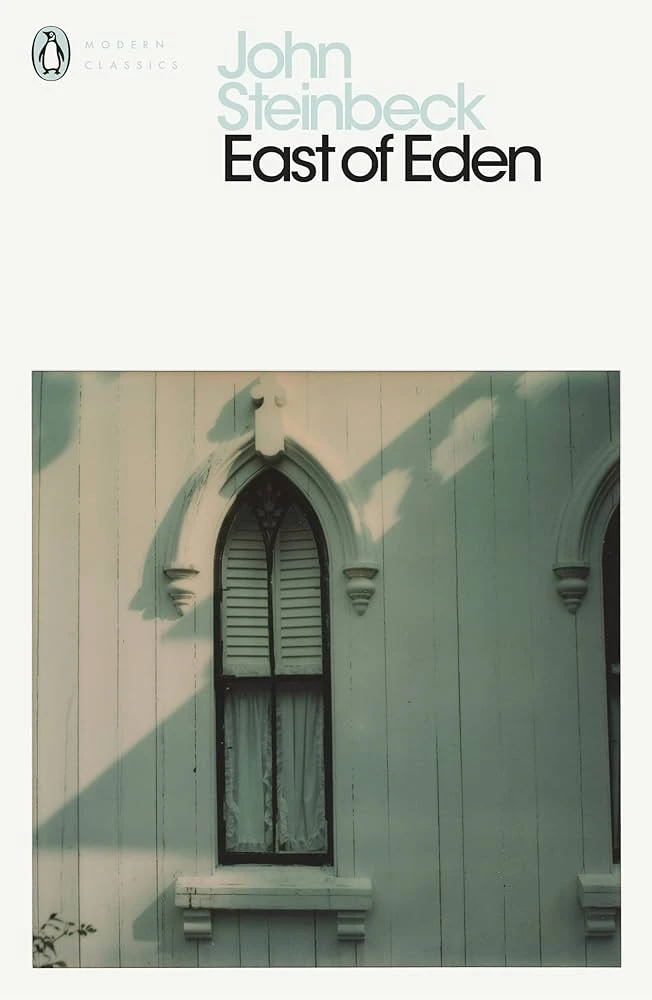
East of Eden is a 1952 novel by John Steinbeck, set in California's Salinas Valley, that follows the intertwined lives of two families, the Trasks and the Hamiltons, exploring themes of good vs. evil, identity, and love through the lens of the biblical story of Cain and Abel. Considered a masterpiece, it's a multi-generational epic that delves into complex characters and enduring questions about human nature, with a key theme being the Hebrew word "Timshel," meaning "thou mayest," which signifies the freedom to choose one's path.

