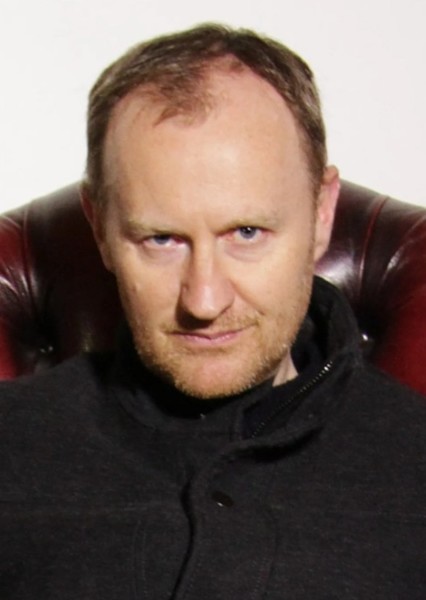
Age: 59
male
Mark Gatiss (/ˈɡeɪtɪs/; born 17 October 1966) is an English actor, comedian, screenwriter, director, producer and novelist. He is best known for his work on television, acting in and co-creating shows with Steven Moffat. Gatiss has received several awards, including a BAFTA TV Award, a Primetime Emmy Award, a Peabody Award, and two Laurence Olivier Awards. Gatiss co-created, co-wrote and acted in the BBC comedy series The League of Gentlemen (1999–2002). He co-created and portrayed Mycroft Holmes in the BBC series Sherlock (2010–2017) and Frank Renfield in the BBC / Netflix miniseries Dracula (2020). He also wrote several episodes of Doctor Who during Moffat's tenure as showrunner and two episodes during Russell T Davies' earlier tenure. His other TV roles include Tycho Nestoris in Game of Thrones (2014–2017), Stephen Gardiner in Wolf Hall (2015), and Peter Mandelson in Coalition (2015). He has acted in films such as Victor Frankenstein (2015), Denial (2016), Christopher Robin (2018), The Favourite (2018), The Father (2020), Operation Mincemeat (2021), and Mission: Impossible – Dead Reckoning Part One (2023). On stage, Gatiss played Menenius in the revival of William Shakespeare's Coriolanus (2013), for which he earned a Laurence Olivier Award for Best Actor in a Supporting Role nomination. He took on the role of King George III in a revival of the Alan Bennett play The Madness of George III (2018). He portrayed Sir John Gielgud in the Jack Thorne play The Motive and the Cue (2023), for which he earned the Laurence Olivier Award for Best Actor. His other theatre roles include The Recruiting Officer (2012), The Vote (2015), and A Christmas Carol: A Ghost Story (2021). Description above from the Wikipedia article Mark Gatiss, licensed under CC-BY-SA, full list of contributors on Wikipedia.
Mark Gatiss

The Fourth Master
for The Fourth Master in Doctor Who: The Cancelled Who
Suggested by doctorwho2000s
In the 6th of December 1989. Jonathan Powell, the new Controller of BBC 1, regarded Nathan-Turner with contempt, and the BBC's head of series, Peter Cregeen, decided to cancel the series, a decision which was clear to the production team by the end of production on the twenty-sixth of August 1989. Therefore, Doctor Who has offcially been cancelled. But, what if, it didn't happen. What if: Doctor Who had survived the cancellation in 1989. How this could've changed the history of the show itself if it hadn't been cancelled? This is a question several people have attempted, and i think i should give it a shot.

