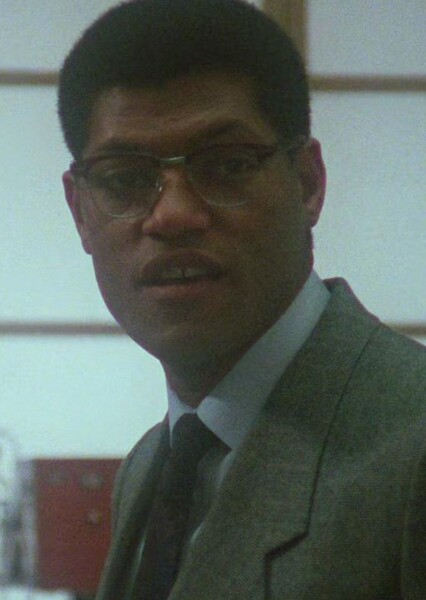
Age: 64
male
Laurence John Fishburne III (born July 30, 1961) is an American actor. He is a three-time Emmy Award and Tony Award winner known for his roles on stage and screen. He has frequently portrayed forceful, militant, and authoritative characters. Some of Fishburne's best-known roles are Morpheus in The Matrix series (1999–2003), Jason "Furious" Styles in the John Singleton drama film Boyz n the Hood (1991), Tyrone "Mr. Clean" Miller in Francis Ford Coppola's war film Apocalypse Now (1979), and "The Bowery King" in the John Wick film series (2017–present). For his portrayal of Ike Turner in What's Love Got to Do with It (1993), Fishburne was nominated for an Academy Award for Best Actor. He won a Tony Award for Best Featured Actor in a Play for his performance in Two Trains Running (1992) and an Emmy Award for Outstanding Guest Actor in a Drama Series for his performance in TriBeCa (1993). Fishburne became the first African American to portray Othello on film when he appeared in Oliver Parker's 1995 film adaptation of the Shakespeare play. He has also received five Screen Actors Guild Award nominations. He received an Independent Spirit Award for Best Male Lead nomination for his performance in Deep Cover (1992). Other film credits of Fishburne include Steven Spielberg's The Color Purple (1985), Spike Lee's School Daze (1988), Abel Ferrara's King of New York (1990), Clint Eastwood's Mystic River (2003), Steven Soderbergh's Contagion (2011), and Richard Linklater's Last Flag Flying (2017). He has also gained a wider audience with the blockbuster films Man of Steel (2013), Batman v Superman: Dawn of Justice (2016), and Ant-Man and the Wasp (2018). On television, he starred as Dr. Raymond Langston on the CBS crime drama CSI: Crime Scene Investigation (2008–2011) and as Special Agent Jack Crawford in the NBC thriller series Hannibal (2013–2015), and had a recurring role as Earl "Pops" Johnson in the ABC sitcom Black-ish (2014–2022).
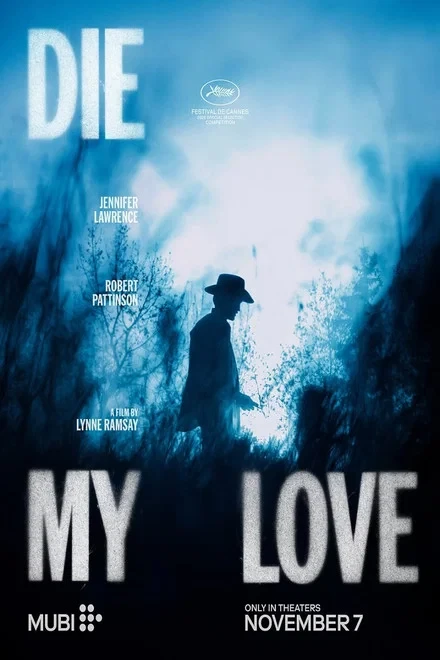
After inheriting a remote Montana house, Jackson moves there from New York with his partner Grace, and the couple soon welcome a child. As Jackson becomes increasingly absent and rural isolation sets in, Grace struggles with loneliness, creative frustration, and unresolved emotional wounds. What begins as an attempt at renewal gradually turns into an intense psychological descent, placing strain on their relationship and exposing the fragile balance between love, identity, and motherhood.


