
Age: 80
female
Goldie Jeanne Hawn (born November 21, 1945) is an American actress, director, producer, and occasional singer. She started as a dancer, first in New York and then in Los Angeles. On the cast of TV's Laugh-In, the mod comedy show of the late 1960s, she flubbed jokes in a bikini and became one of the show's most popular co-stars. She then proved the ding-a-ling act was just an act -- she won an Oscar for a supporting role in Cactus Flower (1969, with Walter Matthau) and turned in a solid performance in Steven Spielberg's The Sugarland Express (1974). She had her first blockbuster, Private Benjamin in 1980, and has since had a steady career as a leading lady in hits and misses, often acting as her own producer. Some of her movies include Shampoo (1975, starring Warren Beatty), Overboard (1987, with Kurt Russell), Bird on a Wire (1990, with Mel Gibson), Death Becomes Her (1992, with Bruce Willis), Housesitter (1992, with Steve Martin), The First Wives Club (1996, with Diane Keaton), and The Banger Sisters (2002, with Susan Sarandon), among many others. She has been in a decades-long relationship with actor Kurt Russell and is the mother of actress Kate Hudson, actor Oliver Hudson, and actor Wyatt Russell.
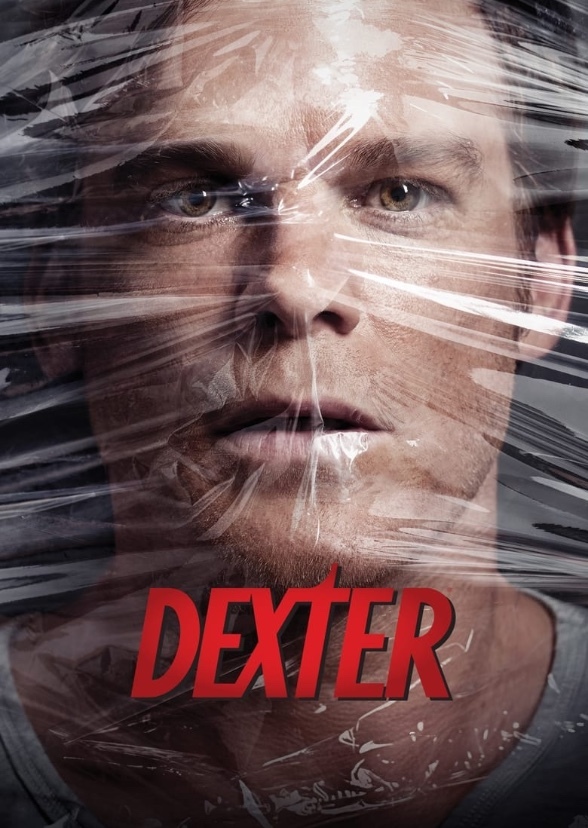
Orphaned at age three, when he witnessed his mother's brutal murder with a chainsaw, Dexter was adopted by Miami police officer Harry Morgan. Recognizing the boy's trauma and the subsequent development of his sociopathic tendencies, Harry manipulated Dexter to channel his gruesome bloodlust into vigilantism, killing only heinous criminals who slip through the criminal justice system. To cover his prolific trail of homicides, Dexter gains employment as a forensic analyst, specializing in blood spatter pattern analysis, with the Miami Metro Police Department. Dexter is extremely cautious and circumspect; he wears gloves and uses plastic-wrapped "kill rooms", carves up the corpses, and disposes of them in the Atlantic Ocean's Gulf Stream to reduce his chances of detection. Dexter juggles his two personas, recognizing each as a distinct part of himself that must cohesively work as one. He depends on their interaction, as a means of survival and normality. Although his homicidal tendencies are deeply unflinching, as he originally claims (via narration), throughout the series he strives to feel (and in some cases does feel) normal emotions and maintains his appearance as a socially responsible human being.




