
Age: 94
female
Rita Moreno (born Rosa Dolores Alverío Marcano; December 11, 1931) is a Puerto Rican actress, dancer, and singer. Noted for her work across different areas of the entertainment industry, she has appeared in numerous film, television, and theater projects throughout her extensive career spanning over seven decades. Her work includes supporting roles in the classic musical films Singin' in the Rain (1952), The King and I (1956), and the 1961 and 2021 film adaptations of West Side Story. Her other notable films include Popi (1969), Carnal Knowledge (1971), The Four Seasons (1981), I Like It Like That (1994) and the cult film Slums of Beverly Hills (1998). She is also known for her work on television including the children's television series The Electric Company (1971–1977), and as Sister Peter Marie Reimondo on the HBO series Oz (1997–2003). She voiced the titular role of in Where on Earth Is Carmen Sandiego? from 1994 to 1999. She also gained acclaim for her roles in Jane the Virgin (2015–2019) and the revival of Norman Lear's One Day at a Time (2017–2020). In theater, she is best known for her role as Googie Gomez in the 1975 musical The Ritz. Among her numerous accolades, Moreno is one of a few performers to have been awarded an Emmy, a Grammy, an Oscar, and a Tony (EGOT). She is also one of 24 people who have achieved what is called the Triple Crown of Acting, with individual competitive Academy, Emmy and Tony awards for acting. In 2004, she received the Presidential Medal of Freedom, America's highest civilian honor bestowed upon her by George W. Bush. In 2009, President Barack Obama presented her with the National Medal of Arts. In 2013, she received the Screen Actors Guild Life Achievement Award. In 2015, she was awarded a Kennedy Center Honor for her contribution to American culture through performing arts. She was awarded the Peabody Award in 2019. Her life was profiled in the 2021 documentary Rita Moreno: Just a Girl Who Decided to Go for It.
Rita Moreno

María LaGuerta
for María LaGuerta in Dexter (1976 - 1983)
Suggested by faeriew15b
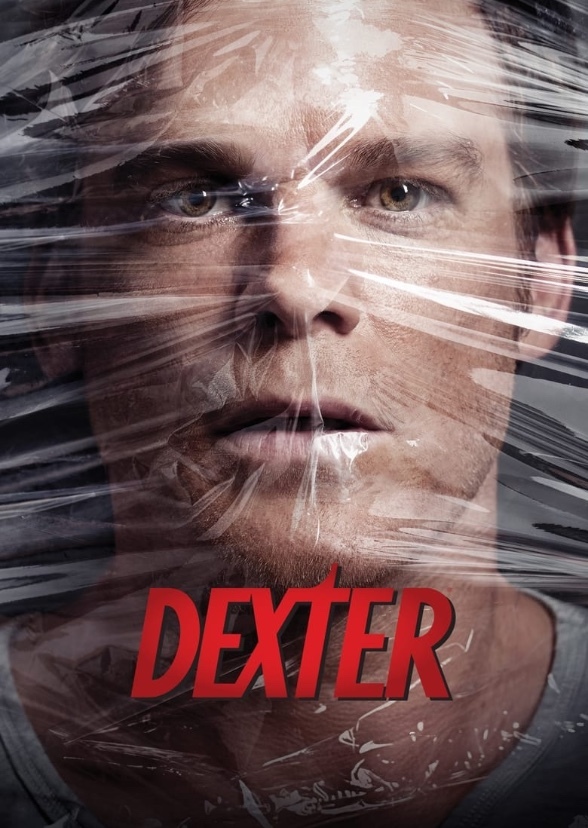
Orphaned at age three, when he witnessed his mother's brutal murder with a chainsaw, Dexter was adopted by Miami police officer Harry Morgan. Recognizing the boy's trauma and the subsequent development of his sociopathic tendencies, Harry manipulated Dexter to channel his gruesome bloodlust into vigilantism, killing only heinous criminals who slip through the criminal justice system. To cover his prolific trail of homicides, Dexter gains employment as a forensic analyst, specializing in blood spatter pattern analysis, with the Miami Metro Police Department. Dexter is extremely cautious and circumspect; he wears gloves and uses plastic-wrapped "kill rooms", carves up the corpses, and disposes of them in the Atlantic Ocean's Gulf Stream to reduce his chances of detection. Dexter juggles his two personas, recognizing each as a distinct part of himself that must cohesively work as one. He depends on their interaction, as a means of survival and normality. Although his homicidal tendencies are deeply unflinching, as he originally claims (via narration), throughout the series he strives to feel (and in some cases does feel) normal emotions and maintains his appearance as a socially responsible human being.

