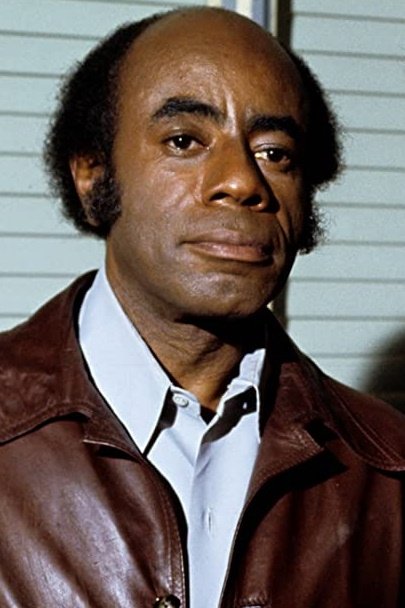
Age: 65
male
Laurence John Fishburne III (born July 30, 1961) is an American actor. He is a three-time Emmy Award and Tony Award winner known for his roles on stage and screen. He has frequently portrayed forceful, militant, and authoritative characters. Some of Fishburne's best-known roles are Morpheus in The Matrix series (1999–2003), Jason "Furious" Styles in the John Singleton drama film Boyz n the Hood (1991), Tyrone "Mr. Clean" Miller in Francis Ford Coppola's war film Apocalypse Now (1979), and "The Bowery King" in the John Wick film series (2017–present). For his portrayal of Ike Turner in What's Love Got to Do with It (1993), Fishburne was nominated for an Academy Award for Best Actor. He won a Tony Award for Best Featured Actor in a Play for his performance in Two Trains Running (1992) and an Emmy Award for Outstanding Guest Actor in a Drama Series for his performance in TriBeCa (1993). Fishburne became the first African American to portray Othello on film when he appeared in Oliver Parker's 1995 film adaptation of the Shakespeare play. He has also received five Screen Actors Guild Award nominations. He received an Independent Spirit Award for Best Male Lead nomination for his performance in Deep Cover (1992). Other film credits of Fishburne include Steven Spielberg's The Color Purple (1985), Spike Lee's School Daze (1988), Abel Ferrara's King of New York (1990), Clint Eastwood's Mystic River (2003), Steven Soderbergh's Contagion (2011), and Richard Linklater's Last Flag Flying (2017). He has also gained a wider audience with the blockbuster films Man of Steel (2013), Batman v Superman: Dawn of Justice (2016), and Ant-Man and the Wasp (2018). On television, he starred as Dr. Raymond Langston on the CBS crime drama CSI: Crime Scene Investigation (2008–2011) and as Special Agent Jack Crawford in the NBC thriller series Hannibal (2013–2015), and had a recurring role as Earl "Pops" Johnson in the ABC sitcom Black-ish (2014–2022).
Laurence Fishburne

James Doakes
for James Doakes in Dexter (1976 - 1983)
Suggested by faeriew15b
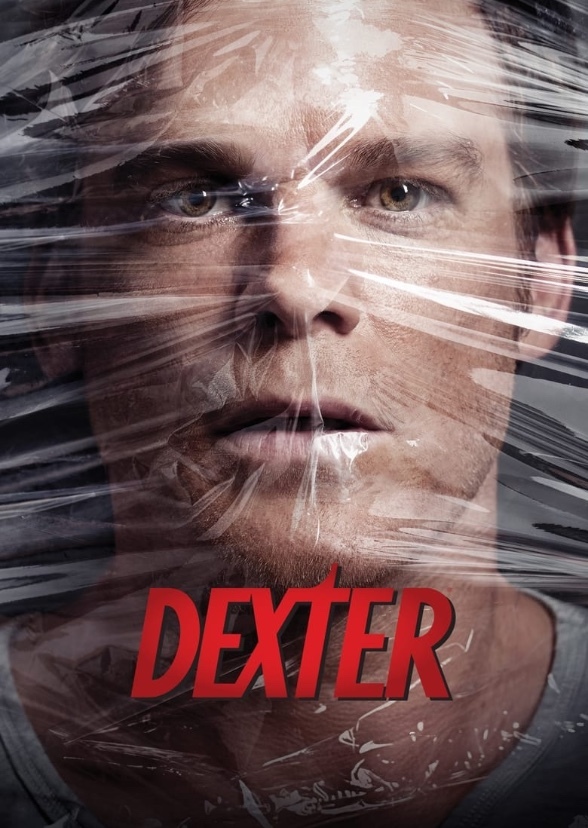
Orphaned at age three, when he witnessed his mother's brutal murder with a chainsaw, Dexter was adopted by Miami police officer Harry Morgan. Recognizing the boy's trauma and the subsequent development of his sociopathic tendencies, Harry manipulated Dexter to channel his gruesome bloodlust into vigilantism, killing only heinous criminals who slip through the criminal justice system. To cover his prolific trail of homicides, Dexter gains employment as a forensic analyst, specializing in blood spatter pattern analysis, with the Miami Metro Police Department. Dexter is extremely cautious and circumspect; he wears gloves and uses plastic-wrapped "kill rooms", carves up the corpses, and disposes of them in the Atlantic Ocean's Gulf Stream to reduce his chances of detection. Dexter juggles his two personas, recognizing each as a distinct part of himself that must cohesively work as one. He depends on their interaction, as a means of survival and normality. Although his homicidal tendencies are deeply unflinching, as he originally claims (via narration), throughout the series he strives to feel (and in some cases does feel) normal emotions and maintains his appearance as a socially responsible human being.