
Died at 91
male
Donald McNichol Sutherland (July 17, 1935 – June 20, 2024) was a Canadian actor whose film career spanned over 6 decades. He was nominated for eight Golden Globe Awards, winning two for his performances in the television films Citizen X (1995) and Path to War (2002); the former also earned him a Primetime Emmy Award. An inductee of the Hollywood Walk of Fame and Canadian Walk of Fame, he also received a Canadian Academy Award for the drama film Threshold (1981). Multiple film critics and media outlets have cited him as one of the best actors never to have received an Academy Award nomination. In 2017, he received an Academy Honorary Award for his contributions to cinema. In 2021, he won the Critics' Choice Television Award for Best Supporting Actor in a Movie/Miniseries for his work in the HBO miniseries The Undoing (2020). Sutherland rose to fame after starring in films including The Dirty Dozen (1967), M*A*S*H (1970), Kelly's Heroes (1970), Klute (1971), Don't Look Now (1973), Fellini's Casanova (1976), 1900 (1976), The Eagle Has Landed (1976), Animal House (1978), Invasion of the Body Snatchers (1978), Ordinary People (1980), and Eye of the Needle (1981). He later went on to star in many other films where he appeared either in leading or supporting roles such as A Dry White Season (1989), JFK (1991), Outbreak (1995), A Time to Kill (1996), The Assignment (1997), Without Limits (1998), Big Shot's Funeral (2001), The Italian Job (2003), Cold Mountain (2003), Pride & Prejudice (2005), Aurora Borealis (2006) and The Hunger Games franchise (2012–2015). He was the father of actors Kiefer Sutherland, Rossif Sutherland, and Angus Sutherland.
Donald Sutherland

Harry Morgan
for Harry Morgan in Dexter (1976 - 1983)
Suggested by faeriew15b
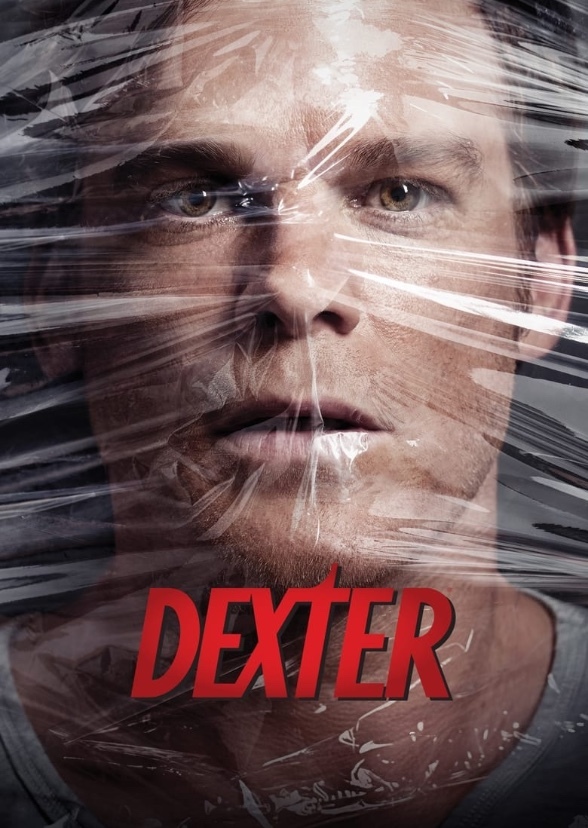
Orphaned at age three, when he witnessed his mother's brutal murder with a chainsaw, Dexter was adopted by Miami police officer Harry Morgan. Recognizing the boy's trauma and the subsequent development of his sociopathic tendencies, Harry manipulated Dexter to channel his gruesome bloodlust into vigilantism, killing only heinous criminals who slip through the criminal justice system. To cover his prolific trail of homicides, Dexter gains employment as a forensic analyst, specializing in blood spatter pattern analysis, with the Miami Metro Police Department. Dexter is extremely cautious and circumspect; he wears gloves and uses plastic-wrapped "kill rooms", carves up the corpses, and disposes of them in the Atlantic Ocean's Gulf Stream to reduce his chances of detection. Dexter juggles his two personas, recognizing each as a distinct part of himself that must cohesively work as one. He depends on their interaction, as a means of survival and normality. Although his homicidal tendencies are deeply unflinching, as he originally claims (via narration), throughout the series he strives to feel (and in some cases does feel) normal emotions and maintains his appearance as a socially responsible human being.




