
Age: 38
female
Ana Celia de Armas Caso (Spanish pronunciation:[ˈana ˈselja ðe ˈaɾmas ˈkaso]; born 30 April 1988) is a Cuban, American and Spanish actress. She began her career in Cuba with a leading role in the romantic drama Una rosa de Francia (2006). At 18, she moved to Madrid, Spain, and starred in the popular drama El Internado (2007–2010). After moving to Los Angeles, de Armas had English-speaking roles in the psychological thriller Knock Knock (2015) and the comedy-crime film War Dogs (2016). De Armas rose to prominence for her roles as the holographic AI Joi in the science fiction film Blade Runner 2049 (2017) and nurse Marta Cabrera in the mystery film Knives Out (2019), receiving a Golden Globe Award nomination for Best Actress – Motion Picture Comedy or Musical. She then played Bond girl Paloma in the James Bond film No Time to Die (2021) and actress Marilyn Monroe in the biographical drama Blonde (2022), for which she became the first Cuban nominated for the Academy Award for Best Actress. She then led the action thriller Ballerina (2025), a spin-off instalment in the John Wick franchise. Description above from the Wikipedia article Ana de Armas, licensed under CC-BY-SA, full list of contributors on Wikipedia.
Ana de Armas
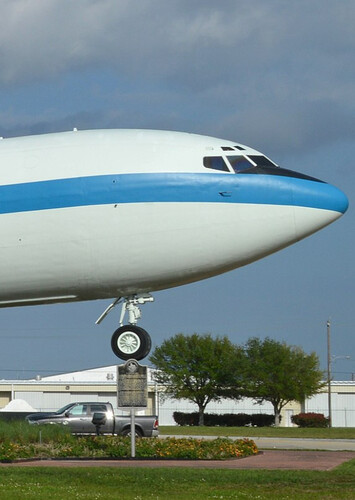
Vomit Comet Kacey (Voice)
for Vomit Comet Kacey (Voice) in Destiny of Tomorrow: Legacy of the Space Shuttle
Suggested by ltathena

An epic documentary film made from enhanced NASA archival footage from the Space Shuttle era with archival interview audio of the astronauts musing on their thoughts on the shuttles before and after spaceflight. Three-dimensional computer rendered and radio-controlled miniature model scenes depicting multiple facets of the program with the voices of the shuttles themselves also use National Geographic and IMAX archival footage to paint a picture of these shuttles also evolving during their times alive and in spaceflight of humanity. The prologue follows Gene Cernan's words from Apollo 17 about the 'Destiny of Tomorrow' that the Space Shuttle Program would service as told through the voices of the astronauts and shuttles themselves. Act I covers the entry and landing of a Shuttle to her processing. Early concepts and testing are featured in Act II. Assembly, rollout and launch are focused on in Act III. Musings on Earth history, humanity and the world below from space by the shuttles take over for Act IV. The challenges of spaceflight on orbit are evidenced in Act V. The epilogue follows the words of the surviving Shuttles remembering their fallen sisters and wondering what comes next for humankind into space.

