Died at 73
male
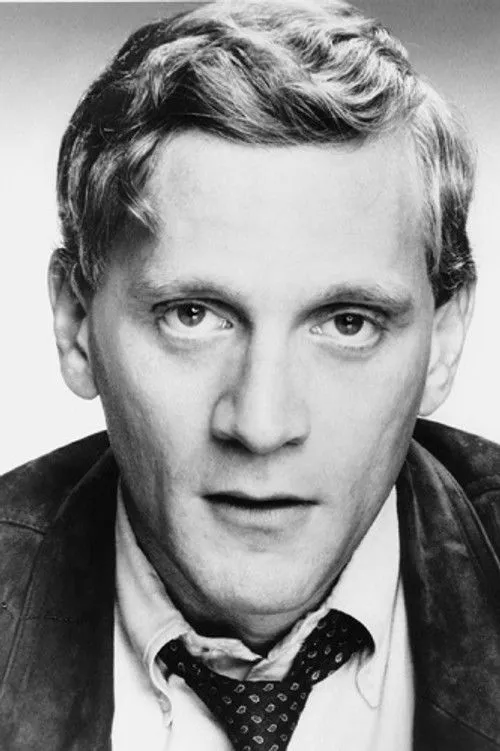
James Roy Horner (August 14, 1953–June 22, 2015) was an American film composer and conductor. He worked on more than 160 film and television productions between 1978 and 2015. He was known for the integration of choral and electronic elements alongside traditional orchestrations and for his use of motifs associated with Celtic music. Horner won two Academy Awards for his musical composition to James Cameron's Titanic (1997), which became the best-selling orchestral film soundtrack of all time. He also wrote the score for the highest-grossing film of all time, Cameron's Avatar (2009). Horner's other Oscar-nominated scores were for Aliens (1986), An American Tail (1986), Field of Dreams (1989), Apollo 13 (1995), Braveheart (1995), A Beautiful Mind (2001), and House of Sand and Fog (2003). Horner's other notable scores include Star Trek II: The Wrath of Khan (1982), Willow (1988), The Land Before Time (1988), Glory (1989), The Rocketeer (1991), Legends of the Fall (1994), Jumanji (1995), Casper (1995), Balto (1995), The Mask of Zorro (1998), Deep Impact (1998), The Perfect Storm (2000), How the Grinch Stole Christmas (2000), Troy (2004), The New World (2005), The Legend of Zorro (2005), Apocalypto (2006), The Karate Kid (2010), and The Amazing Spider-Man (2012). Horner collaborated on multiple projects with directors including James Cameron, Don Bluth, Ron Howard, Joe Johnston, Edward Zwick, Walter Hill, Mel Gibson, Vadim Perelman, Jean-Jacques Annaud, Nicholas Meyer, Wolfgang Petersen, Martin Campbell, Phil Nibbelink, and Simon Wells; producers including Steven Spielberg, George Lucas, David Kirschner, Brian Grazer, Jon Landau, and Lawrence Gordon; and songwriters including Will Jennings, Barry Mann, and Cynthia Weil. Adding to his two Academy Awards wins, Horner also won six Grammy Awards, two Golden Globes, and was nominated for three BAFTA Awards. Horner, who was an avid pilot, was killed in a single-fatality crash while flying his Short Tucano turboprop aircraft. He was 61 years old. The scores for his final three films, Southpaw (2015), The 33 (2015), and The Magnificent Seven (2016), were all completed and released posthumously. Description above from the Wikipedia article James Horner, licensed under CC-BY-SA, full list of contributors on Wikipedia.
James Horner

Choreographer
for Choreographer in Destiny of Tomorrow: Legacy of the Space Shuttle
Suggested by ltathena

An epic documentary film made from enhanced NASA archival footage from the Space Shuttle era with archival interview audio of the astronauts musing on their thoughts on the shuttles before and after spaceflight. Three-dimensional computer rendered and radio-controlled miniature model scenes depicting multiple facets of the program with the voices of the shuttles themselves also use National Geographic and IMAX archival footage to paint a picture of these shuttles also evolving during their times alive and in spaceflight of humanity. The prologue follows Gene Cernan's words from Apollo 17 about the 'Destiny of Tomorrow' that the Space Shuttle Program would service as told through the voices of the astronauts and shuttles themselves. Act I covers the entry and landing of a Shuttle to her processing. Early concepts and testing are featured in Act II. Assembly, rollout and launch are focused on in Act III. Musings on Earth history, humanity and the world below from space by the shuttles take over for Act IV. The challenges of spaceflight on orbit are evidenced in Act V. The epilogue follows the words of the surviving Shuttles remembering their fallen sisters and wondering what comes next for humankind into space.