
The American alligator (Alligator mississippiensis), sometimes referred to colloquially as a gator or common alligator, is a large crocodilian reptile native to the Southeastern United States. It is one of the two extant species in the genus Alligator, and is larger than the only other living alligator species, the Chinese alligator.Adult male American alligators measure 3.4 to 4.6 m (11.2 to 15.1 ft) in length, and can weigh up to 500 kg (1,100 lb), with unverified sizes of up to 5.84 m (19.2 ft) and weights of 1,000 kg (2,200 lb) making it the second largest member of the family Alligatoridae, after the black caiman. Females are smaller, measuring 2.6 to 3 m (8.5 to 9.8 ft) in length.[5][6][7][8][9] The American alligator inhabits subtropical and tropical freshwater wetlands, such as marshes and cypress swamps, from southern Texas to North Carolina.[10] It is distinguished from the sympatric American crocodile by its broader snout, with overlapping jaws and darker coloration, and is less tolerant of saltwater but more tolerant of cooler climates than the American crocodile, which is found only in tropical and warm subtropical climates. American alligators are apex predators and consume fish, amphibians, reptiles, birds, and mammals. Hatchlings feed mostly on invertebrates. They play an important role as ecosystem engineers in wetland ecosystems through the creation of alligator holes, which provide both wet and dry habitats for other organisms. Throughout the year (in particular during the breeding season), American alligators bellow to declare territory, and locate suitable mates.[11] Male American alligators use infrasound to attract females. Eggs are laid in a nest of vegetation, sticks, leaves, and mud in a sheltered spot in or near the water. Young are born with yellow bands around their bodies and are protected by their mother for up to one year. The conservation status of the American alligator is listed as Least Concern by the International Union for Conservation of Nature. Historically, hunting had decimated their population, and the American alligator was listed as an endangered species by the Endangered Species Act of 1973. Subsequent conservation efforts have allowed their numbers to increase and the species was removed from endangered status in 1987. The species is the official state reptile of three states: Florida, Louisiana, and Mississippi.
American Alligator

Gru
for Gru in Despicable Me 4 (Planet Zoo style)
Suggested by user_281043
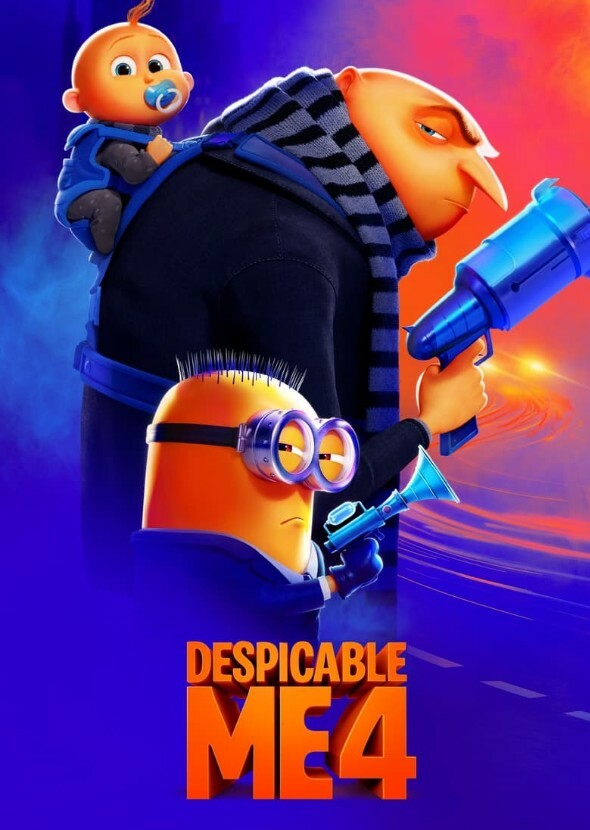
Despicable Me 4 is a 2024 American animated comedy film produced by Universal Pictures and Illumination, and distributed by Universal. It is the sequel to Despicable Me 3 (2017), the fourth main installment, and the sixth overall installment in the Despicable Me franchise. The film was directed by Chris Renaud, co-directed by Patrick Delage (in his feature directorial debut), produced by Chris Meledandri and Brett Hoffman, and written by Mike White and Ken Daurio. It stars the voices of Steve Carell, Kristen Wiig, Pierre Coffin, Joey King, Miranda Cosgrove, Steve Coogan, Sofía Vergara, Stephen Colbert, Renaud, Madison Polan, Dana Gaier, Chloe Fineman, and Will Ferrell. The film sees reformed supervillain and secret agent Gru (Carell) relocate his family to a safe house when his old rival Maxime Le Mal (Ferrell) seeks revenge. Subplots deal with Gru's family adjusting to their new lives, teenage neighbor Poppy Prescott (King) trying to follow in Gru's villainous footsteps, and a group of Gru's Minions (Coffin) becoming superheroes.

