
Age: 66
male
Alfred Matthew "Weird Al" Yankovic (born October 23, 1959) is an American singer-songwriter, music producer, actor, comedian, writer, satirist, and parodist. Yankovic is known for his humorous songs that make light of popular culture and that often parody specific songs by contemporary musical acts. Since his first-aired comedy song in 1976, he had sold more than 12 million albums (as of 2007), recorded more than 150 parody and original songs, and has performed more than 1,000 live shows. His works have earned him three Grammy Awards among nine nominations, four gold records, and six platinum records in the United States. Yankovic's first top ten Billboard album (Straight Outta Lynwood) and single ("White & Nerdy") were both released in 2006, nearly three decades into his career. Yankovic's success comes in part from his effective use of music video to further parody popular culture, the song's original artist, and the original music videos themselves, scene-for-scene in some cases. He directed later videos himself and went on to direct for other artists including Ben Folds, Hanson, Black Crowes, and The Presidents of the United States of America. In addition to recording his albums, Yankovic wrote and starred in the film, UHF, and television show, The Weird Al Show. He has also made guest appearances on many television shows, in addition to starring in Al TV specials on MTV. Description above from the Wikipedia article "Weird Al" Yankovic, licensed under CC-BY-SA, full list of contributors on Wikipedia.
"Weird Al" Yankovic

Theme Song Performer
for Theme Song Performer in Der Fuerher's Face - Remake
Suggested by peterjudge04
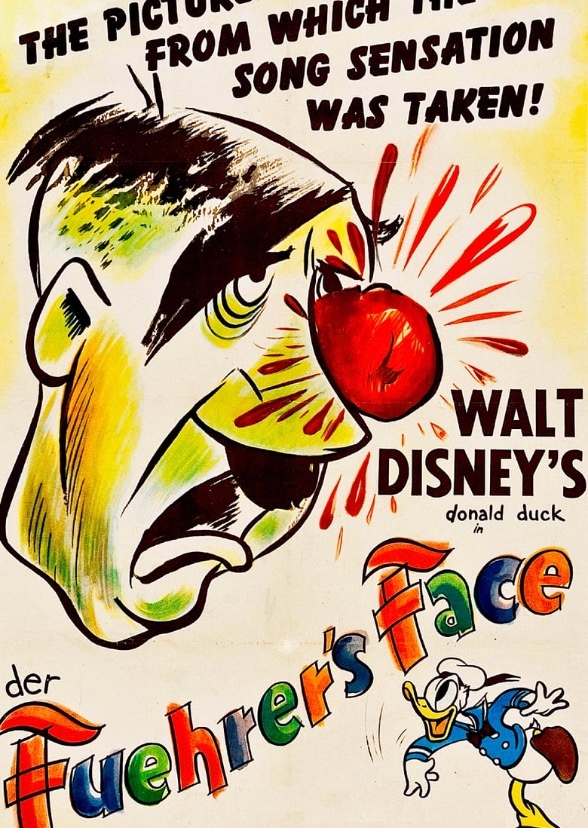
"Der Fuerher's Face" is a 1943 WW2 American propaganda cartoon short starring Donald Duck. In this film, Donald has a nightmare where he's a German factory worker forced by the Nazis to build bombs and salute every time he sees a Hitler's photo. This drives Donald crazy, but he fortunately wakes up in good ol' United States, thanking to be an American citizen. The cartoon, who received an Academy Award, can still be considered relevant as a film against totalitarian regimes. It doesn't show racist caricatures (except for two rapid scenes with Emperor Hirohito and Prime Minister Tojo) oppositely to many cartoons of the time, and, still being hyper anti-PC, can still be considered a masterpiece of its time.

