Age: 37
female
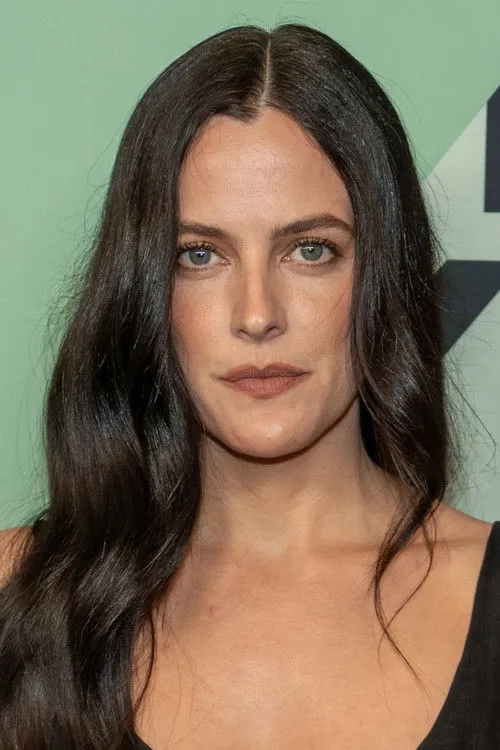
Danielle Riley Keough (/ˈkiːoʊ/ KEE-oh; born May 29, 1989) is an American actress and the eldest grandchild of Elvis Presley. She made her feature film debut in a supporting part in the musical biopic The Runaways (2010), portraying Marie Currie. Keough subsequently starred in the independent thriller The Good Doctor (2011) before being cast in a minor role in Steven Soderbergh's comedy film Magic Mike (2012). She appeared in her first big-budget release in the action feature Mad Max: Fury Road (2015). In 2016, Keough had her breakthrough role as an escort in the first season of the anthology series The Girlfriend Experience, earning a Golden Globe Award nomination for Best Actress. Her performance as a wayward young woman in the drama American Honey (2016) earned her further acclaim, including an Independent Spirit Award nomination for Best Supporting Female. Keough went on to star in the horror film It Comes at Night (2017) and in Soderbergh's heist film Logan Lucky (2017); she then appeared in the horror films The House That Jack Built (2018) and The Lodge (2019). Following a leading role in the comedy-drama Zola (2020), Keough starred in the Amazon Prime Video thriller series The Terminal List (2022) and the drama miniseries Daisy Jones & the Six (2023). The latter earned her nominations for another Golden Globe and a Primetime Emmy Award. Keough is a co-founder of the production company Felix Culpa. She has co-directed the drama War Pony (2022), which won the Caméra d'Or. She became the sole owner of Elvis Presley's estate, Graceland, following her mother, Lisa Marie Presley's death in 2023. Description above from the Wikipedia article Riley Keough, licensed under CC-BY-SA, full list of contributors on Wikipedia.
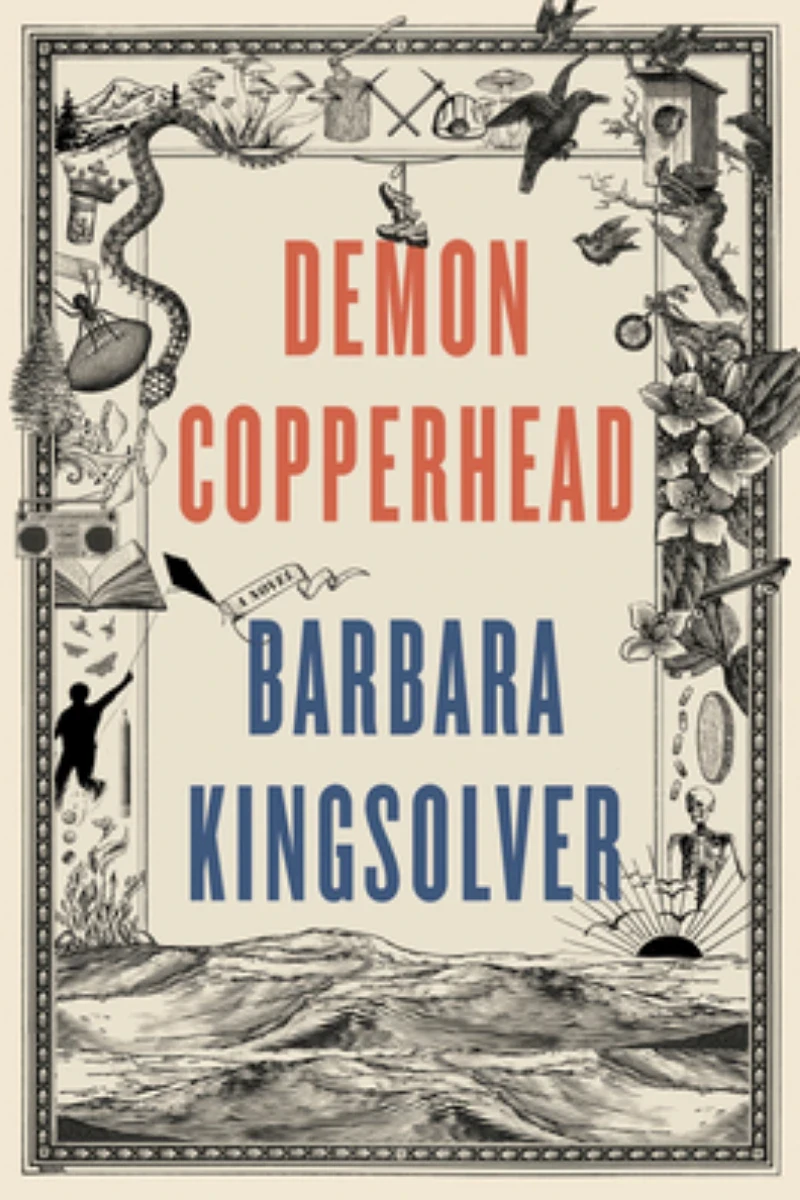
Anyone will tell you the born of this world are marked from the get-out, win or lose." Set in the mountains of southern Appalachia, this is the story of a boy born to a teenaged single mother in a single-wide trailer, with no assets beyond his dead father's good looks and copper-colored hair, a caustic wit, and a fierce talent for survival. In a plot that never pauses for breath, relayed in his own unsparing voice, he braves the modern perils of foster care, child labor, derelict schools, athletic success, addiction, disastrous loves, and crushing losses. Through all of it, he reckons with his own invisibility in a popular culture where even the superheroes have abandoned rural people in favor of cities. Many generations ago, Charles Dickens wrote David Copperfield from his experience as a survivor of institutional poverty and its damages to children in his society. Those problems have yet to be solved in ours. Dickens is not a prerequisite for readers of this novel, but he provided its inspiration. In transposing a Victorian epic novel to the contemporary American South, Barbara Kingsolver enlists Dickens' anger and compassion, and above all, his faith in the transformative powers of a good story. Demon Copperhead speaks for a new generation of lost boys, and all those born into beautiful, cursed places they can't imagine leaving behind.