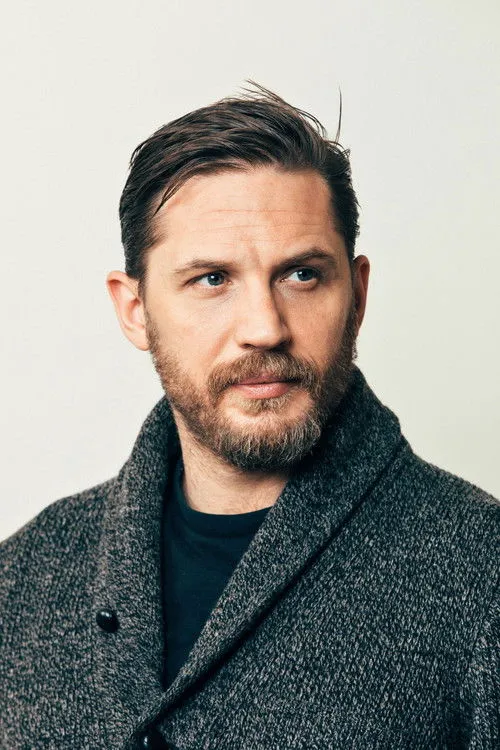
Age: 62
male
Nicolas Cage (born Nicolas Kim Coppola; January 7, 1964) is an American actor and filmmaker. He is the recipient of various accolades, including an Academy Award, a Screen Actors Guild Award, and a Golden Globe Award. During the early years of his career, Cage starred in a variety of films such as Rumble Fish (1983), Racing with the Moon (1984), Peggy Sue Got Married (1986), Raising Arizona (1987), Vampire's Kiss (1989), Wild at Heart (1990), Honeymoon in Vegas (1992), and Red Rock West (1993). During this period, John Willis' Screen World, Vol. 36 listed him as one of twelve Promising New Actors of 1984. For his performance in Leaving Las Vegas (1995), he won the Academy Award for Best Actor. He received his second Academy Award nomination for his performance as Charlie and Donald Kaufman in Adaptation (2002). He subsequently appeared in more mainstream films, such as The Rock (1996), Con Air (1997), City of Angels (1998), 8mm (1999), Windtalkers (2002), Lord of War (2005), The Wicker Man (2006), Bangkok Dangerous (2008) and Knowing (2009). He also directed the film Sonny (2002), for which he was nominated for Grand Special Prize at Deauville Film Festival. Cage owns the production company Saturn Films and has produced films such as Shadow of the Vampire (2000) and The Life of David Gale (2003). In October 1997, Cage was ranked No. 40 in Empire magazine's The Top 100 Movie Stars of All Time list, while the next year, he was placed No. 37 in Premiere's 100 most powerful people in Hollywood. In the 2010s, he starred in Kick-Ass (2010), Drive Angry (2011), Joe (2013), The Runner (2015), Dog Eat Dog (2016), Mom and Dad (2017), Mandy (2018), Spider-Man: Into the Spider-Verse (2018), and Color Out of Space (2019). His participation in various film genres during this time increased his popularity and gained him a cult following.
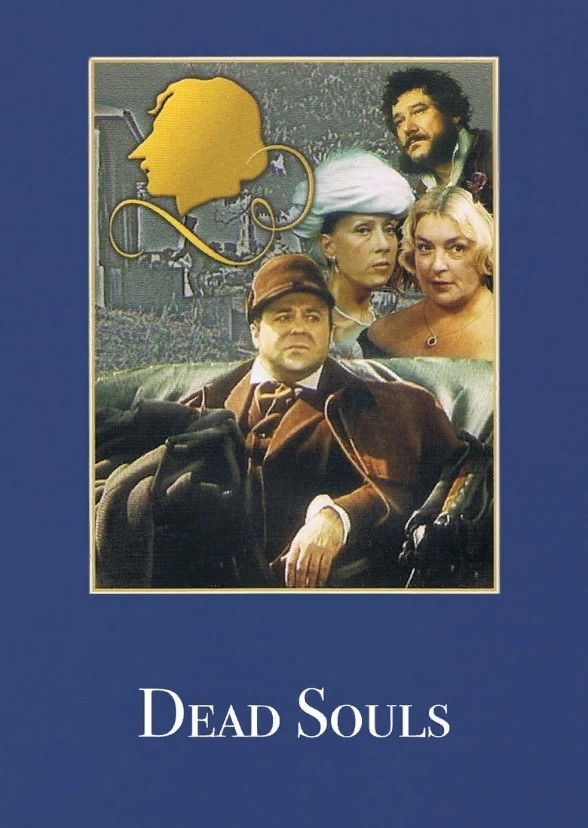
Dead Souls is a novel by Nikolai Gogol, first published in 1842, and widely regarded as an exemplar of 19th-century Russian literature. The novel chronicles the travels and adventures of Pavel Ivanovich Chichikov (Russian: Павел Иванович Чичиков) and the people whom he encounters. These people are typical of the Russian middle-class of the time. Gogol himself saw it as an "epic poem in prose", and within the book as a "novel in verse". Despite supposedly completing the trilogy's second part, Gogol destroyed it shortly before his death. Although the novel ends in mid-sentence (like Sterne's Sentimental Journey), it is usually regarded as complete in the extant form