Age: 68
female
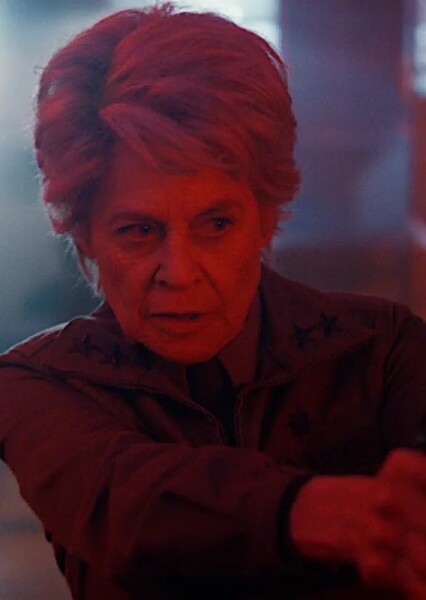
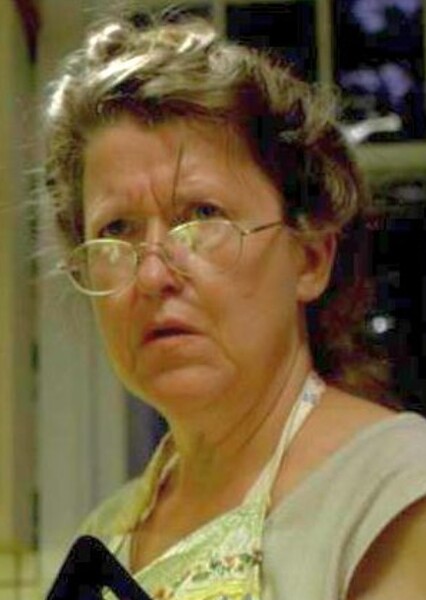
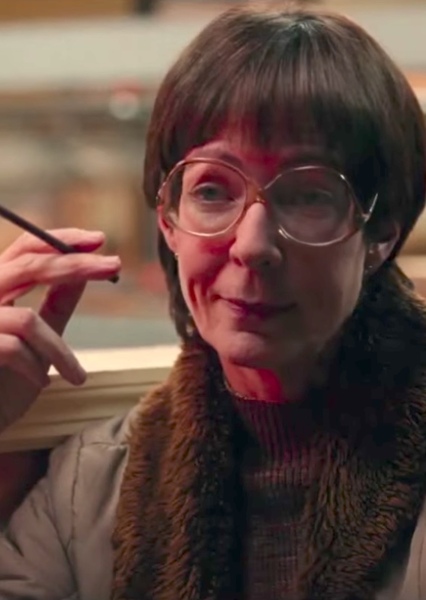
Fiona Shaw (born Fiona Mary Wilson, 10 July 1958) is an Irish film and theatre actress. She did extensive work with the Royal Shakespeare Company and the National Theatre, as well as in film and television. In 2020, she was listed at No. 29 on The Irish Times list of Ireland's greatest film actors. She was made an Honorary Commander of the Order of the British Empire (CBE) by Queen Elizabeth II in 2001. She won both the 1990 and 1994 Laurence Olivier Award for Best Actress for roles in the plays Electra, As You Like It, The Good Person of Szechwan (1990), and Machinal (1994) and received a further three Olivier Award nominations for her roles in Mephisto (1986), Hedda Gabler (1992), and Happy Days (2008). She made her Broadway debut playing the title role in Medea (2002), for which she earned a nomination for the Tony Award for Best Actress in a Play. She returned to Broadway in the Colm Tóibín play The Testament of Mary (2013). In film, she played Petunia Dursley in the Harry Potter film series (2001–2010). Other notable film roles include My Left Foot (1989), Persuasion (1995), Jane Eyre (1996), The Tree of Life (2011), Colette (2018), Ammonite (2020), and Enola Holmes (2020). Her television roles include Hedda Hopper in the HBO film RKO 281 (1999) and Marnie Stonebrook in the HBO series True Blood (2011). She played Carolyn Martens in the BBC series Killing Eve (2018–22), for which she received the 2019 BAFTA TV Award for Best Supporting Actress and two Primetime Emmy Award nominations. For her role as a counsellor in Fleabag (2019), she received a Primetime Emmy Award for Outstanding Guest Actress in a Comedy Series nomination. She starred in the BBC One series Baptiste (2021) and the Disney+ series Andor (2022). Description above from the Wikipedia article Manny Jacinto, licensed under CC-BY-SA, full list of contributors on Wikipedia.
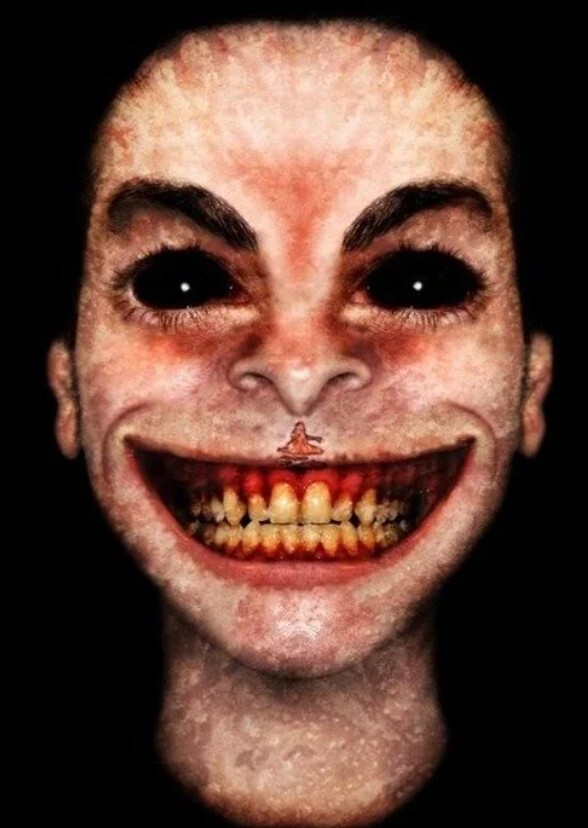
In the remote outback of a small, tight-knit town, whispers spread about a strange sickness unlike anything seen before. Locals claim it begins with a voice: soft, motherly, and hauntingly sweet—singing the old tune “Daisy, Daisy". Those who hear it wander off, entranced, only to return…different. They come back smiling, their faces locked in an unnatural cheerfulness. They talk with a disturbing warmth, as though every word is meant to comfort, yet beneath their cheer lies a violent unpredictability, lashing out without warning. The townsfolk call it “The Daisy Virus,” but no one knows if it’s biological, psychological…or something older and darker. As paranoia spreads, a small group of survivors must uncover the truth: is this an infection born of science gone wrong, or are they being manipulated by something far more sinister that craves to mother and consume them all? Every day the chorus of “Daisy, Daisy” grows louder in the fields, threatening to drown the town in its eerie lullaby.