
Age: 48
female
Brook Maurio (previously Busey-Hunt; née Busey; born June 14, 1978), known professionally by the pen name Diablo Cody, is an American writer and producer. She gained recognition for her candid blog and subsequent memoir, Candy Girl: A Year in the Life of an Unlikely Stripper (2005). Cody received critical acclaim for her screenwriting debut, Juno (2007), which won both the Academy Award and the BAFTA Award for Best Original Screenplay. She wrote, produced, and made her directorial debut with the comedy-drama film Paradise (2013). Cody has also written and produced the films Jennifer's Body (2009), Young Adult (2011), Ricki and the Flash (2015), Tully (2018), and Lisa Frankenstein (2024). Cody created, wrote, and produced the Showtime comedy drama series United States of Tara (2009–2011) and the Amazon Prime series One Mississippi (2015–2017). She made her Broadway debut with the Alanis Morissette musical Jagged Little Pill, winning the Tony Award for Best Book of a Musical. She has been a member of the Academy of Motion Picture Arts and Sciences, Writers' Branch, since 2008. Description above from the Wikipedia article Diablo Cody, licensed under CC-BY-SA, full list of contributors on Wikipedia.
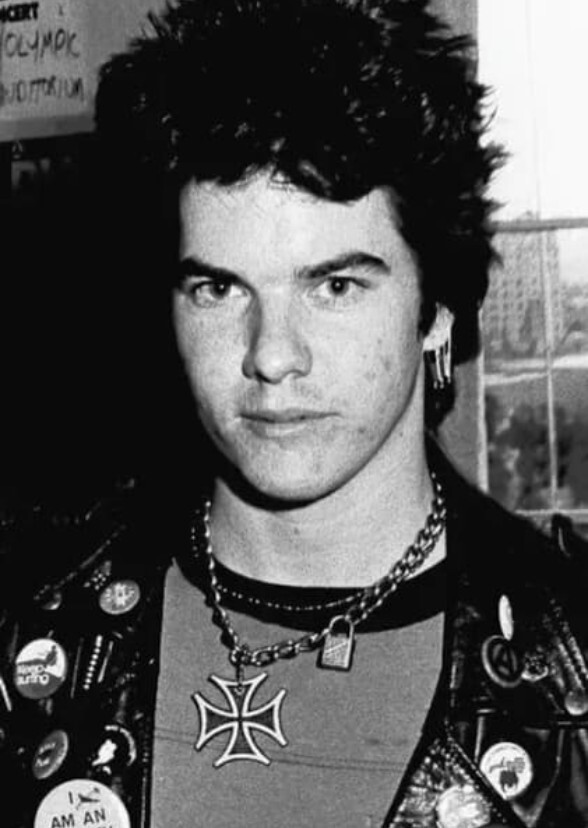
Imagine the late 1970s Los Angeles punk scene: smoky clubs filled with raucous fans, graffiti-covered walls vibrating with the energy of kids desperate for a place to belong. This world had no real icons yet, just restless youth breaking the mold, and in its core was Darby Crash — a charismatic, troubled, larger-than-life figure whose own self-doubt and existential musings were masked by his fierce performances. Crash & Burn would be both a raw character study and an immersive journey into punk’s early days, depicting Darby as both hero and antihero. We explore how Jan Paul Beahm — a misfit teen who studied Nietzsche and created his philosophy for life — evolved into Darby Crash, a magnetic figure whose every action seemed like a bold artistic statement. Through the eyes of Darby and those who loved him, we see a vision of punk rock not as a genre but as a way of life, born out of pain, disillusionment, and a deep-seated need to feel heard.



