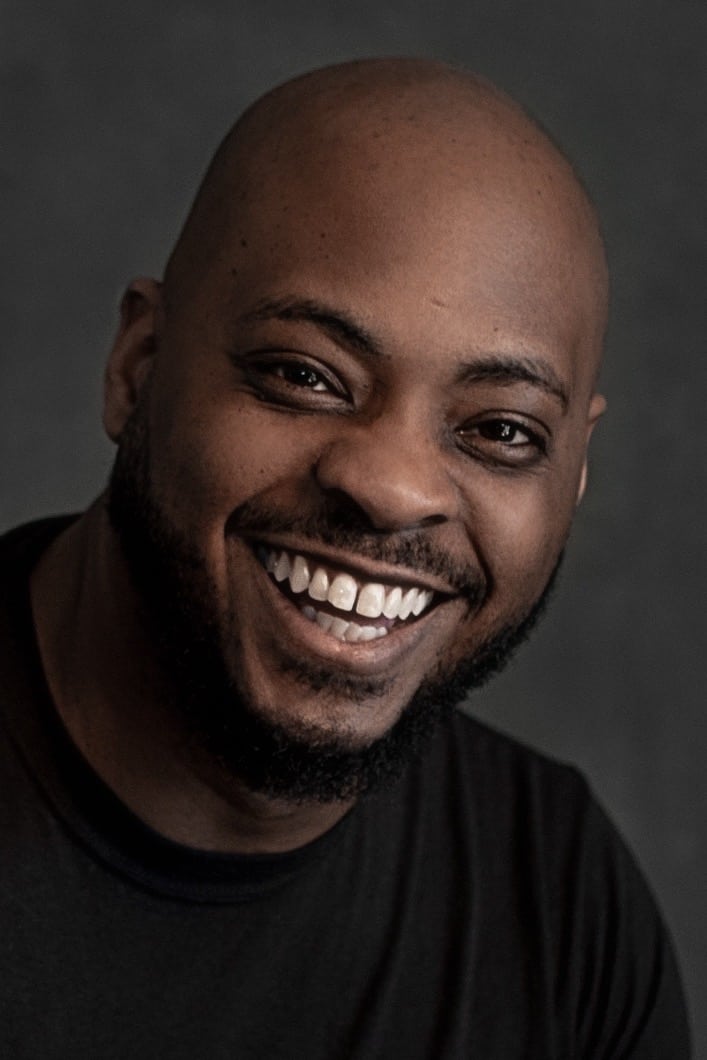
Age: 63
male
Michael Abels (born October 8, 1962) is an American composer best known for the opera Omar, co-written with Rhiannon Giddens, and his scores for the Jordan Peele films Get Out, Us and Nope. The hip-hop-influenced score for Us was short-listed for the Oscars and was even named "Score of the Decade" by TheWrap. Other recent media projects include the films Bad Education, Nightbooks, and Fake Famous, and the docuseries Allen v. Farrow. His most recent releases include Beauty, which premiered at the Tribeca Film Festival and is now streaming on Netflix; Breaking (formerly 892), which premiered at Sundance; and his third collaboration with Jordan Peele, Nope. Abels' works also include many concert works, such as At War With Ourselves for the Kronos Quartet, Isolation Variation for Hilary Hahn, and the opera Omar, co-composed with Grammy-winning singer/songwriter Rhiannon Giddens. Some of these pieces are available on Cedille Records, including Delights & Dances and Winged Creatures. Recent commissions include a work for the National Symphony Orchestraand a guitar concerto for Mak Grgić. Abels is a co-founder of the Composers Diversity Collective. This advocacy group increases the visibility of composers of colour in film, gaming, and streaming media. In 2023, the opera Omar, co-written by Abels and Rhiannon Giddens, won the Pulitzer Prize for Music. Description above from the Wikipedia article Michael Abels, licensed under CC-BY-SA, full list of contributors on Wikipedia.
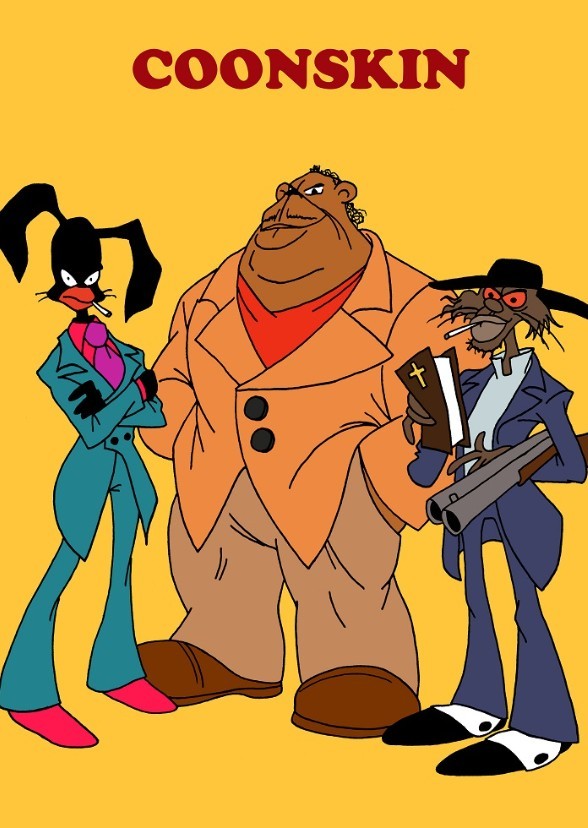
Coonskin is a 1975 American adult animated satirical crime film written and directed by Ralph Bakshi. The film references the Uncle Remus folk tales and satirizes the blaxploitation film genre as well as Disney's racially controversial film Song of the South, also adapted from the Uncle Remus folk tales. The film's narrative concerns three anthropomorphic Uncle Remus characters, Br'er Rabbit (referred to as Brother Rabbit), Br'er Fox (referred to as Preacher Fox), and Br'er Bear (referred to as Brother Bear). They rise to the top of the organized crime racket in Harlem, encountering corrupt law enforcement, con artists, and the Mafia, in a satire of both racism within the Hollywood film system, and America itself. Originally produced under the titles Harlem Nights and Coonskin No More... at Paramount Pictures, Coonskin encountered controversy before its original theatrical release when the Congress of Racial Equality accused the film of being racist. When the film was released, Bryanston gave it limited distribution and it initially received mixed reviews. Later re-released under the titles Bustin' Out and Street Fight, Coonskin has since been re-appraised, recontextualizing the film as the condemnation of racism that the director intended, rather than a product of a racist imagination, as its detractors had claimed.