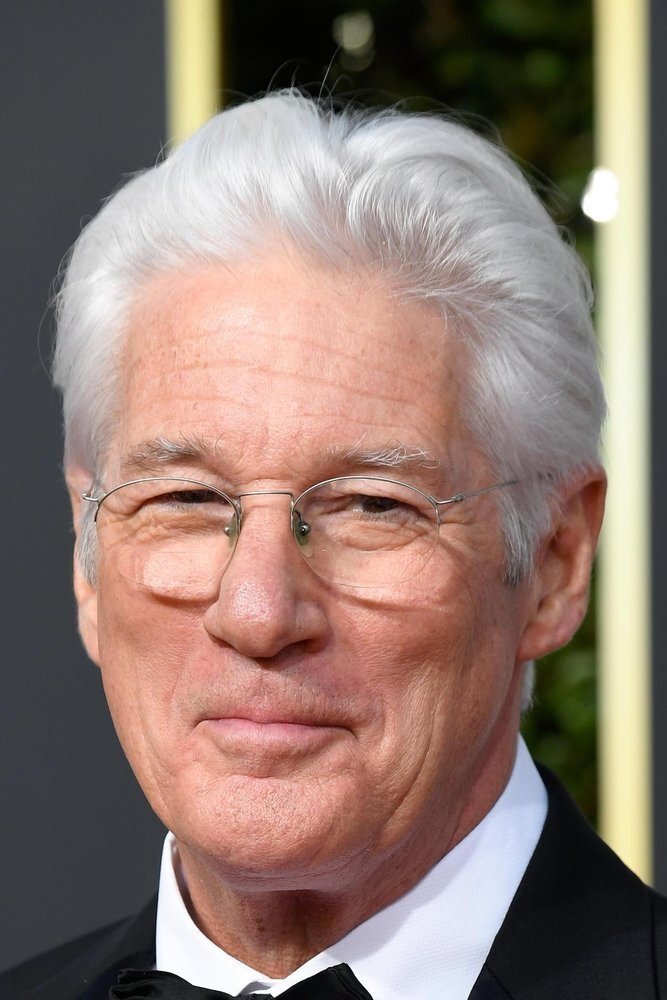
Died at 91
male
Donald McNichol Sutherland (July 17, 1935 – June 20, 2024) was a Canadian actor whose film career spanned over 6 decades. He was nominated for eight Golden Globe Awards, winning two for his performances in the television films Citizen X (1995) and Path to War (2002); the former also earned him a Primetime Emmy Award. An inductee of the Hollywood Walk of Fame and Canadian Walk of Fame, he also received a Canadian Academy Award for the drama film Threshold (1981). Multiple film critics and media outlets have cited him as one of the best actors never to have received an Academy Award nomination. In 2017, he received an Academy Honorary Award for his contributions to cinema. In 2021, he won the Critics' Choice Television Award for Best Supporting Actor in a Movie/Miniseries for his work in the HBO miniseries The Undoing (2020). Sutherland rose to fame after starring in films including The Dirty Dozen (1967), M*A*S*H (1970), Kelly's Heroes (1970), Klute (1971), Don't Look Now (1973), Fellini's Casanova (1976), 1900 (1976), The Eagle Has Landed (1976), Animal House (1978), Invasion of the Body Snatchers (1978), Ordinary People (1980), and Eye of the Needle (1981). He later went on to star in many other films where he appeared either in leading or supporting roles such as A Dry White Season (1989), JFK (1991), Outbreak (1995), A Time to Kill (1996), The Assignment (1997), Without Limits (1998), Big Shot's Funeral (2001), The Italian Job (2003), Cold Mountain (2003), Pride & Prejudice (2005), Aurora Borealis (2006) and The Hunger Games franchise (2012–2015). He was the father of actors Kiefer Sutherland, Rossif Sutherland, and Angus Sutherland.
Donald Sutherland

Old Benjamin
for Old Benjamin in Choctaw: The American Story
Suggested by thecookieprincess
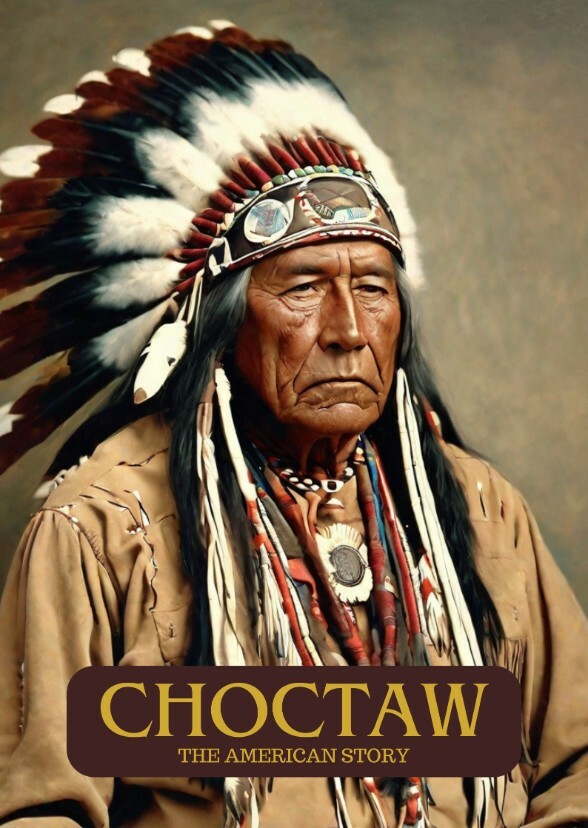
Part 1: Bonds of Friendship (Early 1800s) The story begins in the early 1800s, introducing Nigan, young Choctaw warrior, and Benjamin, compassionate American settler. Nigan and Benjamin's friendship blossoms against the backdrop of a changing landscape. As tensions rise between Native nations and encroaching settlers, the Choctaw Nation and the United States forge a unique alliance based on respect, understanding, and shared values. Part 2: The Trail of Tears and Unity (1830s) The Choctaw Nation faces the tragic Trail of Tears, but unlike history, the bond of friendship between Nigan and Benjamin remains intact. The two friends navigate the challenges of displacement together, showcasing the strength of their alliance. With the support of their American allies, perseveres through adversity for future cooperation. Part 3: Allies in Conflict (1860s-1870s) The Civil War erupts, testing the strength of the Choctaw-American alliance. Nigan and Benjamin find themselves on opposite sides of the conflict, yet their friendship endures. Part 4: Struggles for Equality (Late 1800s-1900s) As the United States undergoes societal changes, Nigan and Benjamin work together to navigate the challenges of assimilation policies and the fight for Native American rights. Despite facing adversity, the Choctaw Nation and their American allies stand united in their pursuit of justice and equality. Their shared experiences become a testament to the strength of their enduring friendship.