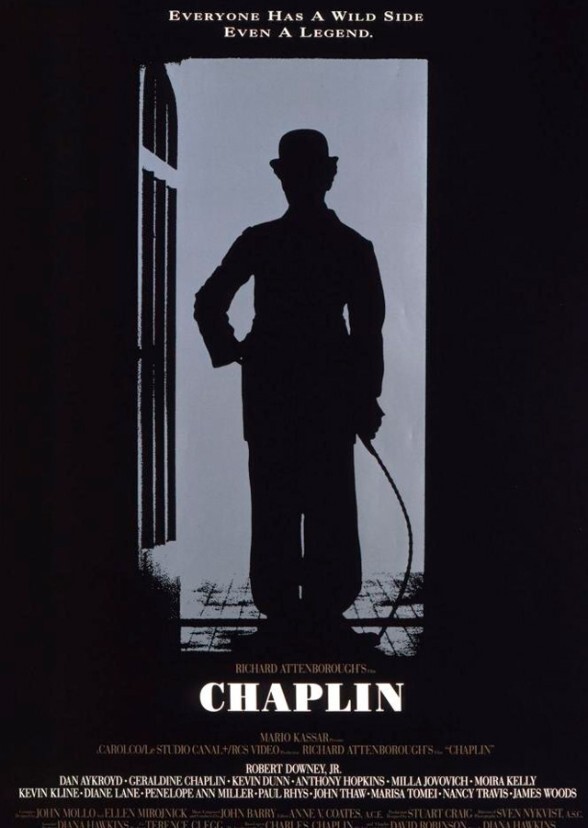
The film, "Charlie Chaplin: The Mask and The Man," is a complex, feature-length look at the tumultuous life of one of cinema's most important and controversial figures. The story begins in the harsh poverty of turn-of-the-century London, detailing his traumatic childhood shaped by the mental illness of his mother and the absence of his father, which instilled the melancholy that would fuel his greatest work. The narrative swiftly moves to his rise from the English music halls to the nascent world of Hollywood, focusing on the miraculous speed with which he invented the universally beloved character, The Tramp (Carlitos).
The central conflict explores the profound tension between the Tramp’s innocent, poetic persona and Chaplin's complicated, often ruthless, private life. The film highlights his artistic genius—his meticulous control over every aspect of his films and his revolutionary shift into feature-length narratives like The Kid—while juxtaposing it with his notorious romantic relationships, his battles with the studio system, and his political activism. The climax focuses on the McCarthy era, where his political views and personal life made him a target of the American establishment, leading to his exile from the country that made him a legend. Ultimately, it is a story about the cost of genius, the tragic divide between an artist's public mask of innocence and his private reality of complexity and controversy.