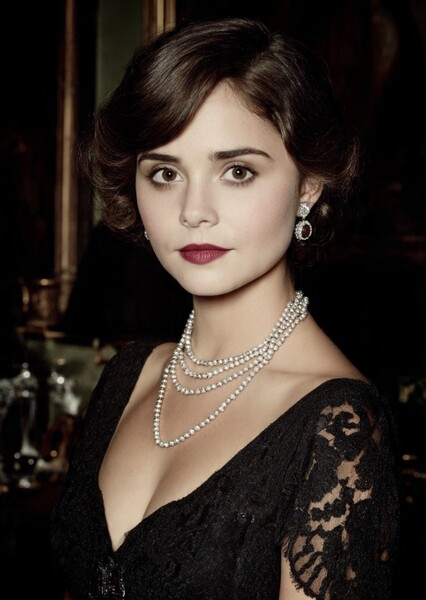
Age: 40
female
Jenna-Louise Coleman, since 2013 credited as Jenna Coleman, is an English actress. She is known for her roles as Jasmine Thomas in the ITV soap opera Emmerdale (2005–2009), Clara Oswald in the BBC science fiction series Doctor Who (2012–2015, 2017), Queen Victoria in the ITV period drama Victoria (2016–2019), Joanna Lindsay in the crime miniseries The Cry (2018), and Marie-Andrée Leclerc in the crime miniseries The Serpent (2021). She landed the part of Jasmine Thomas in Emmerdale in 2005 and, for it, she was nominated for the "Best Newcomer" award at British Soap Awards in 2007, and at the National Television Awards in 2006, she was nominated for the "Most Popular Newcomer" award. She received a nomination for the "Best Actress" award from the TV Choice Awards. In 2011, she made her feature film debut in Captain America: The First Avenger. She played Susan Brown in a BBC Four television adaptation of the John Braine novel Room at the Top in 2012. Also in 2012, she landed the part of Annie Desmond in a mini-series Titanic. She provided the voice for the character Melia in the English dub of the 2011 video game Xenoblade Chronicles. In 2012, she was cast as Rosie in Dancing on the Edge. She starred as Lydia Wickham in the adaptation of Death Comes to Pemberley (2013). She made a surprise appearance on Doctor Who in the first episode of the seventh series as Oswin Oswald, a guest character, but she debuted as a series regular in the Christmas special episode "The Snowmen" as Clara Oswin Oswald. She plays eleventh's and twelve's Doctor companion until 2015. In 2016, she starred in ITV's drama Victoria.
Jenna Coleman

Edna Purviance
for Edna Purviance in Charlie Chaplin: The Mask and The Man (Biopic)
Suggested by kaueoliveira
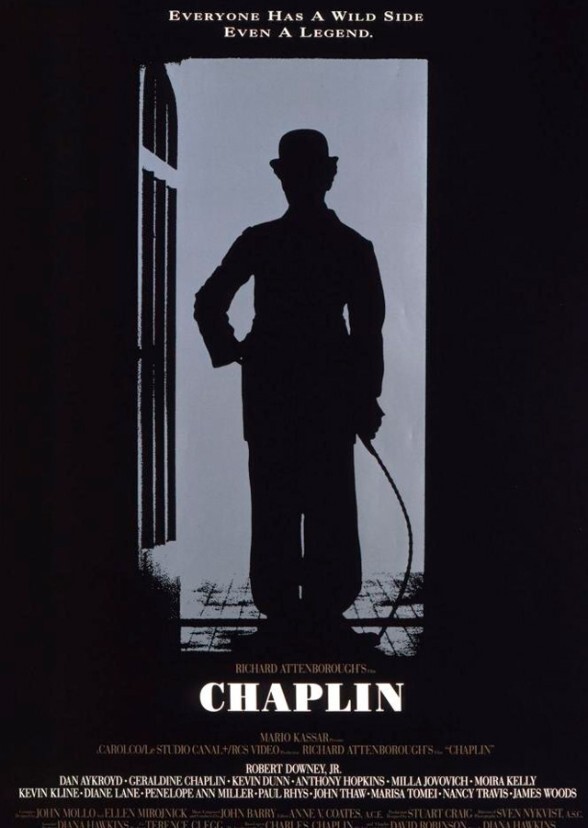
The film, "Charlie Chaplin: The Mask and The Man," is a complex, feature-length look at the tumultuous life of one of cinema's most important and controversial figures. The story begins in the harsh poverty of turn-of-the-century London, detailing his traumatic childhood shaped by the mental illness of his mother and the absence of his father, which instilled the melancholy that would fuel his greatest work. The narrative swiftly moves to his rise from the English music halls to the nascent world of Hollywood, focusing on the miraculous speed with which he invented the universally beloved character, The Tramp (Carlitos). The central conflict explores the profound tension between the Tramp’s innocent, poetic persona and Chaplin's complicated, often ruthless, private life. The film highlights his artistic genius—his meticulous control over every aspect of his films and his revolutionary shift into feature-length narratives like The Kid—while juxtaposing it with his notorious romantic relationships, his battles with the studio system, and his political activism. The climax focuses on the McCarthy era, where his political views and personal life made him a target of the American establishment, leading to his exile from the country that made him a legend. Ultimately, it is a story about the cost of genius, the tragic divide between an artist's public mask of innocence and his private reality of complexity and controversy.

