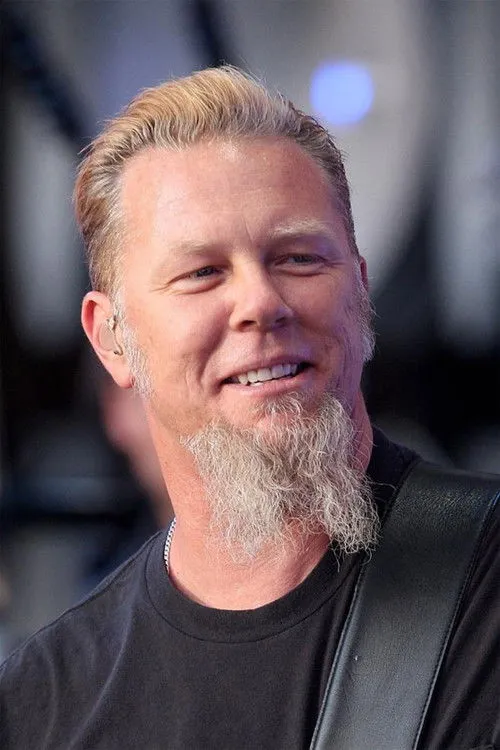
Age: 63
male
James Alan Hetfield is an American musician and songwriter best known for being the co-founder, lead vocalist/rhythm guitarist and main songwriter for the American heavy metal band Metallica. Hetfield is mainly known for his intricate rhythm playing, but occasionally performs lead guitar duties and solos, both live and in the studio. Hetfield co-founded Metallica in October 1981 after answering an advertisement by drummer Lars Ulrich in the Los Angeles newspaper The Recycler. Metallica has won nine Grammy Awards and released ten studio albums, three live albums, four extended plays and 24 singles. In 2009, Hetfield was ranked at no. 8 in Joel McIver's book The 100 Greatest Metal Guitarists and no. 24 by Hit Parader on their list of the 100 Greatest Metal Vocalists of All Time. In Guitar World's poll, Hetfield was placed as the 19th greatest guitarist of all time, as well as being placed second (along with Metallica lead guitarist Kirk Hammett) in The 100 Greatest Metal Guitarists poll of the same magazine. Rolling Stone placed Hetfield as the 87th greatest guitarist of all time. This page is based on a Wikipedia article written by contributors. Text is available under the CC BY-SA 4.0 license; additional terms may apply.
James Hetfield

Soundtrack Composer
for Soundtrack Composer in Charlemagne
Suggested by tarantinolovesfeet
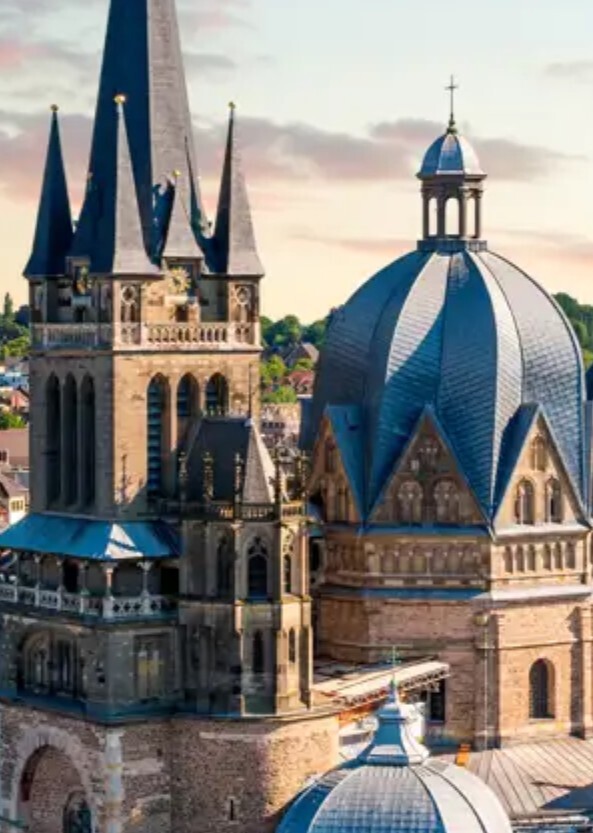
A young warlord rises from the fractured heart of Europe, driven by a conviction that unity is worth any cost. Set in the brutal uncertainty of the Early Middle Ages, Charlemagne follows a Frankish king as he expands a fragile realm through relentless conquest, political cunning, and religious devotion. As he wages war against Saxons, Lombards, and rival claimants, his empire grows—but so does the weight of what he demands from those he conquers. Forced conversions, mass executions, and the quiet erasure of older gods haunt every victory. At the center of the film is a man torn between two visions of himself: a divinely appointed protector of Christendom and a ruler who knows his empire is built on blood. Court intrigue, betrayals within his own family, and the looming authority of the Church test his control as much as the battlefield does. His coronation as Emperor is framed not as triumph, but as a moment of irreversible transformation—where ambition hardens into legacy. Charlemagne is a historical epic focused less on glory than on consequence, portraying the creation of Europe as an act of will, violence, and faith—and asking whether unity achieved through force can ever truly endure.



