Age: 81
male
Daniel Michael DeVito Jr. (born November 17, 1944) is an American actor, comedian, director, and producer. He first gained prominence as the irascible dispatcher Louie De Palma on Taxi, for which he won a Golden Globe and an Emmy. He plays Frank Reynolds on the long-running sitcom It's Always Sunny in Philadelphia (2006 - present). In film, DeVito is known for his roles in One Flew Over the Cuckoo's Nest (1975), Terms of Endearment (1983), Head Office (1985), Ruthless People (1986), Twins (1988), Batman Returns (1992), Jack the Bear (1993), Junior (1994), L.A. Confidential (1997), The Big Kahuna (1999), Big Fish (2003), Deck the Halls (2006), When in Rome (2010), Wiener-Dog (2016) and Jumanji: The Next Level (2019). DeVito has voiced characters in numerous animated films including Space Jam (1996), Hercules (1997), The Lorax (2012), Smallfoot (2018), and Migration (2023). He both directed and starred in several films such as Throw Momma from the Train (1987), The War of the Roses (1989), Matilda (1996), and Death to Smoochy (2002). He has served as a producer on notable films such as Reality Bites (1994), Pulp Fiction (1994), Gattaca (1997), Erin Brockovich (2000), and Garden State (2004). DeVito married actress Rhea Perlman in 1982; they have three children. The couple separated in 2012.

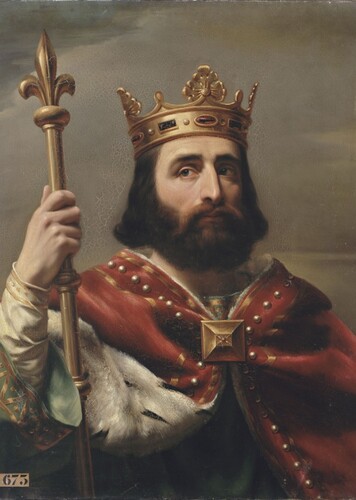
A young warlord rises from the fractured heart of Europe, driven by a conviction that unity is worth any cost. Set in the brutal uncertainty of the Early Middle Ages, Charlemagne follows a Frankish king as he expands a fragile realm through relentless conquest, political cunning, and religious devotion. As he wages war against Saxons, Lombards, and rival claimants, his empire grows—but so does the weight of what he demands from those he conquers. Forced conversions, mass executions, and the quiet erasure of older gods haunt every victory. At the center of the film is a man torn between two visions of himself: a divinely appointed protector of Christendom and a ruler who knows his empire is built on blood. Court intrigue, betrayals within his own family, and the looming authority of the Church test his control as much as the battlefield does. His coronation as Emperor is framed not as triumph, but as a moment of irreversible transformation—where ambition hardens into legacy. Charlemagne is a historical epic focused less on glory than on consequence, portraying the creation of Europe as an act of will, violence, and faith—and asking whether unity achieved through force can ever truly endure.