Died at 73
male
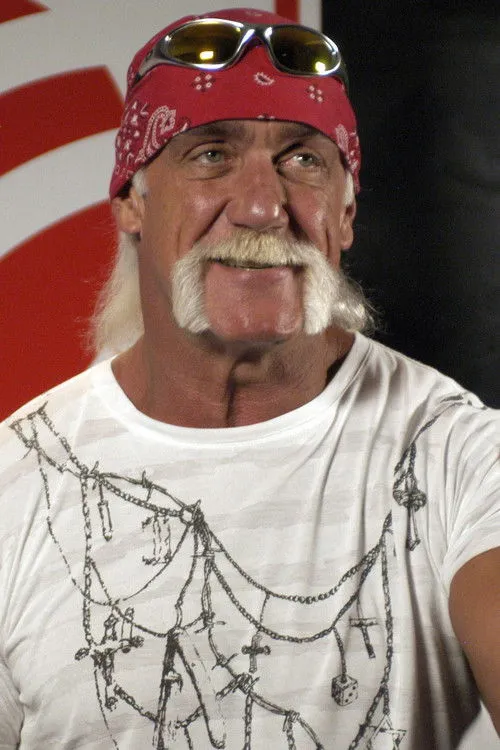
Terry Gene Bollea (August 11, 1953 – July 24, 2025), known by his ring name Hulk Hogan, was an American professional wrestler, actor, television personality, and musician best known for his time working for WWE. Hogan enjoyed mainstream popularity in the 1980s and 90s as the all-American character Hulk Hogan in WWE, and as Hollywood Hogan, the villainous leader of the New World Order, in World Championship Wrestling (WCW). Hogan was inducted into the WWE Hall of Fame in 2005. He was signed to Total Nonstop Action Wrestling (TNA) from 2010 until 2013, where he was the on-screen General Manager. He is a 12-time world champion being a six-time WWE Champion, six-time WCW World Heavyweight Champion, and a former WWE World Tag Team Champion with Edge. His six combined reigns make him the second longest-reigning WWE Champion of all time (after Bruno Sammartino) and the longest-reigning of the 1980s, having held the title for 1,474 days from 1984-1988. His six combined reigns in WCW make him the longest-reigning WCW World Heavyweight Champion of all time as well, with a 469-day reign from 1994-1995. Hogan won the Royal Rumble in 1990 and 1991, making him the first man to win two consecutive Royal Rumbles.
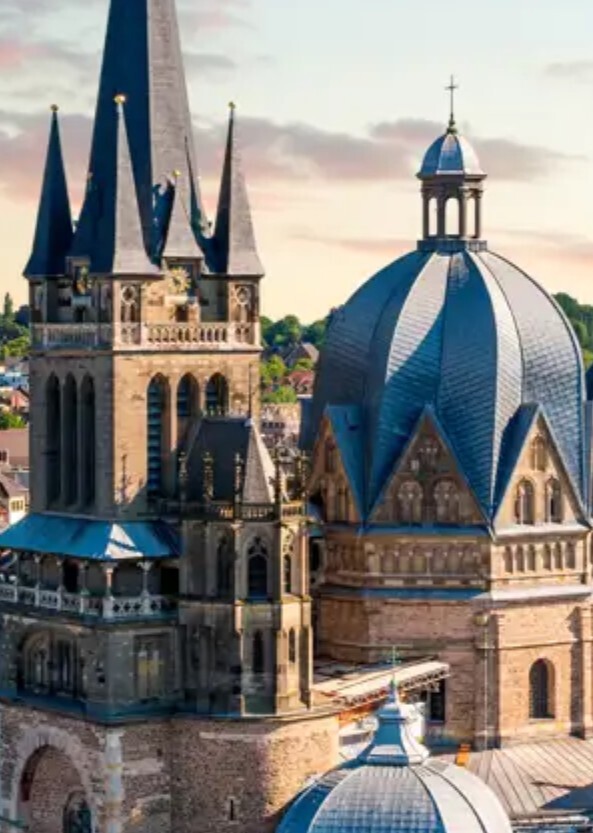
A young warlord rises from the fractured heart of Europe, driven by a conviction that unity is worth any cost. Set in the brutal uncertainty of the Early Middle Ages, Charlemagne follows a Frankish king as he expands a fragile realm through relentless conquest, political cunning, and religious devotion. As he wages war against Saxons, Lombards, and rival claimants, his empire grows—but so does the weight of what he demands from those he conquers. Forced conversions, mass executions, and the quiet erasure of older gods haunt every victory. At the center of the film is a man torn between two visions of himself: a divinely appointed protector of Christendom and a ruler who knows his empire is built on blood. Court intrigue, betrayals within his own family, and the looming authority of the Church test his control as much as the battlefield does. His coronation as Emperor is framed not as triumph, but as a moment of irreversible transformation—where ambition hardens into legacy. Charlemagne is a historical epic focused less on glory than on consequence, portraying the creation of Europe as an act of will, violence, and faith—and asking whether unity achieved through force can ever truly endure.