Age: 63
male
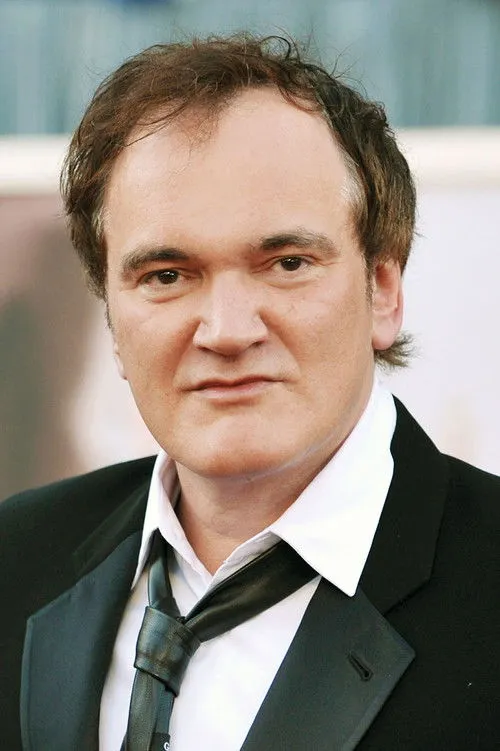
Quentin Jerome Tarantino (born March 27, 1963) is an American film director, screenwriter, producer, cinematographer and actor. In the early 1990s he was an independent filmmaker whose films used nonlinear storylines and aestheticization of violence. His films have earned him a variety of Academy Award, Golden Globe, BAFTA and Palme d'Or Awards and he has been nominated for Emmy and Grammy Awards. In 2007, Total Film named him the 12th-greatest director of all time. Tarantino was born in Knoxville, Tennessee, the son of Connie McHugh Tarantino Zastoupil, a health care executive and nurse born in Knoxville, and Tony Tarantino, an actor and amateur musician born in Queens, New York. Tarantino's mother allowed him to quit school at age 17, to attend an acting class full time. Tarantino gave up acting while attending the acting school, saying that he admired directors more than actors. Tarantino also worked in a video rental store before becoming a filmmaker, paid close attention to the types of films people liked to rent, and has cited that experience as inspiration for his directorial career. Description above from the Wikipedia article Quentin Tarantino, licensed under CC-BY-SA, full list of contributors on Wikipedia.
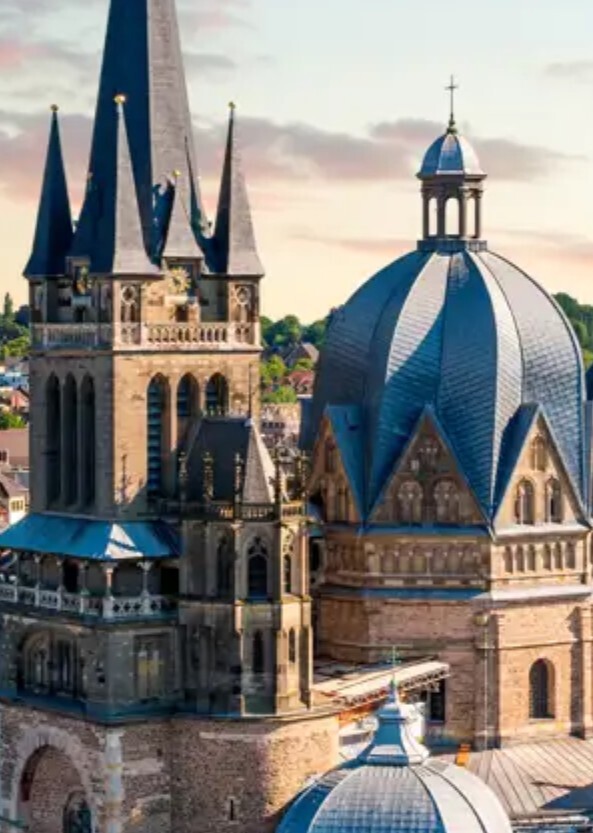
A young warlord rises from the fractured heart of Europe, driven by a conviction that unity is worth any cost. Set in the brutal uncertainty of the Early Middle Ages, Charlemagne follows a Frankish king as he expands a fragile realm through relentless conquest, political cunning, and religious devotion. As he wages war against Saxons, Lombards, and rival claimants, his empire grows—but so does the weight of what he demands from those he conquers. Forced conversions, mass executions, and the quiet erasure of older gods haunt every victory. At the center of the film is a man torn between two visions of himself: a divinely appointed protector of Christendom and a ruler who knows his empire is built on blood. Court intrigue, betrayals within his own family, and the looming authority of the Church test his control as much as the battlefield does. His coronation as Emperor is framed not as triumph, but as a moment of irreversible transformation—where ambition hardens into legacy. Charlemagne is a historical epic focused less on glory than on consequence, portraying the creation of Europe as an act of will, violence, and faith—and asking whether unity achieved through force can ever truly endure.