
Age: 59
male
Michael Giacchino (/dʒəˈkiːnoʊ/ jə-KEE-noh; Italian: [dʒakˈkiːno]; born October 10, 1967) is an American film, television, and video game score composer. He has received many accolades for his work, including an Academy Award for Up (2009), an Emmy for Lost (2004), and three Grammy Awards. Giacchino is known for his collaborations with directors J. J. Abrams, Brad Bird, Matt Reeves, Pete Docter, Colin Trevorrow, Jon Watts, Gareth Edwards, Drew Goddard, J. A. Bayona, The Wachowskis, Taika Waititi, and Thomas Bezucha. His film scores include several films from the Mission: Impossible, Jurassic World, Marvel Cinematic Universe, Star Trek reboot series, eight Pixar Animation Studios films, multiple Disney films, Rogue One, The Batman, and several other films. He also composed the score for the video game series Medal of Honour and Call of Duty and the television series Alias, Lost, and Fringe. In 2018, he ventured into directing and, in 2022, directed the Marvel Studios Disney+ special Werewolf by Night. Description above from the Wikipedia article Michael Giacchino, licensed under CC-BY-SA, full list of contributors on Wikipedia.
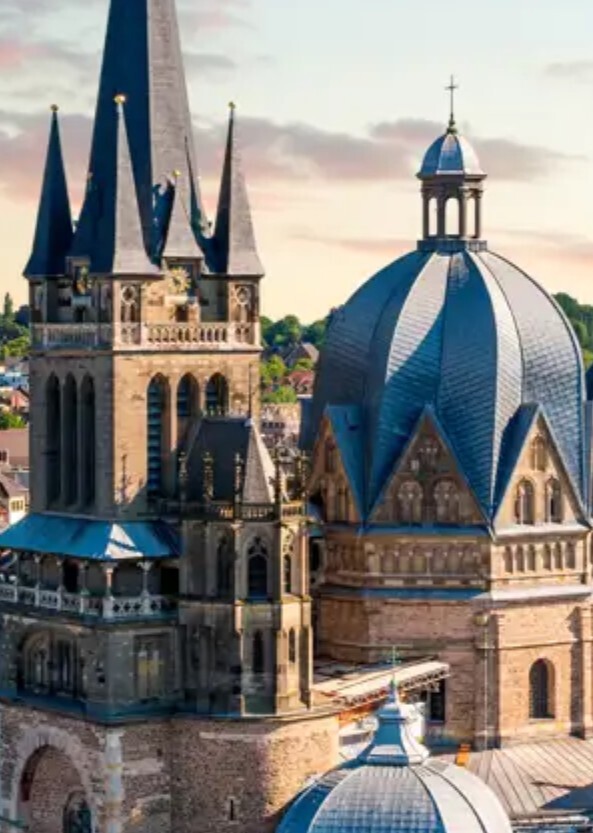
A young warlord rises from the fractured heart of Europe, driven by a conviction that unity is worth any cost. Set in the brutal uncertainty of the Early Middle Ages, Charlemagne follows a Frankish king as he expands a fragile realm through relentless conquest, political cunning, and religious devotion. As he wages war against Saxons, Lombards, and rival claimants, his empire grows—but so does the weight of what he demands from those he conquers. Forced conversions, mass executions, and the quiet erasure of older gods haunt every victory. At the center of the film is a man torn between two visions of himself: a divinely appointed protector of Christendom and a ruler who knows his empire is built on blood. Court intrigue, betrayals within his own family, and the looming authority of the Church test his control as much as the battlefield does. His coronation as Emperor is framed not as triumph, but as a moment of irreversible transformation—where ambition hardens into legacy. Charlemagne is a historical epic focused less on glory than on consequence, portraying the creation of Europe as an act of will, violence, and faith—and asking whether unity achieved through force can ever truly endure.



