Died at 94
male
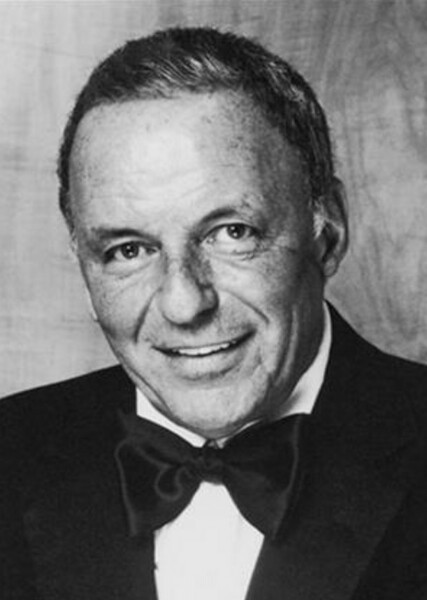
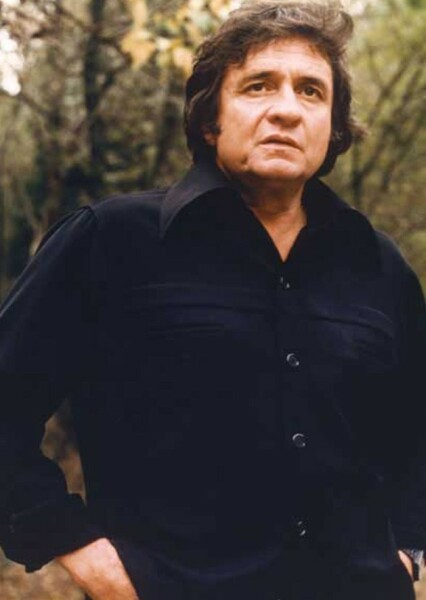
From Wikipedia, the free encyclopedia. John R. "Johnny" Cash (born J. R. Cash; February 26, 1932 – September 12, 2003) was an American singer-songwriter, actor, and author, who has been called one of the most influential musicians of the 20th century. Although he is primarily remembered as a country music artist, his songs and sound spanned many other genres including rockabilly and rock and roll—especially early in his career—as well as blues, folk, and gospel. This crossover appeal led to Cash being inducted in both the Country Music Hall of Fame and Rock and Roll Hall of Fame. Late in his career, Cash covered songs by several rock artists, among them the industrial rock band Nine Inch Nails and he covered the synthpop band Depeche Mode's Personal Jesus. Cash was known for his deep, distinctive bass-baritone voice; for the "boom-chicka-boom" freight train sound of his Tennessee Three backing band; for his rebelliousness, coupled with an increasingly somber and humble demeanor; for providing free concerts inside prison walls; and for his dark performance clothing, which earned him the nickname "The Man in Black". He traditionally started his concerts by saying, "Hello, I'm Johnny Cash." and usually following it up with his standard "Folsom Prison Blues." Much of Cash's music, especially that of his later career, echoed themes of sorrow, moral tribulation and redemption. His signature songs include "I Walk the Line", "Folsom Prison Blues", "Ring of Fire", "Get Rhythm" and "Man in Black". He also recorded humorous numbers, including "One Piece at a Time" and "A Boy Named Sue"; a duet with his future wife, June Carter, called "Jackson"; as well as railroad songs including "Hey, Porter" and "Rock Island Line". Cash, a devout but troubled Christian, has been characterized as a "lens through which to view American contradictions and challenges." A Biblical scholar, he penned a Christian novel titled Man in White, and he made a spoken word recording of the entire New King James Version of the New Testament. Even so, Cash declared that he was "the biggest sinner of them all", and viewed himself overall as a complicated and contradictory man. Accordingly, Cash is said to have "contained multitudes", and has been deemed "the philosopher-prince of American country music". Description above from the Wikipedia article Johnny Cash, licensed under CC-BY-SA, full list of contributors on Wikipedia.
Johnny Cash

Smithsonian Narrator
for Smithsonian Narrator in Captain America: The Winter Soldier {1974}
Suggested by demurelyhydrated

For Steve Rogers, awakening after decades of suspended animation involves more than catching up on pop culture; it also means that this old school idealist must face a world of subtler threats and difficult moral complexities. That becomes clear when Director Nick Fury is killed by the mysterious assassin, the Winter Soldier, but not before warning Rogers that SHIELD has been subverted by its enemies. When Rogers acts on Fury's warning to trust no one there, he is branded as a traitor by the organization. Now a fugitive, Captain America must get to the bottom of this deadly mystery with the help of the Black Widow and his new friend, The Falcon. However, the battle will be costly for the Sentinel of Liberty, with Rogers finding enemies where he least expects them while learning that the Winter Soldier looks disturbingly familiar.