Died at 118
male
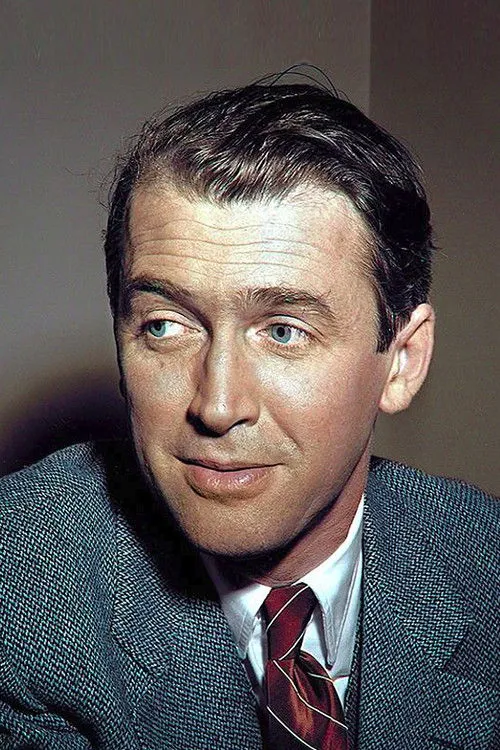
James Maitland "Jimmy" Stewart was an American film and stage actor, known for his distinctive voice and his everyman persona. Over the course of his career, he starred in many films widely considered classics and was nominated for five Academy Awards, winning one in competition and receiving one Lifetime Achievement award. He was a major MGM contract star. He also had a noted military career and was a World War II and Vietnam War veteran, who rose to the rank of Brigadier General in the United States Air Force Reserve. Throughout his seven decades in Hollywood, Stewart cultivated a versatile career and recognized screen image in such classics as Mr. Smith Goes to Washington, The Philadelphia Story, Harvey, It's a Wonderful Life, Shenandoah, Rear Window, Rope, The Man Who Knew Too Much, and Vertigo. He is the most represented leading actor on the AFI's 100 Years…100 Movies (10th Anniversary Edition) and AFI's 10 Top 10 lists. He is also the most represented leading actor on the 100 Greatest Movies of All Time list presented by Entertainment Weekly. As of 2007, ten of his films have been inducted into the United States National Film Registry. Stewart left his mark on a wide range of film genres, including westerns, suspense thrillers, family films, biographies and screwball comedies. He worked for a number of renowned directors later in his career, most notably Alfred Hitchcock, John Ford, Billy Wilder, Frank Capra, George Cukor, and Anthony Mann. He won many of the industry's highest honors and earned Lifetime Achievement awards from every major film organization. He died at age 89, leaving behind a legacy of classic performances, and is considered one of the finest actors of the "Golden Age of Hollywood". He was named the third Greatest Male Star of All Time by the American Film Institute.
James Stewart

Scott Lang
for Scott Lang in Captain America: Civil War (1956)
Suggested by lukejamesbennett
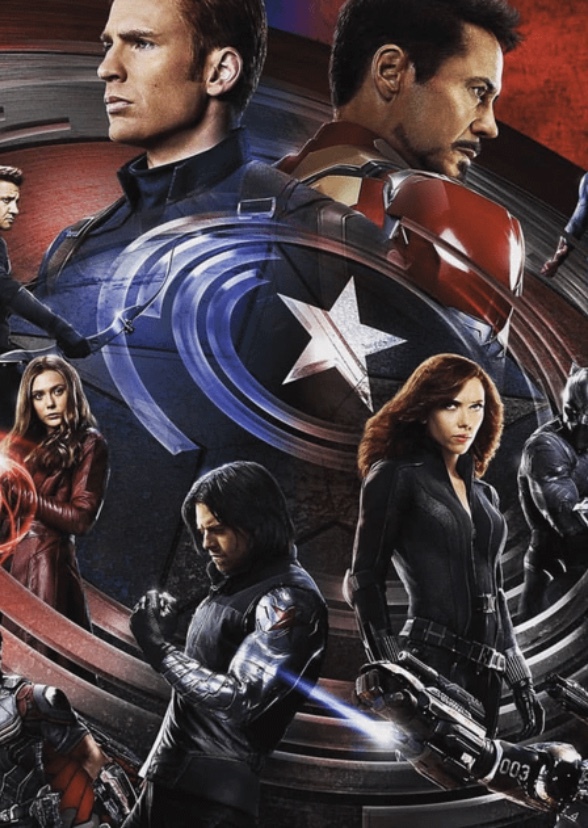
Marvel’s Captain America: Civil War finds Steve Rogers leading the newly formed team of Avengers in their continued efforts to safeguard humanity. But after another incident involving the Avengers results in collateral damage, political pressure mounts to install a system of accountability, headed by a governing body to oversee and direct the team. The new status quo fractures the Avengers, resulting in two camps—one led by Steve Rogers and his desire for the Avengers to remain free to defend humanity without government interference, and the other following Tony Stark’s surprising decision to support government oversight and accountability.

