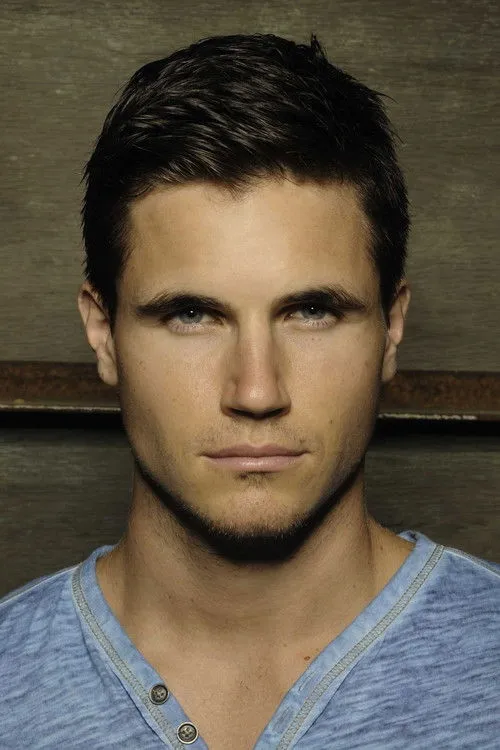
Age: 38
male
Robert Patrick Amell IV (born April 21, 1988) is a Canadian-American actor and producer. He is best known for his roles as Stephen Jameson on The CW series The Tomorrow People (2013–2014), Ronnie Raymond / Firestorm on The CW series The Flash (2014–2017, 2022), and Nathan Brown in the Prime Video series Upload (2020–). Other roles include Fred Jones in the films Scooby-Doo! The Mystery Begins (2009) and Scooby-Doo! Curse of the Lake Monster (2010), The Hunters as Paxton Flynn (2013), The DUFF as Wesley Rush (2015), The Babysitter as Max (2017), and the science fiction film Code 8 as Connor Reed (2019); the latter of which also starred his cousin, Stephen Amell. He also appeared on television shows such as Life with Derek (2006–2008), True Jackson, VP (2008–2011), Unnatural History (2010), and Revenge (2011–2012). Description above from the Wikipedia article Robbie Amell, licensed under CC-BY-SA, full list of contributors on Wikipedia.
Robbie Amell

James Holloway
for James Holloway in Canvas — The Reckoning
Suggested by mr95

Season three begins with Madison as a mid-card wrestler again, her championship lost, her reputation complicated by rumors about her mental health and reliability. She is living in a studio apartment, working a part-time job outside wrestling, and in intensive therapy. Dr. Mitchell is helping her understand what happened: that she was groomed and exploited, that she was not complicit in her own abuse but rather victimized by it. Keisha, who never left despite Madison's toxicity, becomes the foundation of her rebuilding. Together with Sarah Chen (the journalist) and James Holloway, Madison begins to piece together a larger pattern: Victor's exploitation isn't isolated or unique. He's one of many. The business is structured to protect predators and blame victims. Madison makes the terrifying decision to become a whistleblower. She gives her story to the journalists, knowing it will destroy her career in professional wrestling. The season follows the public fallout: the other wrestlers she worked with must choose whether to support her or protect their own positions, the company tries to discredit her, other victims come forward. By the series finale, Madison has lost wrestling but gained something more important: her autonomy back. She's not the woman who dreamed of being a champion — that dream has been revealed as hollow. But she's building something more real: a life defined by her own choices rather than others' exploitation. The final image is Madison, a year later, working as a trainer for young wrestlers, this time with the explicit commitment to protect them from the predatory systems she experienced.

