
Age: 66
male
Samuel Marshall Raimi (/ˈreɪmi/ RAY-mee; born October 23, 1959) is an American filmmaker. He is best known for writing and directing the Evil Dead trilogy (1981–1992) and directing the Spider-Man trilogy (2002–2007). He also directed Darkman (1990), The Quick and the Dead (1995), A Simple Plan (1998), The Gift (2000), Drag Me to Hell (2009), Oz the Great and Powerful (2013), and Doctor Strange in the Multiverse of Madness (2022). His films are known for their highly dynamic visual style, inspired by comic books and slapstick comedy. He founded the production companies Renaissance Pictures in 1979 and Ghost House Pictures in 2002. Raimi has also produced several successful television series, including Hercules: The Legendary Journeys (1995–1997), its spin-off Xena: Warrior Princess (1995–2001), and Ash vs Evil Dead (2015–2018) starring longtime friend and collaborator Bruce Campbell, reprising his role in the Evil Dead franchise. Description above from the Wikipedia article Sam Raimi, licensed under CC-BY-SA, full list of contributors on Wikipedia.
Sam Raimi

Director
for Director in Canada: A Mysterious Story
Suggested by theryanreynoldsfan
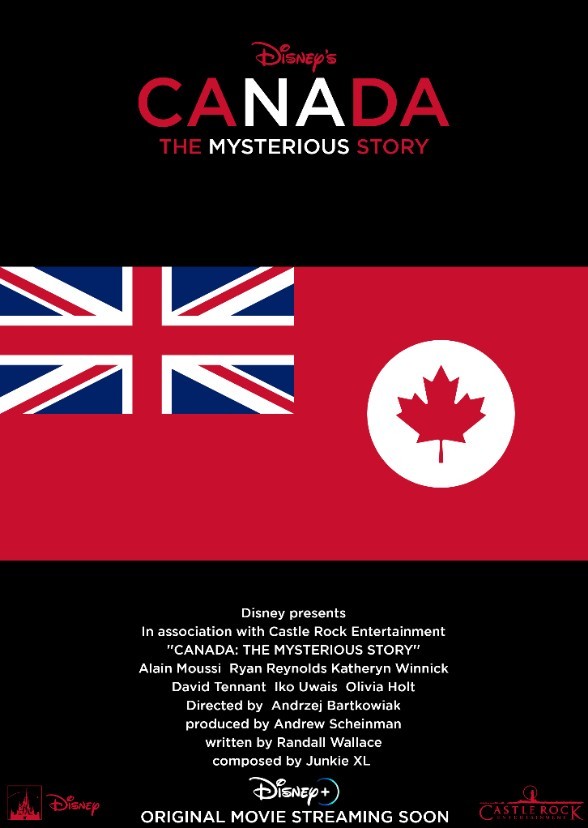
Prior to European colonization, the lands encompassing present-day Canada were inhabited for millennia by Indigenous peoples, with distinct trade networks, spiritual beliefs, and styles of social organization. Some of these older civilizations had long faded by the time of the first European arrivals and have been discovered through archeological investigations. From the late 15th century, French and British expeditions explored, colonized, and fought over various places within North America in what constitutes present-day Canada. The colony of New France was claimed in 1534 with permanent settlements beginning in 1608. France ceded nearly all its North American possessions to the United Kingdom in 1763 at the Treaty of Paris after the Seven Years' War. The now British Province of Quebec was divided into Upper and Lower Canada in 1791. The two provinces were united as the Province of Canada by the Act of Union 1840, which came into force in 1841. In 1867, the Province of Canada was joined with two other British colonies of New Brunswick and Nova Scotia through Confederation, forming a self-governing entity. "Canada" was adopted as the legal name of the new country and the word "Dominion" was conferred as the country's title. Over the next eighty-two years, Canada expanded by incorporating other parts of British North America, finishing with Newfoundland and Labrador in 1949.

