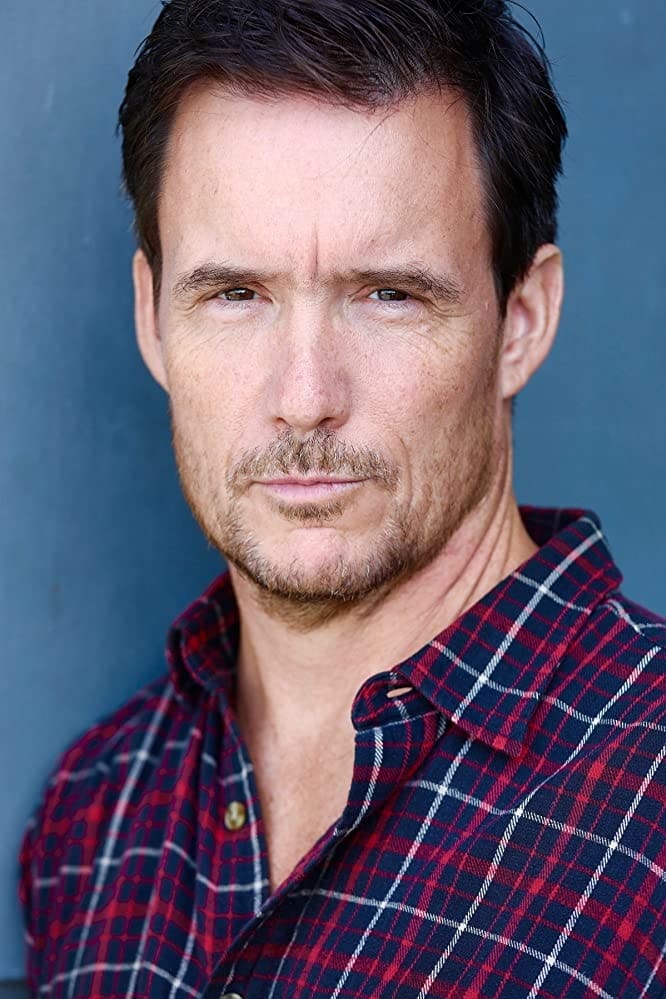
Age: 56
male
William Emerson Arnett (/ɑːrˈnɛt/; born May 4, 1970) is a Canadian and American actor and comedian. He is widely known for his roles as Gob Bluth in the Fox/Netflix sitcom Arrested Development (2003–2006, 2013, 2018–2019) and the titular character in the Netflix animated series BoJack Horseman (2014–2020). He has received nominations for seven Primetime Emmy Awards and three Screen Actors Guild Awards. Arnett was Emmy-nominated for his recurring role as Devon Banks in the NBC sitcom 30 Rock (2007–2013). He starred in the NBC sitcom Up All Night (2011–2012), the CBS sitcom The Millers (2013–2014), and the Netflix mystery series Murderville. He has also starred, co-created, and executive produced the Fox sitcom Running Wilde (2010–2011) and the Netflix comedy-drama series Flaked (2016–2017). Arnett has acted in films such as Let's Go to Prison (2006), Blades of Glory (2007), Semi-Pro (2008), G-Force (2009), and Teenage Mutant Ninja Turtles (2014). Known for his deep baritone voice, Arnett also took roles in Danny Phantom (2004–2007), Ice Age: The Meltdown (2006), Ratatouille (2007), Horton Hears a Who! (2008), Monsters vs. Aliens (2009), Despicable Me (2010), The Nut Job film franchise (2014–2017), The Lego Movie franchise (2014–2019), Teen Titans Go! To the Movies (2018), Chip 'n Dale: Rescue Rangers (2022), and Twisted Metal (2023–). Arnett has been Primetime Emmy Award-nominated for Arrested Development, 30 Rock, and BoJack Horseman. Since 2020, he has hosted the Fox reality series Lego Masters. Arnett began co-hosting the comedy podcast SmartLess (2020–) alongside Sean Hayes and Jason Bateman. Description above from the Wikipedia article Will Arnett, licensed under CC-BY-SA, full list of contributors on Wikipedia.
Will Arnett

British soldier and officer
for British soldier and officer in Canada: A Mysterious Story
Suggested by danicaharper
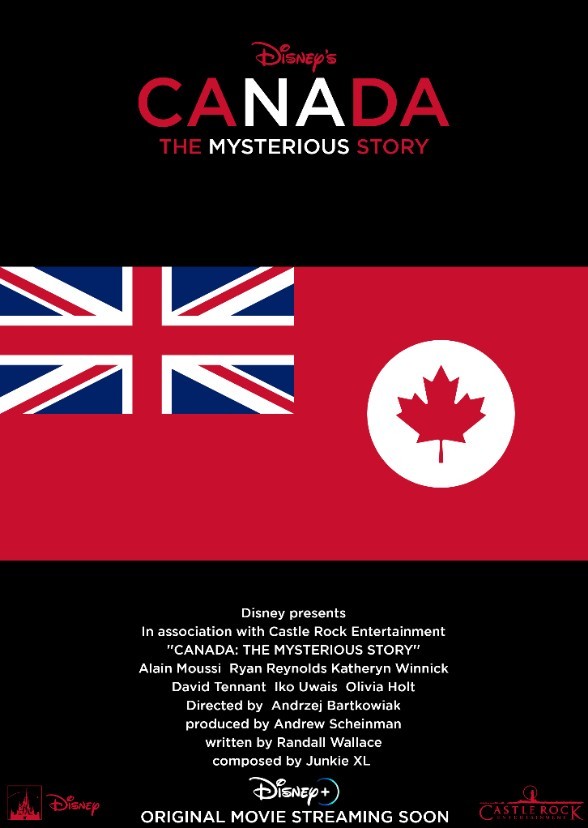
Prior to European colonization, the lands encompassing present-day Canada were inhabited for millennia by Indigenous peoples, with distinct trade networks, spiritual beliefs, and styles of social organization. Some of these older civilizations had long faded by the time of the first European arrivals and have been discovered through archeological investigations. From the late 15th century, French and British expeditions explored, colonized, and fought over various places within North America in what constitutes present-day Canada. The colony of New France was claimed in 1534 with permanent settlements beginning in 1608. France ceded nearly all its North American possessions to the United Kingdom in 1763 at the Treaty of Paris after the Seven Years' War. The now British Province of Quebec was divided into Upper and Lower Canada in 1791. The two provinces were united as the Province of Canada by the Act of Union 1840, which came into force in 1841. In 1867, the Province of Canada was joined with two other British colonies of New Brunswick and Nova Scotia through Confederation, forming a self-governing entity. "Canada" was adopted as the legal name of the new country and the word "Dominion" was conferred as the country's title. Over the next eighty-two years, Canada expanded by incorporating other parts of British North America, finishing with Newfoundland and Labrador in 1949.