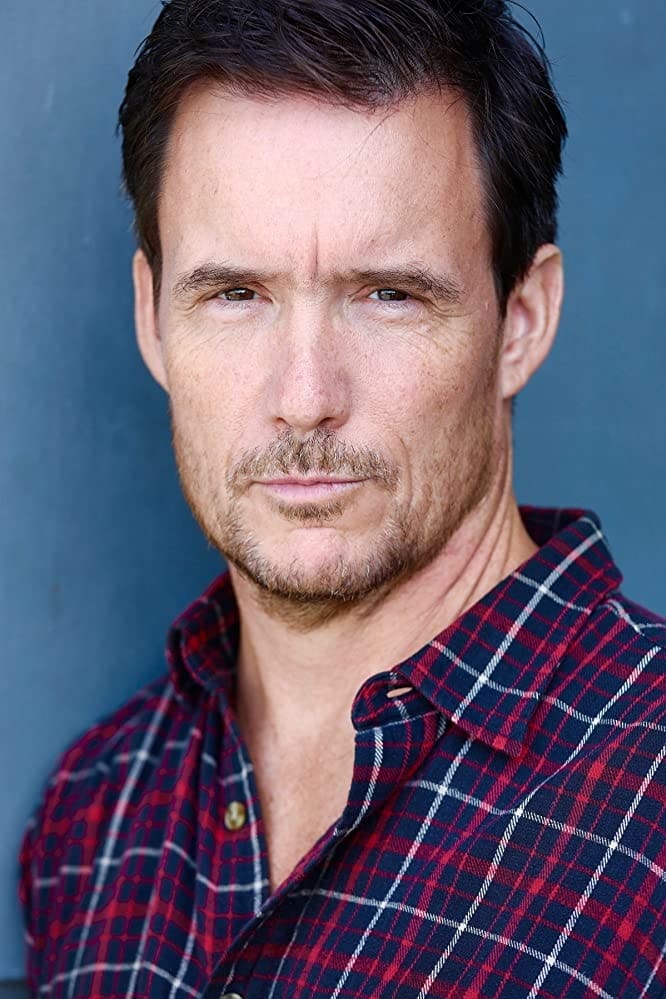
Age: 63
male
Michael John Myers, OC (born May 25, 1963) is a Canadian actor, comedian, and filmmaker. His accolades include seven MTV Movie & TV Awards, a Primetime Emmy Award, and a Screen Actors Guild Award. In 2002, he was awarded the Hollywood Walk of Fame star. In 2017, he was named an Officer of the Order of Canada for "his extensive and acclaimed body of comedic work as an actor, writer, and producer." Following a series of appearances on several Canadian television programs, Mike Myers attained recognition during his six seasons as a cast member on the NBC sketch comedy series Saturday Night Live from 1989 to 1995, which won him the Primetime Emmy Award for Outstanding Writing for a Variety Series. He subsequently earned praise and numerous accolades for playing the title roles in the Wayne's World (1992–1993), Austin Powers (1997–2002), and Shrek (2001–present) franchises, the latter of which is the second highest-grossing animated film franchise. Myers also played the titular character in the 2003 live-action adaptation of the Dr. Seussbook The Cat in the Hat. Myers acted sporadically in the 2010s, having supporting roles in Terminal and Bohemian Rhapsody (both 2018). He made his directorial debut with the documentary Supermensch: The Legend of Shep Gordon (2013), which premiered at the Toronto International Film Festival. He created and starred in the 2022 Netflix original series, The Pentaverate, and appeared in David O. Russell's comedy thriller Amsterdam.
Mike Myers

British soldier and officer
for British soldier and officer in Canada: A Mysterious Story
Suggested by danicaharper
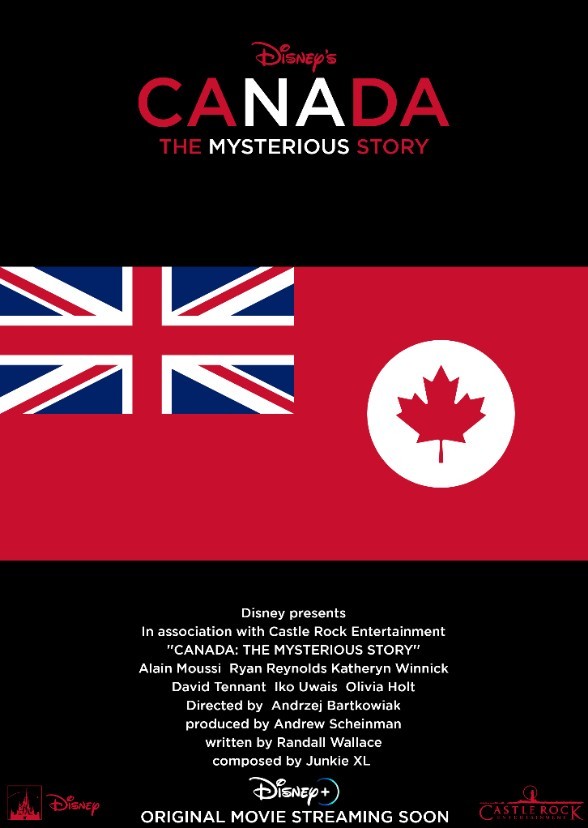
Prior to European colonization, the lands encompassing present-day Canada were inhabited for millennia by Indigenous peoples, with distinct trade networks, spiritual beliefs, and styles of social organization. Some of these older civilizations had long faded by the time of the first European arrivals and have been discovered through archeological investigations. From the late 15th century, French and British expeditions explored, colonized, and fought over various places within North America in what constitutes present-day Canada. The colony of New France was claimed in 1534 with permanent settlements beginning in 1608. France ceded nearly all its North American possessions to the United Kingdom in 1763 at the Treaty of Paris after the Seven Years' War. The now British Province of Quebec was divided into Upper and Lower Canada in 1791. The two provinces were united as the Province of Canada by the Act of Union 1840, which came into force in 1841. In 1867, the Province of Canada was joined with two other British colonies of New Brunswick and Nova Scotia through Confederation, forming a self-governing entity. "Canada" was adopted as the legal name of the new country and the word "Dominion" was conferred as the country's title. Over the next eighty-two years, Canada expanded by incorporating other parts of British North America, finishing with Newfoundland and Labrador in 1949.