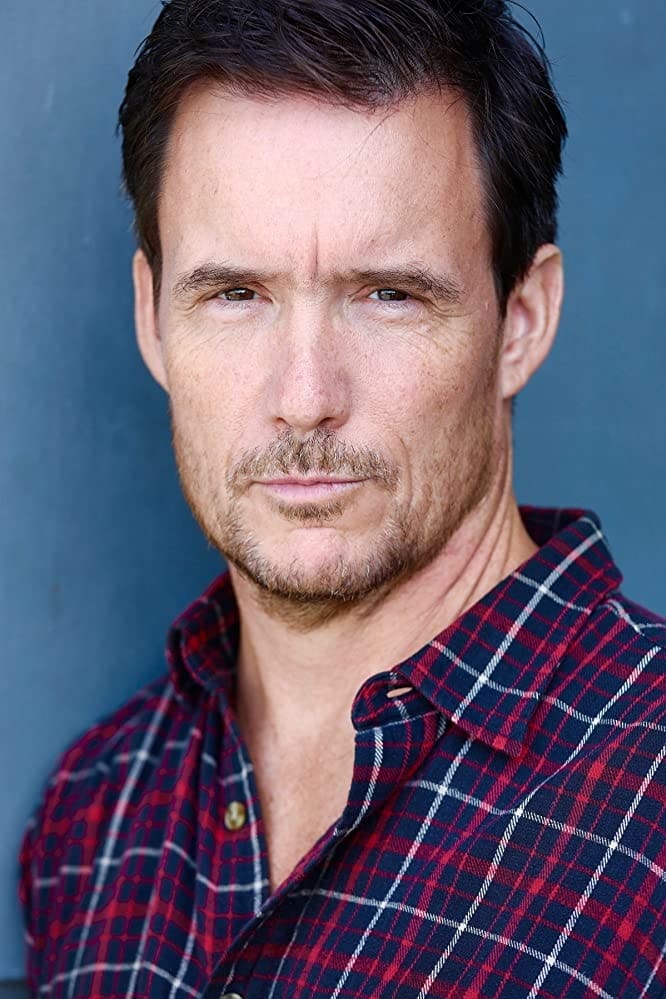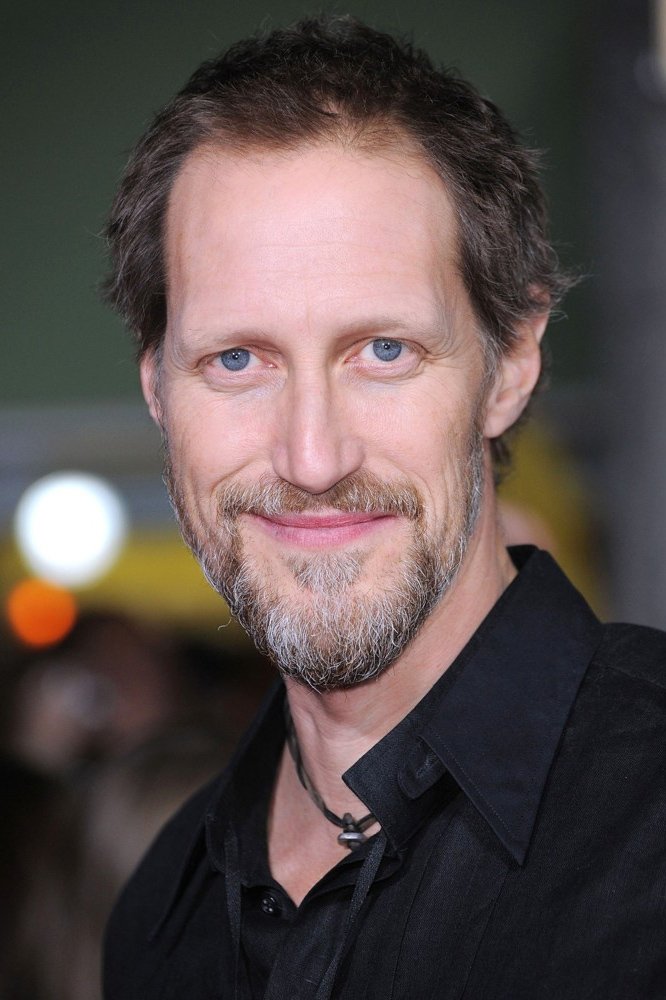
Age: 62
male
Christopher Heyerdahl (born September 18, 1963) is a Canadian actor who portrayed Alastair in Supernatural, the Wraith Todd in Stargate Atlantis, Sam in Van Helsing, "Swede" in Hell on Wheels, and Marcus in The Twilight Saga. Heyerdahl was born in British Columbia, and is of Norwegian and Scottish descent. His father emigrated from Norway to Canada in the 1950s. Thor Heyerdahl was his father's cousin. Heyerdahl also speaks Norwegian and studied at the University of Oslo. Heyerdahl is primarily known for his recurring role as the enigmatic and sinister "Swede" in AMC's Hell on Wheels. This post-American Civil War drama debuted as the second highest rated original series in AMC history. He is also known for his role as Leonid in the Are You Afraid of the Dark? episode "The Thirteenth Floor" and as Nosferatu in the episode "Midnight Madness". He played the characters Halling and Wraith commander Todd in Stargate Atlantis, and Pallan in the Stargate SG-1 episode "Revisions".He played H. P. Lovecraft in the film Out of Mind: The Stories of H. P. Lovecraft (1998) and a punk, new at drug dealing, in Cadavres (2009). He played the part of the demon Alastair in three episodes of Supernatural. He also played the part of Zor-El in the television series Smallville, as well as playing John Druitt and Bigfoot in the series Sanctuary. He played the part of Dieter Braun on True Blood during the show's 5th season. His most notable film role was in the feature film New Moon, an adaptation of Stephenie Meyer's second book in her Twilight Saga. In this film, he played a vampire, Marcus, who is part of a powerful Italian family called the Volturi. He reprised that role in both parts of Breaking Dawn, the two-part adaptation of the fourth book in the Twilight Saga. He has also performed on stage and was a member of the Young Company at the Stratford Festival in 1989 and 1990.
Christopher Heyerdahl

British soldier and officer
for British soldier and officer in Canada: A Mysterious Story
Suggested by danicaharper
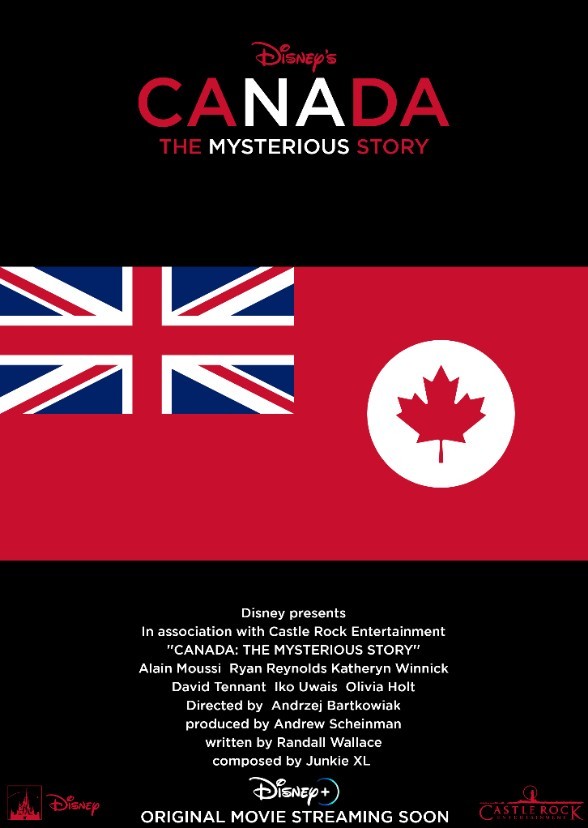
Prior to European colonization, the lands encompassing present-day Canada were inhabited for millennia by Indigenous peoples, with distinct trade networks, spiritual beliefs, and styles of social organization. Some of these older civilizations had long faded by the time of the first European arrivals and have been discovered through archeological investigations. From the late 15th century, French and British expeditions explored, colonized, and fought over various places within North America in what constitutes present-day Canada. The colony of New France was claimed in 1534 with permanent settlements beginning in 1608. France ceded nearly all its North American possessions to the United Kingdom in 1763 at the Treaty of Paris after the Seven Years' War. The now British Province of Quebec was divided into Upper and Lower Canada in 1791. The two provinces were united as the Province of Canada by the Act of Union 1840, which came into force in 1841. In 1867, the Province of Canada was joined with two other British colonies of New Brunswick and Nova Scotia through Confederation, forming a self-governing entity. "Canada" was adopted as the legal name of the new country and the word "Dominion" was conferred as the country's title. Over the next eighty-two years, Canada expanded by incorporating other parts of British North America, finishing with Newfoundland and Labrador in 1949.