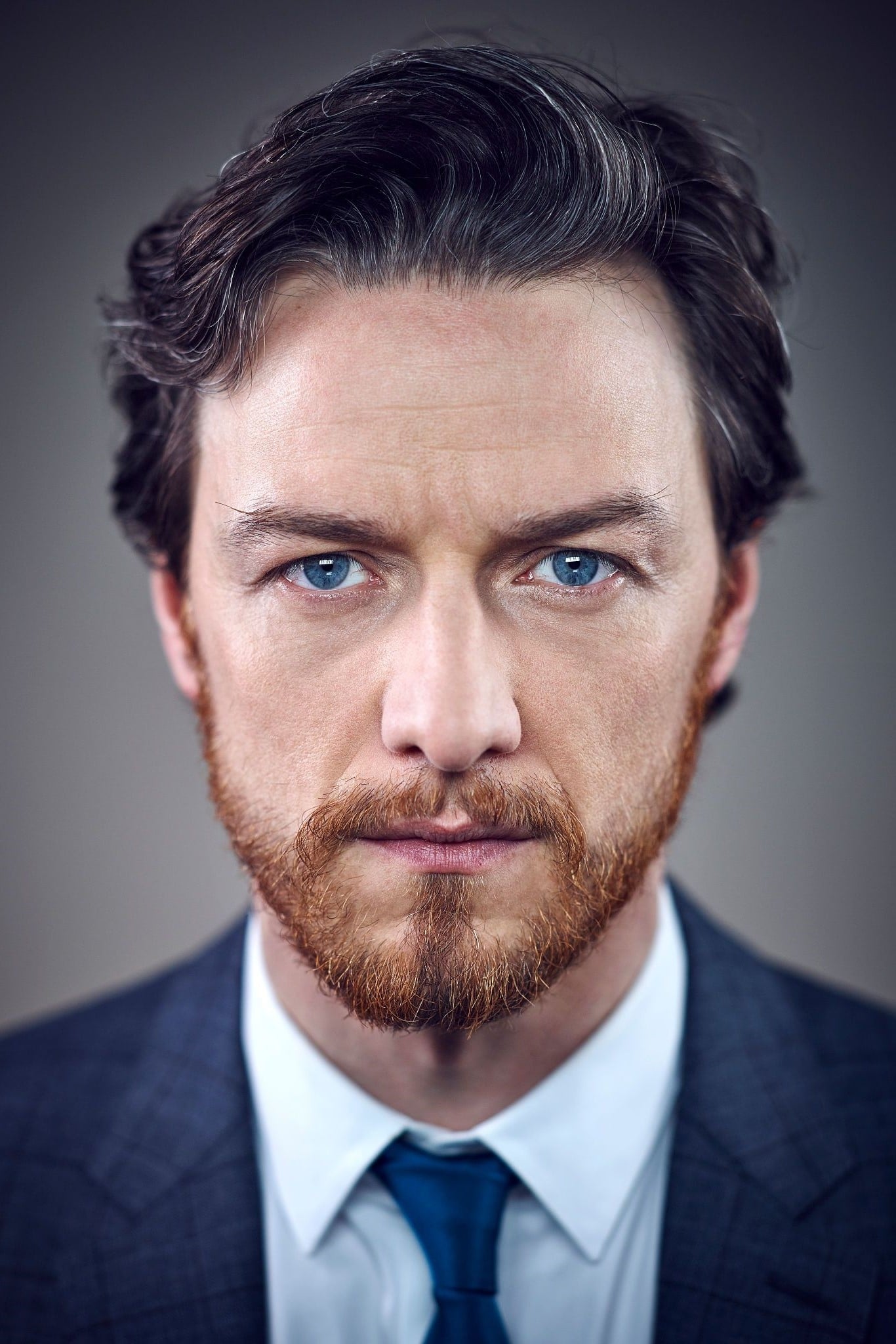
Age: 47
male
James McAvoy (born April 21, 1979) is a Scottish actor. He made his acting debut as a teen in The Near Room (1995) and appeared mostly on television until 2003, when his feature film career began. His notable television work includes the thriller State of Play, science fiction miniseries Frank Herbert's Children of Dune and the channel 4s BAFTA award-winning series Shameless (British TV series) He has performed in several West End productions and has received four nominations for the Laurence Olivier Award for Best Actor, and has also done voice work for animated films including Gnomeo & Juliet, its sequel Sherlock Gnomes, and Arthur Christmas. In 2003, McAvoy appeared in a lead role in Bollywood Queen, then in another lead role as Rory in Inside I'm Dancing in 2004. This was followed by a supporting role, as the faun Mr. Tumnus, in The Chronicles of Narnia: The Lion, the Witch and the Wardrobe (2005). His performance in Kevin Macdonald's drama The Last King of Scotland (2006) garnered him several award nominations, including the BAFTA Award for Best Supporting Actor. The critically acclaimed romantic drama war film Atonement (2007) earned him a Golden Globe Award nomination and his second BAFTA nomination. He later appeared as a newly trained assassin in the action thriller Wanted (2008). In 2011, McAvoy portrayed Professor Charles Xavier in the superhero film X-Men: First Class, a role he reprised in X-Men: Days of Future Past (2014), X-Men: Apocalypse (2016), Deadpool 2 (2018), and Dark Phoenix (2019). McAvoy starred in the crime comedy-drama film Filth (2013), for which he won Best Actor in the British Independent Film Awards. In 2016, he portrayed Kevin Wendell Crumb, a man with 23 alternate personalities, in M. Night Shyamalan's Split, for which he received critical acclaim, and later reprised the role for the sequel Glass (2019). Since 2019, he has portrayed Lord Asriel Belacqua in the BBC/HBO fantasy series His Dark Materials.
James McAvoy

British commander
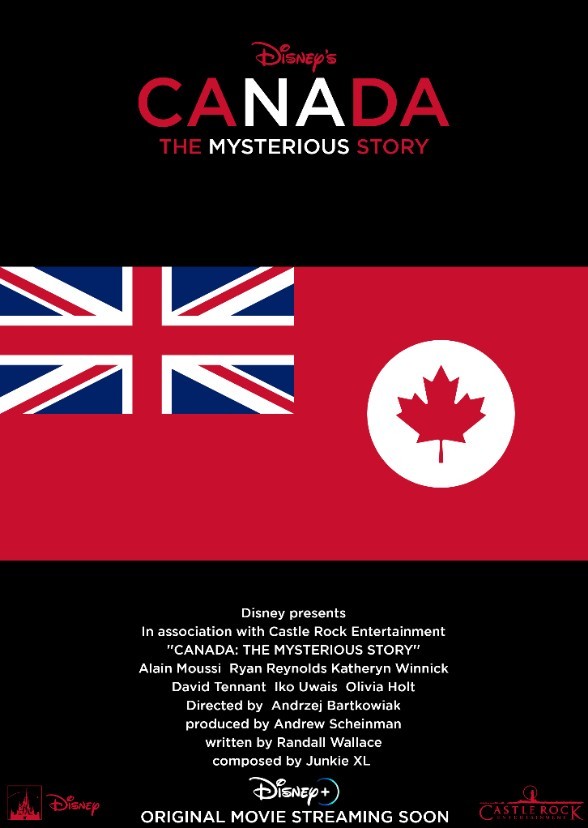
for British commander in Canada: A Mysterious Story
Suggested by danicaharper
Prior to European colonization, the lands encompassing present-day Canada were inhabited for millennia by Indigenous peoples, with distinct trade networks, spiritual beliefs, and styles of social organization. Some of these older civilizations had long faded by the time of the first European arrivals and have been discovered through archeological investigations. From the late 15th century, French and British expeditions explored, colonized, and fought over various places within North America in what constitutes present-day Canada. The colony of New France was claimed in 1534 with permanent settlements beginning in 1608. France ceded nearly all its North American possessions to the United Kingdom in 1763 at the Treaty of Paris after the Seven Years' War. The now British Province of Quebec was divided into Upper and Lower Canada in 1791. The two provinces were united as the Province of Canada by the Act of Union 1840, which came into force in 1841. In 1867, the Province of Canada was joined with two other British colonies of New Brunswick and Nova Scotia through Confederation, forming a self-governing entity. "Canada" was adopted as the legal name of the new country and the word "Dominion" was conferred as the country's title. Over the next eighty-two years, Canada expanded by incorporating other parts of British North America, finishing with Newfoundland and Labrador in 1949.




