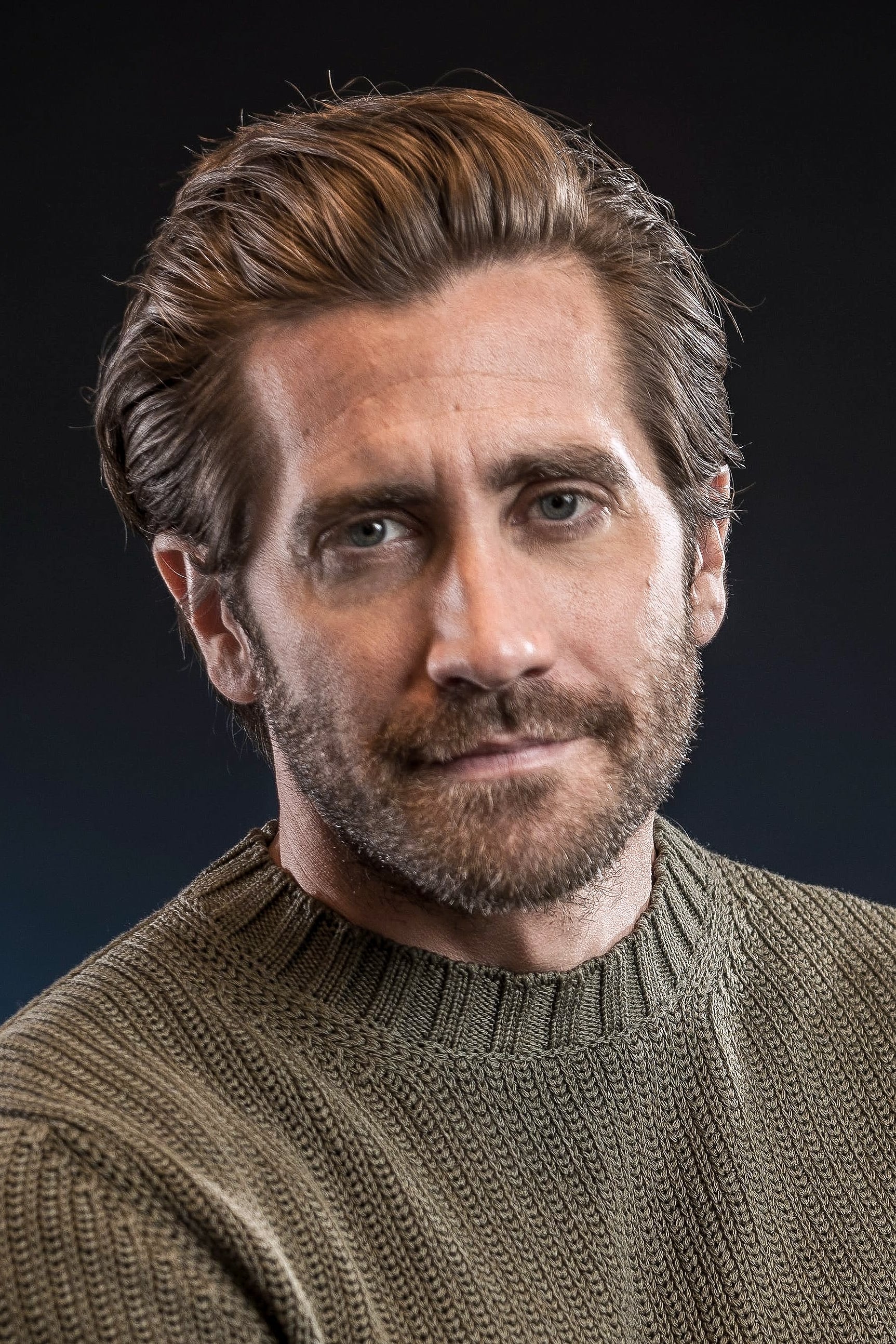
Age: 45
male
Jake Gyllenhaal (born December 19, 1980) is an American actor and producer. Born into the Gyllenhaal family, he is the son of director Stephen Gyllenhaal and screenwriter Naomi Foner; his older sister is actress Maggie Gyllenhaal. He began acting as a child, making his acting debut in City Slickers (1991), followed by roles in his father's films A Dangerous Woman (1993) and Homegrown (1998). His breakthrough roles were as Homer Hickam in October Sky (1999) and as a psychologically troubled teenager in Donnie Darko (2001). In 2004, Gyllenhaal starred in the science fiction disaster film The Day After Tomorrow. In 2005, he played Jack Twist in Ang Lee's romantic drama Brokeback Mountain, for which Gyllenhaal won a BAFTA Award and was nominated for an Academy Award. His career progressed with starring roles in the thriller Zodiac (2007), the romantic comedy Love & Other Drugs (2010), and the science fiction film Source Code (2011). Further acclaim came with his roles in Denis Villeneuve's thrillers Prisoners (2013) and Enemy (2013), and he received nominations for the BAFTA Award for Best Actor in a Leading Role for his performances as a manipulative journalist in Nightcrawler (2014) and a troubled writer in Nocturnal Animals (2016). His highest-grossing release came with the Marvel Cinematic Universe superhero film Spider-Man: Far From Home (2019), in which he portrayed Quentin Beck / Mysterio. Gyllenhaal has also performed on stage, starring in Broadway productions of the musical Sunday in the Park with George as well as the plays Constellations and Sea Wall/A Life, the lattermost of which earned him a Tony Award nomination. Aside from acting, he is vocal about political and social issues. Description above from the Wikipedia article Jake Gyllenhaal, licensed under CC-BY-SA, full list of contributors on Wikipedia.
Jake Gyllenhaal

British commander
for British commander in Canada: A Mysterious Story
Suggested by danicaharper
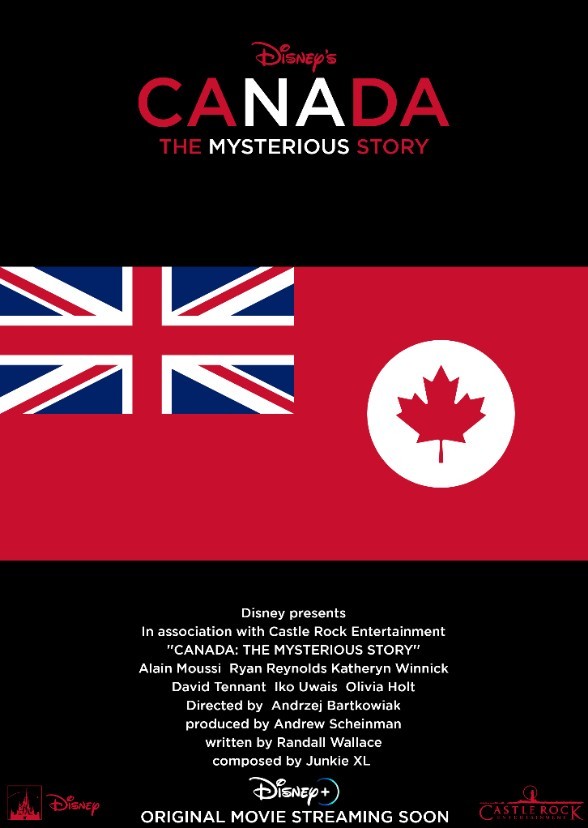
Prior to European colonization, the lands encompassing present-day Canada were inhabited for millennia by Indigenous peoples, with distinct trade networks, spiritual beliefs, and styles of social organization. Some of these older civilizations had long faded by the time of the first European arrivals and have been discovered through archeological investigations. From the late 15th century, French and British expeditions explored, colonized, and fought over various places within North America in what constitutes present-day Canada. The colony of New France was claimed in 1534 with permanent settlements beginning in 1608. France ceded nearly all its North American possessions to the United Kingdom in 1763 at the Treaty of Paris after the Seven Years' War. The now British Province of Quebec was divided into Upper and Lower Canada in 1791. The two provinces were united as the Province of Canada by the Act of Union 1840, which came into force in 1841. In 1867, the Province of Canada was joined with two other British colonies of New Brunswick and Nova Scotia through Confederation, forming a self-governing entity. "Canada" was adopted as the legal name of the new country and the word "Dominion" was conferred as the country's title. Over the next eighty-two years, Canada expanded by incorporating other parts of British North America, finishing with Newfoundland and Labrador in 1949.




