Age: 64
female
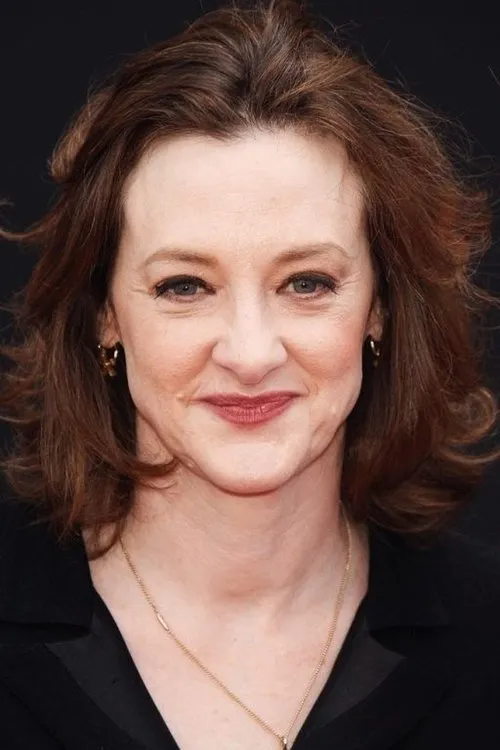
Joanna "Joan" Mary Cusack (/ˈkjuːsæk/ KEW-sak; born October 11, 1962) is an American actress. An acclaimed character actress known for her distinctive voice and offbeat comedic timing, her portrayals of neurotic, endearing characters have earned her numerous accolades, including nominations for two Academy Awards and five Primetime Emmy Awards, winning once in 2015. Cusack received nominations for the Academy Award for Best Supporting Actress for her roles in the comedy-drama Working Girl (1988) and the romantic comedy In & Out (1997). Her other starring roles include those in Toys (1992), Addams Family Values (1993), Nine Months (1995), Cradle Will Rock (1999), Where the Heart Is (2000), Looney Tunes: Back in Action (2003), School of Rock (2003), and Kit Kittredge: An American Girl (2008). She has also provided the voice of Jessie in the Toy Story franchise (1999–present), for which she won an Annie Award, and Abby Mallard in Chicken Little (2005). Cusack was a cast member on the comedy sketch show Saturday Night Live from 1985 to 1986. She starred on the Showtime hit drama comedy series Shameless (2011–2015) as Sheila Jackson, a role for which she received five consecutive Primetime Emmy Award nominations, winning for the first time in 2015. She is the sister of actress Ann Cusack and actor John Cusack. Description above from the Wikipedia article Joan Cusack, licensed under CC-BY-SA, full list of contributors on Wikipedia.
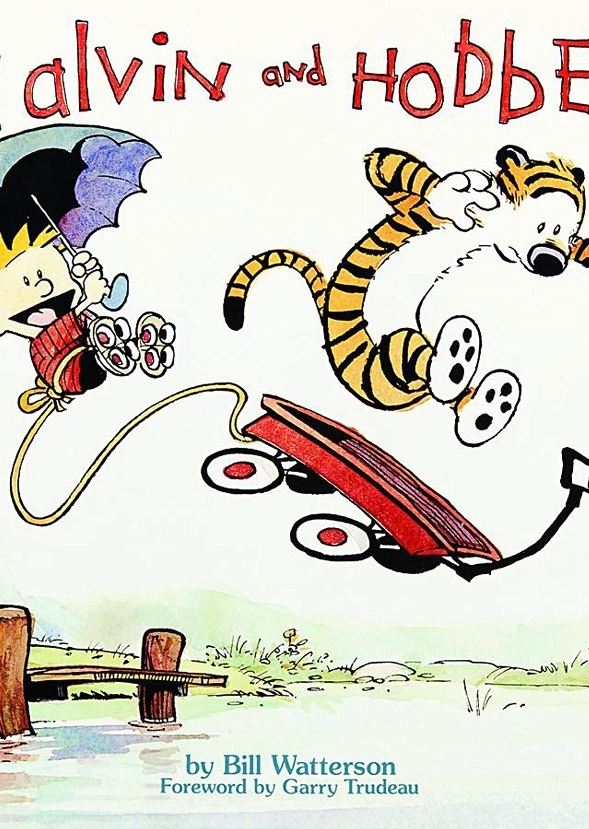
Calvin and Hobbes follows the humorous antics of the title characters: Calvin, a mischievous and adventurous six-year-old boy; and his friend Hobbes, a sardonic tiger. Set in the suburban United States of the 1980s and 1990s, the strip depicts Calvin's frequent flights of fancy and friendship with Hobbes. It also examines Calvin's relationships with his long-suffering parents and with his classmates, especially his neighbor Susie Derkins. Hobbes's dual nature is a defining motif for the strip: to Calvin, Hobbes is a living anthropomorphic tiger, while all the other characters seem to see Hobbes as an inanimate stuffed toy, though Watterson has not clarified exactly how Hobbes is perceived by others, or whether he is real or an imaginary friend. Though the series does not frequently mention specific political figures or ongoing events, it does explore broad issues like environmentalism, public education, and philosophical quandaries.