Age: 52
male
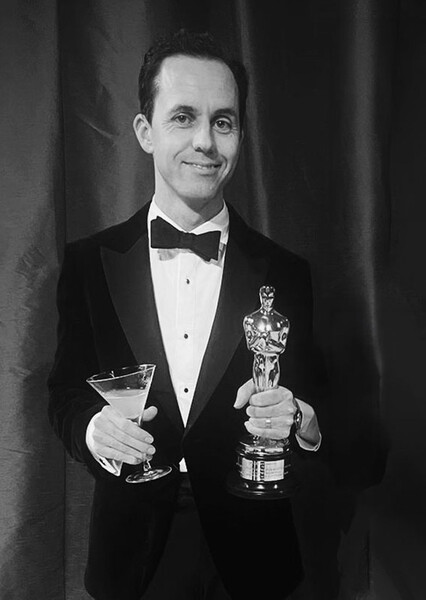
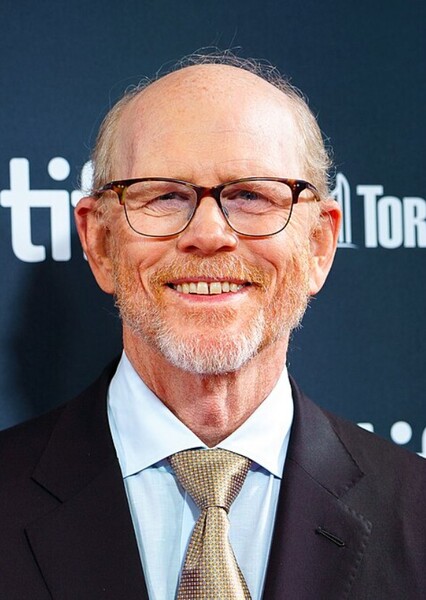
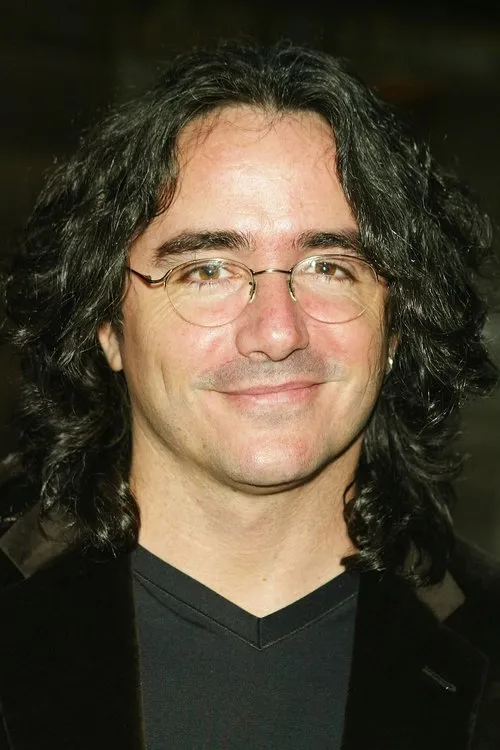
Edgar Howard Wright (born 18 April 1974) is an English filmmaker. He is known for his fast-paced and kinetic, satirical genre films, which feature extensive utilisation of expressive popular music, Steadicam tracking shots, dolly zooms and a signature editing style that includes transitions, whip pans and wipes. He first made independent short films before making his first feature film, A Fistful of Fingers, in 1995. Wright created and directed the comedy series Asylum in 1996, written with David Walliams. After directing several other television shows, Wright directed the sitcom Spaced (1999–2001), which aired for two series and starred frequent collaborators Simon Pegg and Nick Frost. In 2004, Wright directed the zombie comedy Shaun of the Dead, starring Pegg and Frost, the first film in Wright's Three Flavours Cornetto trilogy. The film was co-written with Pegg—as were the next two entries in the trilogy, the buddy cop film Hot Fuzz (2007) and the science fiction comedy The World's End (2013). In 2010, Wright co-wrote and directed the action comedy film Scott Pilgrim vs. the World, an adaptation of the graphic novel series. Along with Joe Cornish and Steven Moffat, he adapted The Adventures of Tintin (2011) for Steven Spielberg. Wright and Cornish co-wrote the screenplay for the Marvel Cinematic Universe film Ant-Man in 2015, which Wright intended to direct but abandoned, citing creative differences. He has also written and directed the action film Baby Driver (2017), the documentary The Sparks Brothers, and the psychological horror film Last Night in Soho (both 2021).
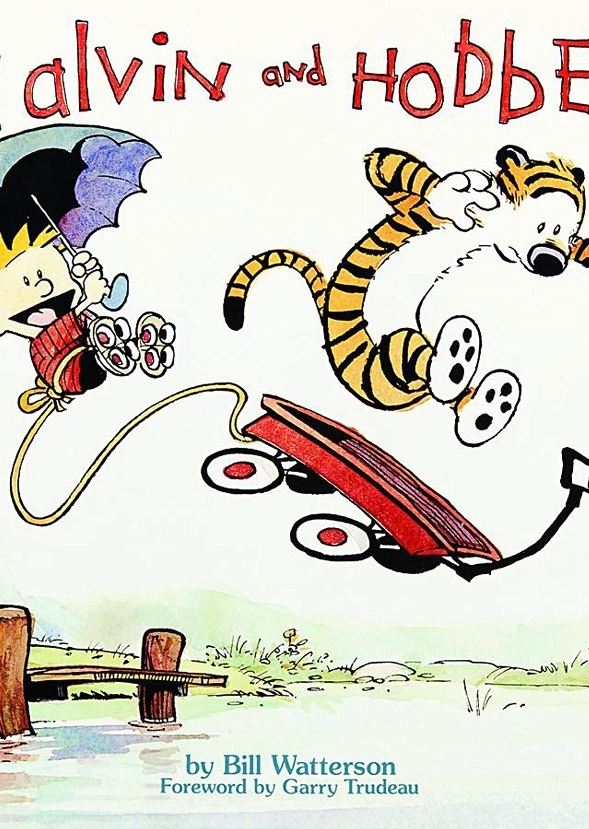
Calvin and Hobbes follows the humorous antics of the title characters: Calvin, a mischievous and adventurous six-year-old boy; and his friend Hobbes, a sardonic tiger. Set in the suburban United States of the 1980s and 1990s, the strip depicts Calvin's frequent flights of fancy and friendship with Hobbes. It also examines Calvin's relationships with his long-suffering parents and with his classmates, especially his neighbor Susie Derkins. Hobbes's dual nature is a defining motif for the strip: to Calvin, Hobbes is a living anthropomorphic tiger, while all the other characters seem to see Hobbes as an inanimate stuffed toy, though Watterson has not clarified exactly how Hobbes is perceived by others, or whether he is real or an imaginary friend. Though the series does not frequently mention specific political figures or ongoing events, it does explore broad issues like environmentalism, public education, and philosophical quandaries.