
Age: 63
male
Alejandro González Iñárritu is a Mexican filmmaker. He is primarily known for making modern psychological drama films about the human condition. His projects have garnered critical acclaim and numerous accolades, including five Academy Awards, Special Achievement Awards, Golden Globe Awards, BAFTA Awards, and Directors Guild of America Awards. His most notable films include Amores Perros (2000), 21 Grams (2003), Babel (2006), Biutiful (2010), Birdman (2014), The Revenant (2015), and Bardo (2022). Amores Perros (2000), and Biutiful (2010) each received nominations for the Academy Award for Best International Feature Film. He earned critical and commercial success for his films 21 Grams(2003) and Babel (2006). For Birdman (2014), he won three Academy Awards for Best Picture, Best Director, and Best Original Screenplay. The following year, he was awarded Best Director for The Revenant (2015), making him the third director to win back-to-back after John Ford and Joseph L. Mankiewicz. Iñárritu was later awarded a Special Achievement Academy Award for his virtual reality installation Carne y Arena (2017). Iñárritu became the first Mexican filmmaker to be nominated as director or producer in the Academy Awards' history and the first to win for Best Original Screenplay and Best Picture. He was the first Mexican filmmaker to receive the Best Director Award at Cannes, and the first to win a DGA Award for Outstanding Directing. In 2019, Iñárritu became the first Latin American to serve as jury president for the 72nd Cannes Film Festival. Iñárritu and Mexican filmmakers Alfonso Cuarón and Guillermo del Toro are known in the film industry as "The Three Amigos." Description above from the Wikipedia article Alejandro González Iñárritu, licensed under CC-BY-SA, full list of contributors on Wikipedia.
Alejandro González Iñárritu

Director
for Director in Butcher's Crossing
Suggested by bliksemmcspeed
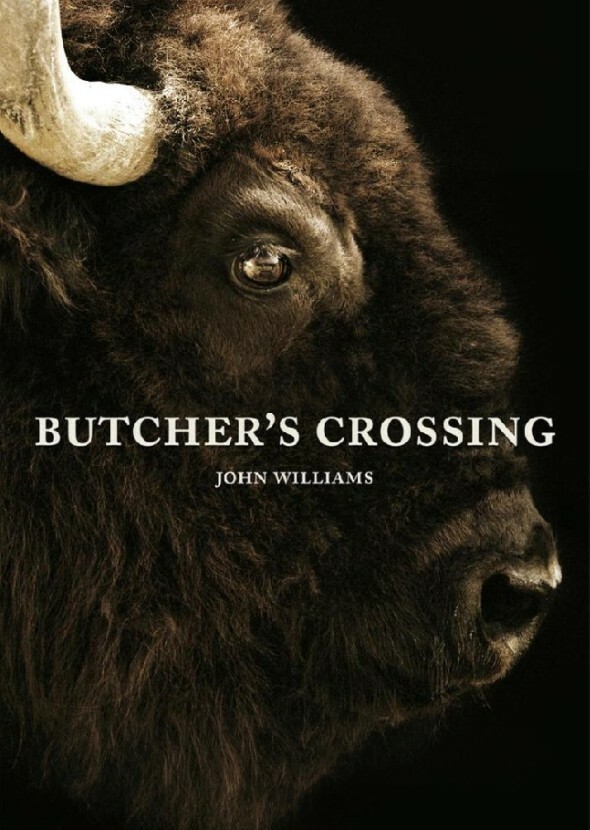
In the 1870s, Will Andrews, a young Harvard student from Boston, leaves his scholarly life behind in search of adventure. He travels to the fictional frontier town of Butcher’s Crossing, Kansas, which thrives on the buffalo hide trade. Will is captivated by the romanticism of going on a buffalo hunt and seeks out McDonald, a former acquaintance of his father’s who runs the buffalo trade in the town. When McDonald refuses to help, Will joins forces with Miller, an intense and experienced buffalo hunter. Miller spins a tale of a remote Colorado pass where one of the last massive buffalo herds can be found. Despite warnings about Miller’s reputation and the risks involved, Will invests all his money to fund the expedition. The journey to the mountain pass is grueling, and Will, unaccustomed to such hardships, faces physical and mental challenges. Along the way, they encounter difficulties that test their resolve. Eventually, they reach the untouched herd of thousands of buffalo, and Will is both ecstatic and awed by the beautiful nature surrounding them. Butcher’s Crossing explores themes of adventure, wilderness, and the human spirit against the backdrop of the American West. The novel, originally published in 1960, delves into the complexities of human desire and the pursuit of something greater than oneself.

