Age: 65
male
Aaron Benjamin Sorkin (born June 9, 1961) is an American screenwriter, playwright and film director. Born in New York City, he developed a passion for writing early on. As a writer for stage, television, and film, Sorkin is recognised for his trademark fast-paced dialogue and extended monologues, complemented by frequent use of the "walk and talk" storytelling technique. Sorkin has earned numerous accolades, including an Academy Award, a BAFTA Award, five Primetime Emmy Awards, and three Golden Globes. Sorkin rose to prominence as a writer-creator and showrunner of the television series Sports Night (1998–2000), The West Wing (1999–2006), Studio 60 on the Sunset Strip (2006–07), and The Newsroom (2012–14). He is also known for his work on Broadway, including the plays A Few Good Men (1989), The Farnsworth Invention (2007), To Kill a Mockingbird (2018), and the revival of Lerner and Loewe's musical Camelot (2023). He wrote the film screenplays for A Few Good Men (1992), The American President (1995), and several biopics, including Charlie Wilson's War (2007), Moneyball (2011), and Steve Jobs (2015). For writing The Social Network (2010), he won the Academy Award for Best Adapted Screenplay. He made his directorial film debut with Molly's Game (2017), followed by The Trial of the Chicago 7 (2020) and Being the Ricardos (2021). Description above from the Wikipedia article Aaron Sorkin, licensed under CC-BY-SA, full list of contributors on Wikipedia.
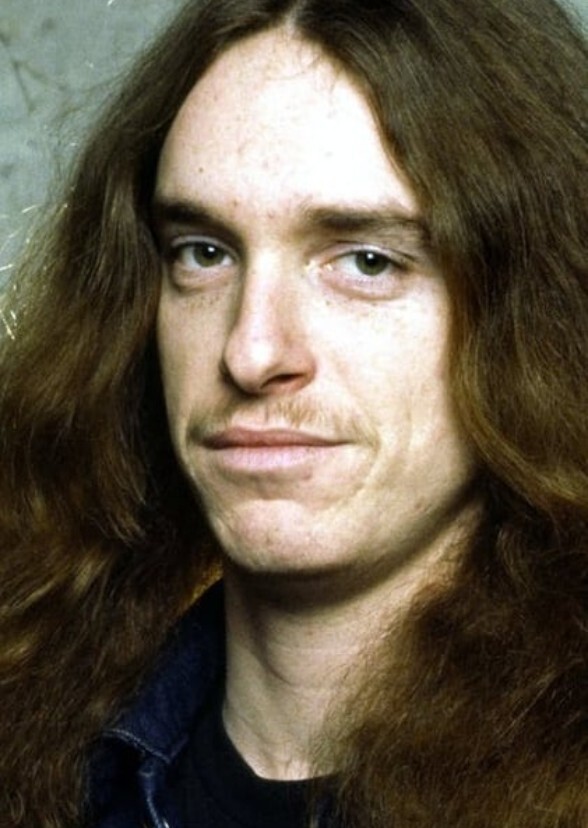
In a world where metal was defined by raw energy and rebellion, Cliff Burton was the soul. Burton: The Echo of Thunder takes us through the journey of the legendary bassist of Metallica, from his humble beginnings in California to his rise as one of the most influential musicians in rock history. This biopic explores Cliff’s unique character—a blend of humility, intellectual curiosity, and musical genius. It delves into his early years, the formation of Metallica, and the uncompromising artistry that earned him the role of the band's creative cornerstone. We see his battle with the mainstream music industry, his unwavering commitment to pushing the boundaries of metal, and his partnership with James Hetfield, Lars Ulrich, and Kirk Hammett as they navigated both their rise to fame and their turbulent relationships. But Burton’s journey is not just about the music. As a deeply philosophical and passionate individual, Cliff’s struggles with identity, his love of literature and classical music, and his search for meaning beyond the stage provide depth to his character. We explore the tension between his artistic vision and the demands of fame, giving audiences a raw look at a man who was far more than a rock star—he was a visionary.